


As a seasoned supplier of gravure rollers, I've witnessed firsthand the intricate relationship between the angle of the cells on a gravure roller and ink transfer. This relationship is not only a fundamental aspect of the gravure printing process but also a critical factor that can significantly impact the quality and efficiency of printing operations. In this blog, I'll delve into the science behind how the cell angle affects ink transfer, drawing on my years of experience in the industry.
Understanding Gravure Printing and Cell Structure
Gravure printing is a high - quality printing process widely used in packaging, labels, and other applications. At the heart of this process is the gravure roller, which is engraved with tiny cells that hold the ink. These cells come in various shapes, sizes, and angles, and each characteristic plays a crucial role in determining how the ink is transferred onto the substrate.
The cells on a gravure roller are typically engraved using a laser or a mechanical engraving process. The angle of the cells refers to the slope of the cell walls relative to the surface of the roller. This angle can vary depending on the specific requirements of the printing job, such as the type of ink, the substrate material, and the desired print quality.
Impact of Cell Angle on Ink Release
One of the primary ways the cell angle affects ink transfer is through its influence on ink release. When the gravure roller comes into contact with the substrate, the ink needs to be released from the cells onto the surface. A well - designed cell angle can facilitate this process.
A steeper cell angle generally allows for better ink release. When the cell walls are at a steeper angle, the ink is more likely to flow out of the cells due to the reduced surface tension and the force exerted by the pressure between the roller and the substrate. This results in a more efficient transfer of ink onto the substrate, leading to sharper and more vibrant prints.
On the other hand, a shallower cell angle may cause the ink to cling to the cell walls, making it more difficult for the ink to be released. This can result in incomplete ink transfer, leading to areas of the print that are lighter or have inconsistent color density.
Influence on Ink Volume and Coverage
The cell angle also has a significant impact on the amount of ink that can be held in the cells and, consequently, the ink coverage on the substrate. A steeper cell angle can accommodate more ink within the cells. This is because the steeper walls provide more space for the ink to accumulate. As a result, a roller with steeper cell angles can deliver a higher volume of ink to the substrate, which is beneficial for achieving solid color areas and high - density prints.
Conversely, a shallower cell angle may limit the ink volume that the cells can hold. This can be suitable for applications where a lighter ink coverage is desired, such as in some types of fine - line printing or when using a more viscous ink.
Compatibility with Different Inks
Different types of inks have different viscosities and flow properties. The cell angle of the gravure roller needs to be carefully selected to ensure compatibility with the ink being used.
For low - viscosity inks, a steeper cell angle may be more appropriate. These inks flow more easily, and a steeper angle helps to prevent the ink from draining out of the cells prematurely. In contrast, high - viscosity inks may require a shallower cell angle. The shallower angle provides more resistance to the flow of the ink, allowing it to be held in the cells until it is transferred to the substrate.
Substrate Considerations
The type of substrate also plays a role in determining the optimal cell angle. Porous substrates, such as paper, can absorb ink more readily. In this case, a steeper cell angle can help to ensure that enough ink is transferred to achieve the desired print quality. Non - porous substrates, like plastic films, may require a different approach. A shallower cell angle may be more suitable to prevent the ink from spreading too much on the smooth surface of the substrate.
Real - World Applications and Examples
In the packaging industry, where high - quality prints are essential, the choice of cell angle is crucial. For example, when printing on flexible packaging materials, a steeper cell angle can be used to ensure that the ink is transferred evenly and that the colors are vibrant. This is especially important for products that are displayed on store shelves, where the packaging needs to attract consumers' attention.
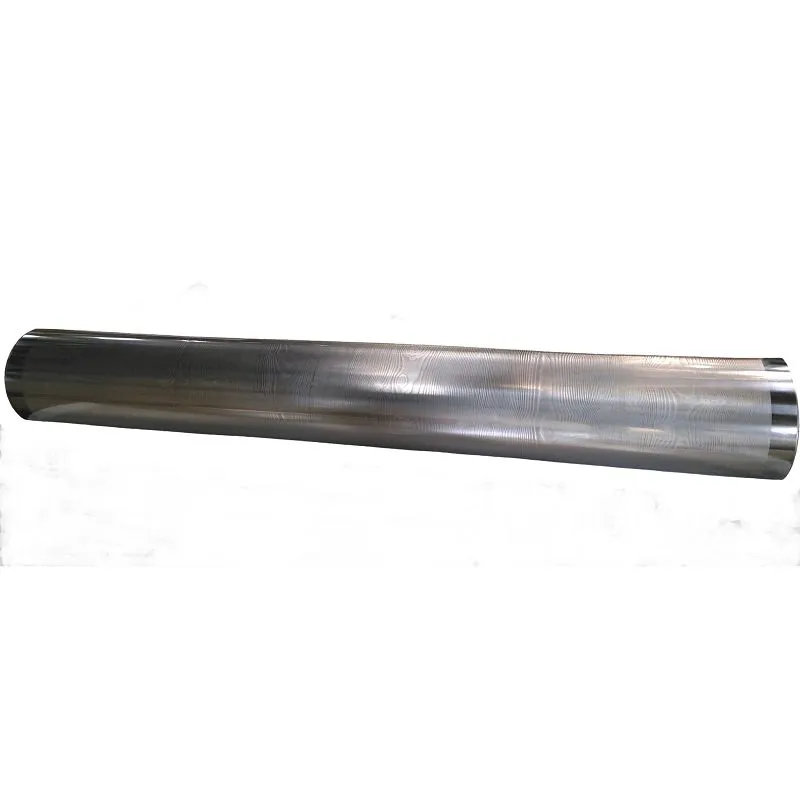
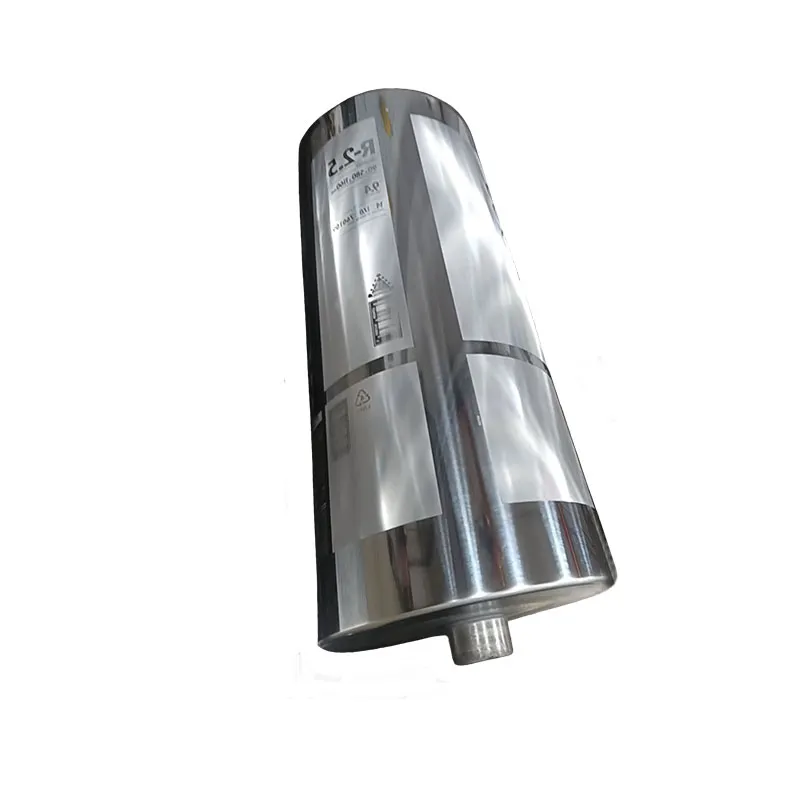
In the case of Packaging Gravure Roller, the cell angle is carefully engineered to meet the specific requirements of packaging printing. These rollers are designed to provide consistent ink transfer, resulting in high - quality prints that enhance the visual appeal of the packaging.
Another example is the Wooden Gravure Printing Roller. Wooden rollers are often used in specialty printing applications. The cell angle on these rollers is adjusted to work in harmony with the unique properties of the wooden surface and the type of ink used. This ensures that the ink is transferred effectively, even on the relatively porous and uneven surface of the wood.
Conclusion and Call to Action
In conclusion, the angle of the cells on a gravure roller has a profound impact on ink transfer. It affects ink release, ink volume, compatibility with different inks, and the overall print quality. As a gravure roller supplier, we understand the importance of selecting the right cell angle for each printing job. Our team of experts is dedicated to providing customized solutions that meet the specific needs of our customers.
If you're in the market for high - quality gravure rollers, we invite you to contact us to discuss your requirements. Whether you're involved in packaging, labels, or other printing applications, we have the expertise and the technology to deliver the perfect solution for your business. Let's work together to achieve outstanding print results.
References
- Smith, J. (2018). Gravure Printing Technology. Printing Press Publications.
- Johnson, A. (2020). Advances in Gravure Roller Design and Ink Transfer. Journal of Printing Science.
- Brown, C. (2019). The Impact of Cell Geometry on Gravure Printing Performance. Packaging Research Journal.