


As a supplier of Printing Chrome Anilox Rollers, I've witnessed firsthand the crucial role these rollers play in the printing industry. One of the most significant aspects that printers and manufacturers are concerned about is the ink transfer efficiency of these rollers and how it changes over time. In this blog, I'll delve into the factors that influence the ink transfer efficiency of Printing Chrome Anilox Rollers and discuss the long - term trends.
Understanding Ink Transfer Efficiency
Ink transfer efficiency refers to the ability of a Printing Chrome Anilox Roller to pick up ink from the ink fountain and transfer it accurately to the printing substrate. It is a measure of how well the roller can deliver the right amount of ink in the right place. High ink transfer efficiency ensures sharp, clear prints with consistent color quality.
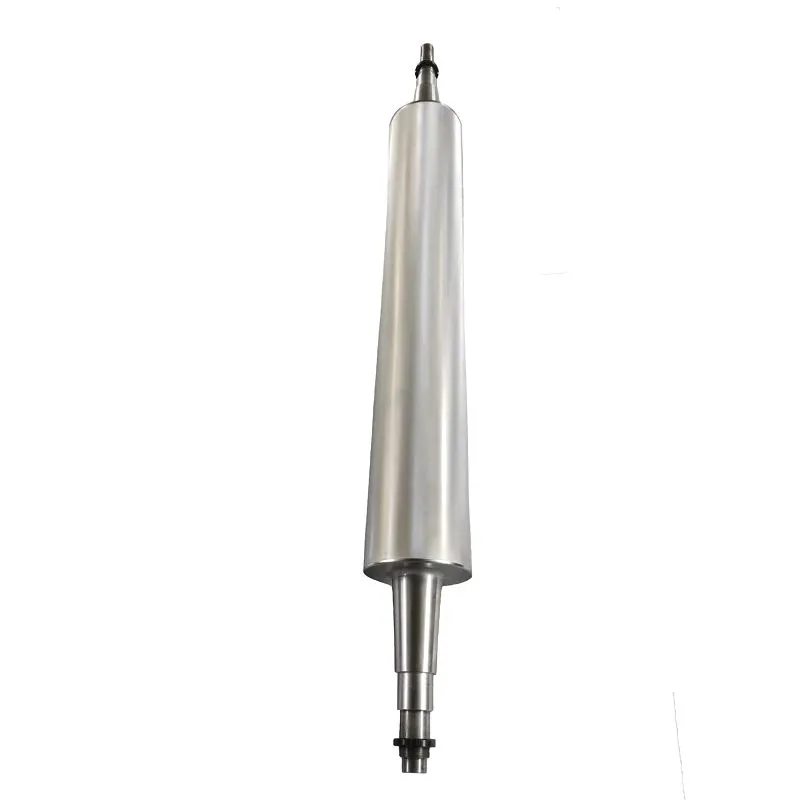

The ink transfer process involves several steps. First, the anilox roller rotates in the ink fountain, and the cells on its surface fill with ink. Then, as the roller comes into contact with the printing plate or substrate, the ink is transferred. The efficiency of this process depends on multiple factors, including the design of the anilox cells, the surface properties of the roller, and the characteristics of the ink.
Initial Ink Transfer Efficiency
When a new Printing Chrome Anilox Roller is first put into use, it typically exhibits high ink transfer efficiency. The chrome plating on the roller provides a smooth and hard surface, which allows for excellent ink pick - up. The cells are precisely engraved, with sharp edges and consistent depths. This precision ensures that the cells can hold a specific volume of ink and release it evenly during the printing process.
The ink used also plays a role in the initial efficiency. New inks have consistent viscosity and particle size, which are ideal for the anilox roller's cells. The combination of a well - made roller and high - quality ink results in vibrant prints with accurate color reproduction. For example, in the case of Printing Chrome Anilox Roller, our newly manufactured rollers are designed to meet the highest standards of ink transfer efficiency right from the start.
Short - Term Changes in Ink Transfer Efficiency
In the short term, several factors can cause changes in the ink transfer efficiency of a Printing Chrome Anilox Roller. One of the most common factors is ink contamination. As the roller is used, it can pick up debris, such as paper fibers, dust, or dried ink particles. These contaminants can clog the anilox cells, reducing their ability to hold and transfer ink.
Another factor is the wear and tear on the roller's surface. Even though chrome plating is hard, continuous contact with the printing plate and the movement of the ink can cause minor scratches. These scratches can disrupt the smooth flow of ink and affect the transfer efficiency. Additionally, changes in the ink's properties, such as viscosity due to temperature or evaporation, can also impact how well the ink is transferred.
Long - Term Changes in Ink Transfer Efficiency
Over a longer period, the ink transfer efficiency of a Printing Chrome Anilox Roller will generally decline. The chrome plating may start to wear off in some areas, exposing the underlying metal. This can lead to uneven ink transfer as the exposed metal has different surface properties compared to the chrome.
The anilox cells also undergo changes over time. They can become rounded at the edges due to abrasion, which reduces their ink - holding capacity. The depth of the cells may also decrease, further limiting the amount of ink that can be transferred. As a result, the prints may start to appear faded or have inconsistent color.
Moreover, the repeated use of the roller can cause internal stress in the metal structure. This stress can lead to micro - cracks, which can affect the overall performance of the roller and its ink transfer efficiency.
Mitigating the Decline in Ink Transfer Efficiency
To maintain the ink transfer efficiency of Printing Chrome Anilox Rollers over time, proper maintenance is essential. Regular cleaning is the first step. Using appropriate cleaning agents and methods can remove contaminants from the anilox cells and prevent clogging. For example, ultrasonic cleaning can be very effective in reaching deep into the cells and removing stubborn debris.
Monitoring the ink properties is also crucial. By keeping the ink at the right viscosity and temperature, printers can ensure that the ink flows smoothly through the anilox cells. Additionally, using high - quality inks that are less likely to cause clogging or damage to the roller can help extend its lifespan and maintain its efficiency.
In some cases, re - engraving the anilox cells can be a solution. This process restores the original shape and depth of the cells, improving the ink - holding capacity and transfer efficiency. However, this should be done by a professional to ensure that the new engraving meets the required specifications.
Comparing Different Types of Anilox Rollers
There are various types of anilox rollers available in the market, each with its own characteristics and ink transfer efficiency trends. For instance, Chrome - plated Aluminum Alloy Roller offers a good balance between weight and durability. The aluminum alloy provides a lightweight base, while the chrome plating enhances the surface hardness and ink transfer properties.
Laminating Chrome Anilox Roller is specifically designed for laminating processes. It has a unique cell structure that is optimized for transferring the right amount of adhesive or coating material. The ink transfer efficiency of these rollers may change differently compared to standard printing rollers due to the different materials and processes involved.
Coating Chrome Anilox Roller is used for applying coatings to various substrates. The cells on these rollers are engineered to handle the specific viscosity and flow characteristics of coating materials. Over time, the efficiency of these rollers may be affected by factors such as the curing of the coating material and the build - up of residue on the roller surface.
Electronic Engraving Anilox Roller uses advanced technology to create highly precise anilox cells. These rollers often have a higher initial ink transfer efficiency compared to traditional engraved rollers. However, they are also more sensitive to wear and tear, and the long - term changes in efficiency need to be carefully monitored.
Conclusion
The ink transfer efficiency of a Printing Chrome Anilox Roller is a dynamic characteristic that changes over time. While new rollers offer high efficiency, various factors such as contamination, wear, and changes in ink properties can cause a decline in performance. By understanding these factors and implementing proper maintenance and monitoring strategies, printers can extend the lifespan of their anilox rollers and ensure consistent print quality.
If you're in the market for high - quality Printing Chrome Anilox Rollers or need advice on maintaining your existing rollers, we're here to help. Contact us to discuss your specific requirements and explore how our products can meet your printing needs. We look forward to the opportunity to work with you and contribute to the success of your printing operations.
References
- Smith, J. (2018). Anilox Rollers: Principles and Applications. Printing Press.
- Brown, A. (2020). Ink Transfer Mechanisms in Printing. Journal of Printing Technology, 15(2), 34 - 45.
- Johnson, R. (2019). Maintenance of Anilox Rollers for Optimal Performance. Printing Industry Magazine, 22(3), 67 - 78.