


Hey there! As a supplier of Light Weight Anilox Sleeves, I’ve been getting a lot of questions lately about how the surface roughness of these sleeves affects ink transfer. So, I thought I’d break it down for you in this blog post.
First off, let’s talk about what an Anilox sleeve is. An Anilox sleeve is a key component in the flexographic printing process. It’s a cylinder that’s covered in tiny cells, and these cells hold and transfer ink to the printing plate. There are different types of Anilox sleeves, like the High Line Count Anilox Sleeve, Light Weight Anilox Sleeve, and Fiber Glass Anilox Sleeve. Each type has its own unique properties, but today we’re focusing on the light - weight ones.
The surface roughness of a Light Weight Anilox Sleeve plays a crucial role in ink transfer. When the surface is rough, it can have both positive and negative impacts on the ink - transfer process.
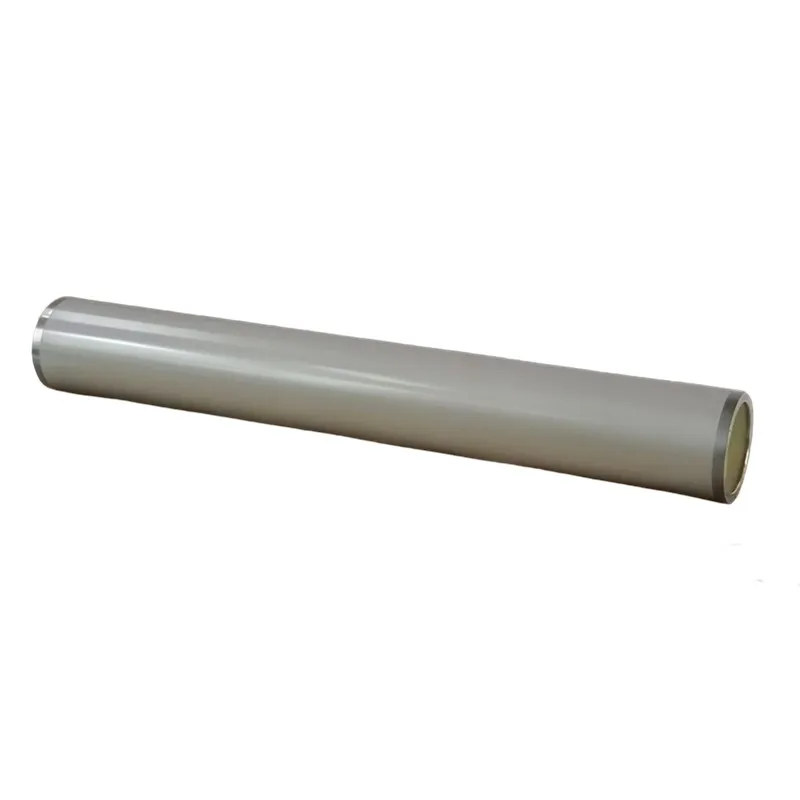
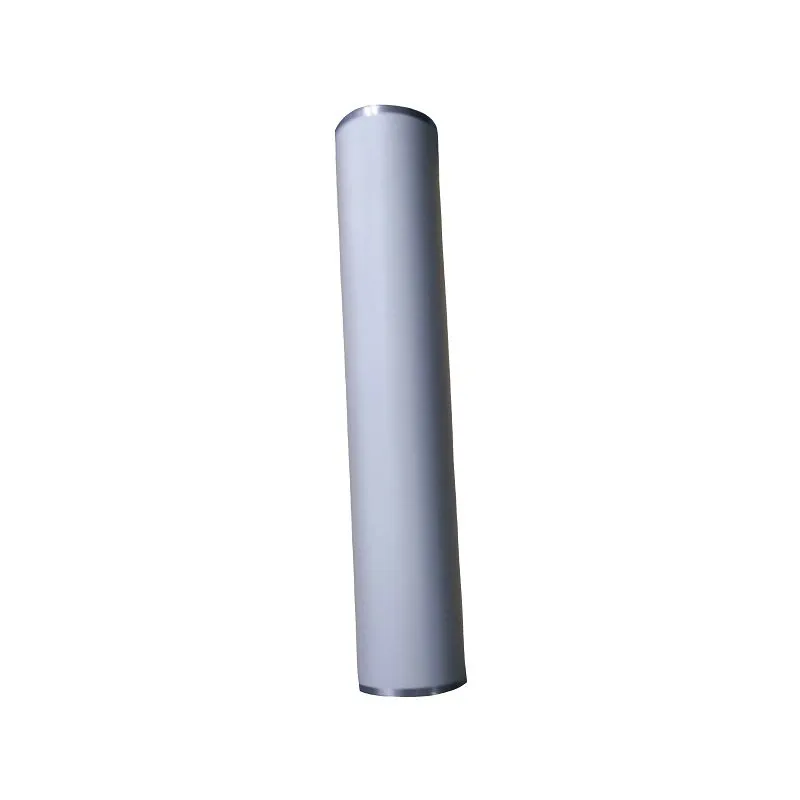
On the positive side, a certain level of surface roughness can help with ink pick - up. The rough surface provides more area for the ink to adhere to. Think of it like Velcro. The tiny bumps and grooves on the surface of the sleeve act like hooks, grabbing onto the ink particles. This means that more ink can be held in the cells of the Anilox sleeve, which can lead to better ink coverage on the printing plate.
For example, in a high - volume printing job where you need a consistent and thick layer of ink, a slightly rough surface can be beneficial. The ink is more likely to stay in the cells during the transfer process, reducing the chances of ink starvation on the printing plate.
However, there are also some downsides to a rough surface. If the surface is too rough, it can cause uneven ink transfer. The rough areas might hold more ink than the smoother areas, leading to a patchy or inconsistent print. This is especially a problem when printing fine details or high - resolution images. The excess ink in the rough areas can bleed into the surrounding areas, blurring the image.
Another issue with excessive surface roughness is that it can cause more wear and tear on the printing plate. The rough surface of the Anilox sleeve can rub against the printing plate, causing it to degrade faster. This not only affects the quality of the print but also increases the cost of replacing the printing plates more frequently.
So, how do we find the right balance? Well, it all comes down to the specific printing requirements. For jobs that require a high - quality, detailed print, a smoother surface might be more appropriate. On the other hand, for jobs where a thicker ink layer is needed, a slightly rougher surface could be the way to go.
As a supplier, we have a range of Light Weight Anilox Sleeves with different surface roughness levels. We work closely with our customers to understand their printing needs and recommend the most suitable sleeve. We also use advanced manufacturing techniques to ensure that the surface roughness is consistent across the entire sleeve.
In addition to surface roughness, other factors also affect ink transfer. The shape and size of the cells on the Anilox sleeve are important. Cells that are too large might hold too much ink, while cells that are too small might not hold enough. The angle of the cells can also impact how the ink is transferred.
The type of ink used is another crucial factor. Different inks have different viscosities, and this can affect how they interact with the surface of the Anilox sleeve. For example, a high - viscosity ink might require a rougher surface to ensure proper pick - up, while a low - viscosity ink might work better with a smoother surface.
The printing speed also plays a role. At higher speeds, the ink needs to be transferred quickly and efficiently. A surface with the right level of roughness can help with this by ensuring that the ink is picked up and released at the right time.
Now, let’s talk about how we test the surface roughness of our Light Weight Anilox Sleeves. We use specialized equipment to measure the surface roughness accurately. This allows us to control the manufacturing process and ensure that each sleeve meets the required specifications.
We also conduct print tests using different types of inks and printing conditions. This helps us to understand how the surface roughness affects ink transfer in real - world scenarios. By doing this, we can provide our customers with sleeves that are optimized for their specific printing needs.
If you’re in the market for a Light Weight Anilox Sleeve and want to learn more about how surface roughness can affect your printing process, don’t hesitate to get in touch. We’re here to answer all your questions and help you find the perfect sleeve for your business. Whether you’re printing labels, packaging, or any other type of product, we have the expertise and the products to meet your needs.
In conclusion, the surface roughness of a Light Weight Anilox Sleeve is a critical factor in ink transfer. It can have both positive and negative impacts, and finding the right balance is key. As a supplier, we’re committed to providing high - quality sleeves that are tailored to your specific printing requirements. So, if you’re looking for a reliable partner for your Anilox sleeve needs, give us a shout!
References:
- Flexographic Printing Technology Handbook
- Studies on Ink Transfer in Flexographic Printing