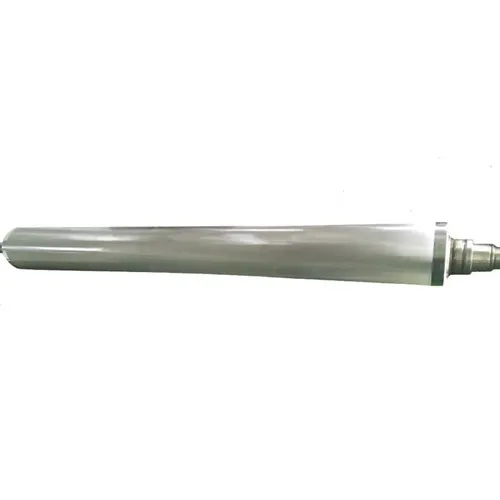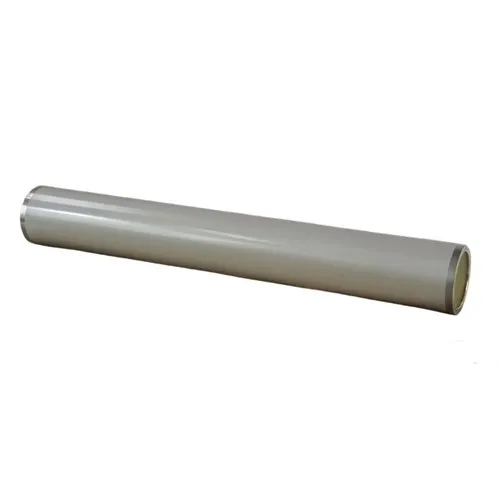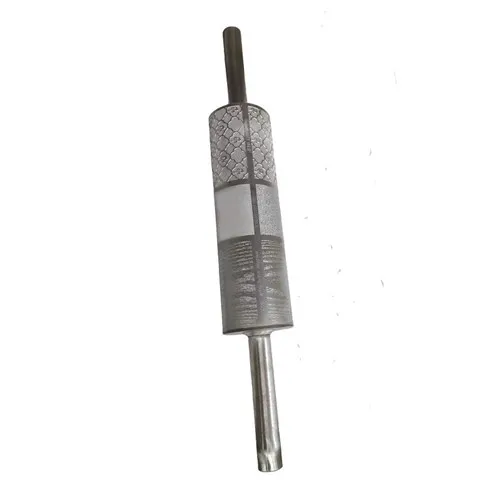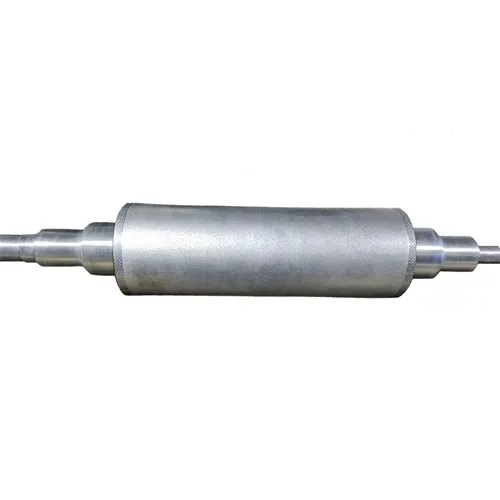


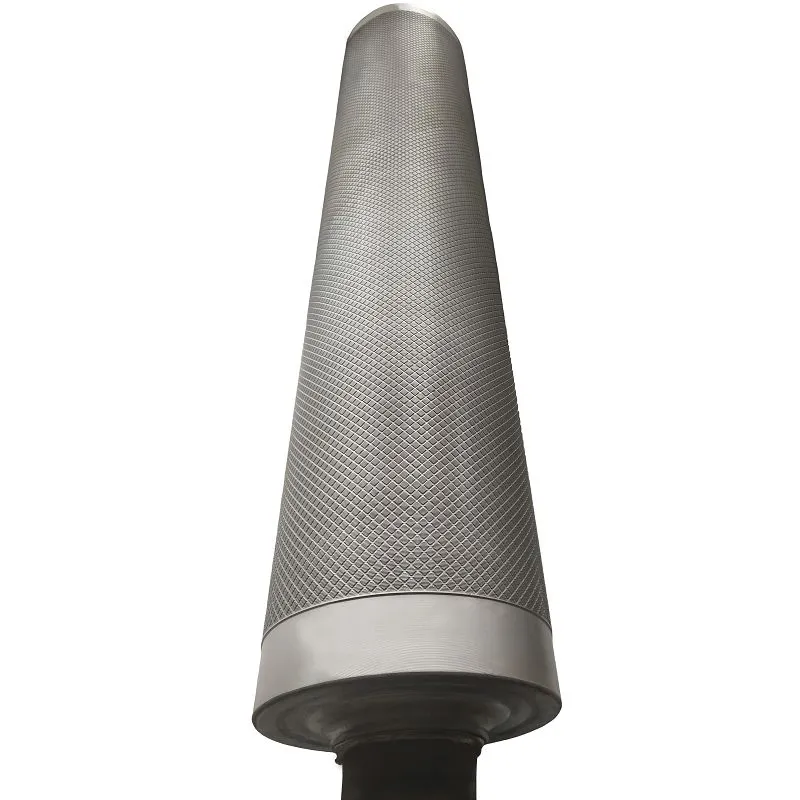
Glass embossing rollers are precision tools used to imprint patterns onto the surface of glass during its manufacturing process:
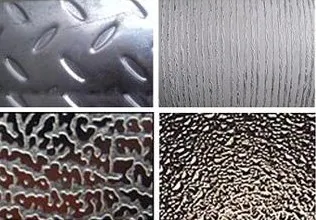
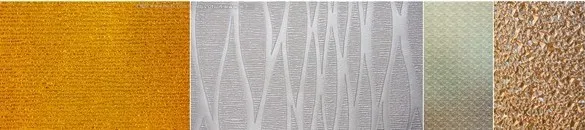
Some Kinds of the patterns:
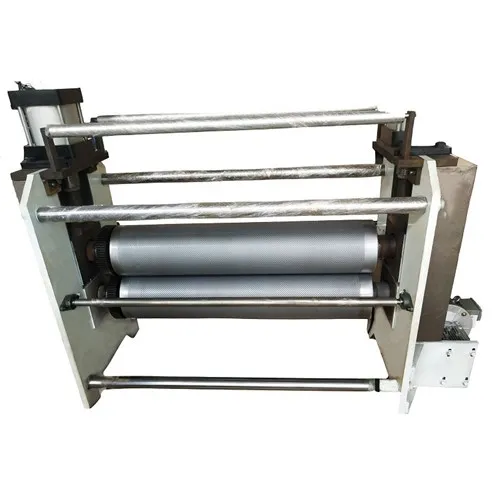
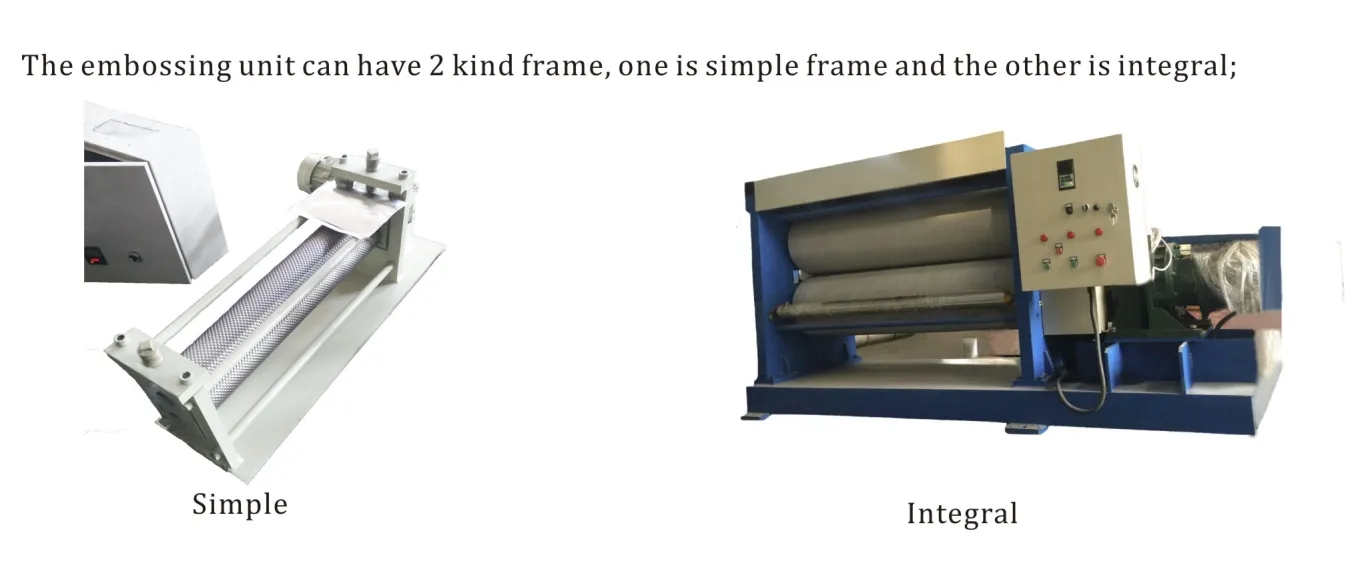
This system uses two rollers that work together:
Working Principle
The process relies on the plasticity of hot glass. While the glass is still in a softened state after being heated in a furnace, it is passed through a pair of rollers.
*One of these rollers is the embossing roller, which has a pre-designed pattern engraved on its surface.
*As the glass passes through, the pattern is pressed into the surface before the glass cools and hardens.
*This technology allows for patterns on either one side (single-sided) or both sides (double-sided) of the glass pane
Manufacturing Methods
Manufacturers use several high-precision techniques to create the patterns on these rollers:
|
Technology |
Description |
|
Laser / Mechanical Engraving |
Use of CNC machines or lasers to carve deep, intricate, and highly detailed patterns directly into the metal roller |
|
Chemical / Electrolytic Etching |
Uses acids or electrolysis to "eat away" the metal surface, creating the desired design. Often used for fine, consistent textures |
|
Blast Treatment |
Involves blasting the surface with abrasive materials (like sand) to create a uniform, matte, or satin texture on the glass |
Key Technical Specifications
When sourcing these rollers, the following parameters are crucial:
Materials
While rollers for other materials might use steel or alloys, high-quality glass embossing rollers are often made from specific materials to withstand extreme heat and wear:
Stainless Steel: Provides high durability and corrosion resistance.
Special Alloys: Designed to be moldable and functional at temperatures up to 1350°C.
Hardness
The surface is typically hardened to maintain pattern integrity. While other industrial rollers often have a chrome layer reaching HRC 58-62, glass rollers require specific hardening to withstand high temperatures.
Precision
For flawless glass, the mechanical precision is critical. In general embossing applications, radial runout (deviation from true rotation) is held to ≤ 0.025 mm to ensure consistency.
Product Detail Drawing
Hot Tags: glass embossing roller, China glass embossing roller manufacturers, suppliers, factory, embossing roller, Glass Embossing Roller, Leather Embossing Roller, Male Female Embossing Roller, Paper Embossing Roller, Steel Steel Embossing Roller