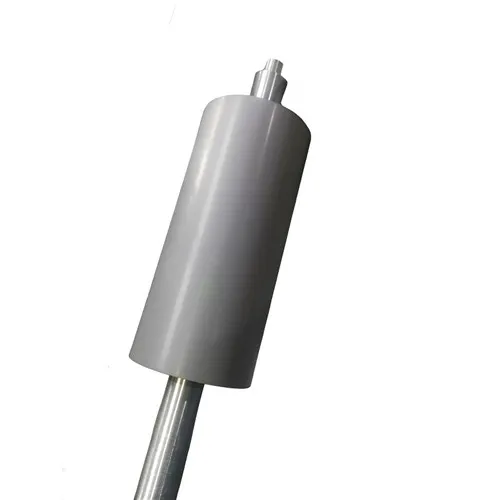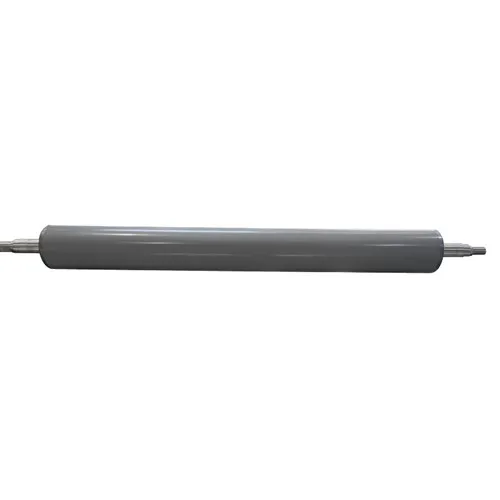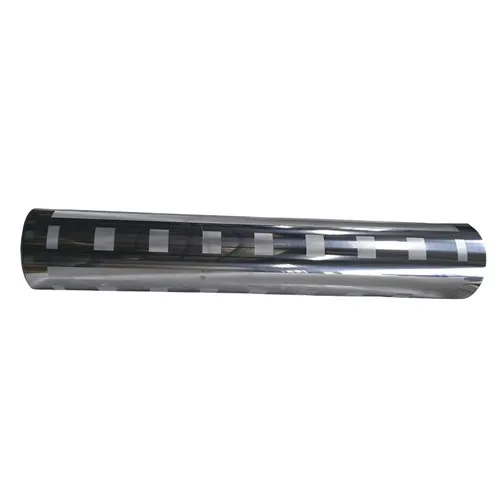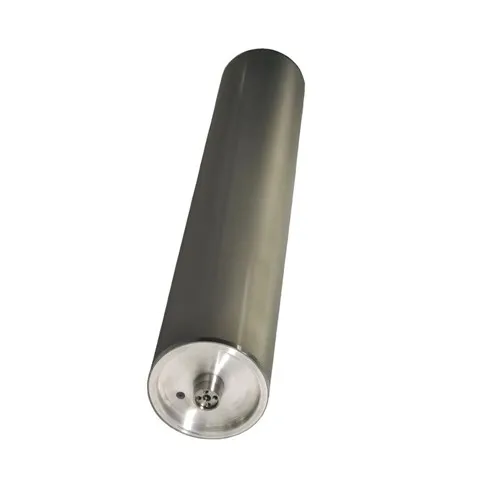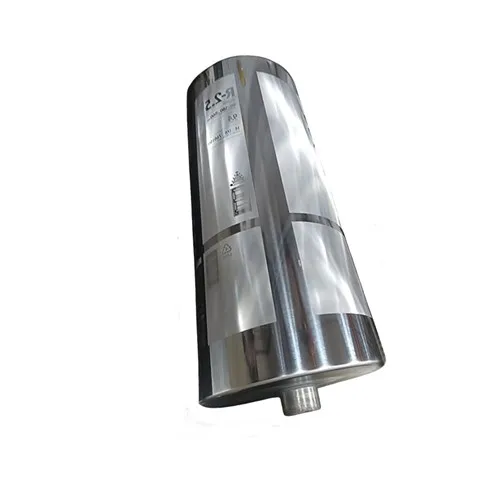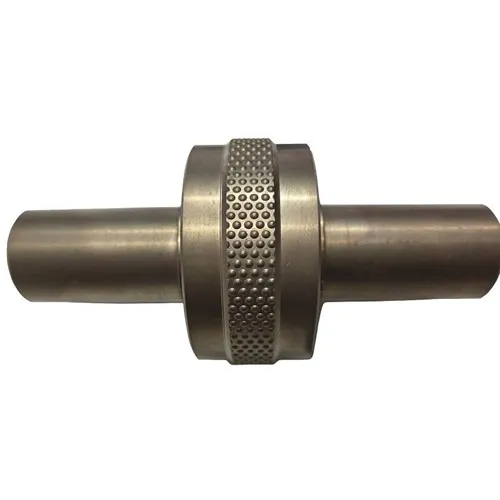
The main structural components of an embossing roller consist of a roller core, base material, and surface plating. The roller's surface structure primarily comprises cells and walls. The base material is commonly electroplated copper, which forms the foundation for the cells and walls. The surface plating uses chromium or ceramic, mainly to improve the roller's wear resistance and prevent solvent corrosion of the copper base layer.
The design of an embossing roller needs to consider factors such as the shape, size, and arrangement of the patterns. Designers typically use computer-aided design (CAD) software to create a 3D model of the roller and conduct simulations and tests. The design team uses professional CAD software to accurately draw the patterns, generating detailed 2D and 3D models.
Embossing rollers are usually made of metal or rubber. Material selection considers the intended use of the roller, the type of printing material, and the desired printing effect. Metal embossing rollers are typically used for high-pressure embossing applications, while rubber embossing rollers are used for low-pressure applications. The roller core uses high-quality metal materials, such as alloy steel or stainless steel, to ensure the roller's strength and rigidity.
The manufacturing process of embossing rollers typically includes turning and milling, while surface treatment methods include electroplating and spraying.