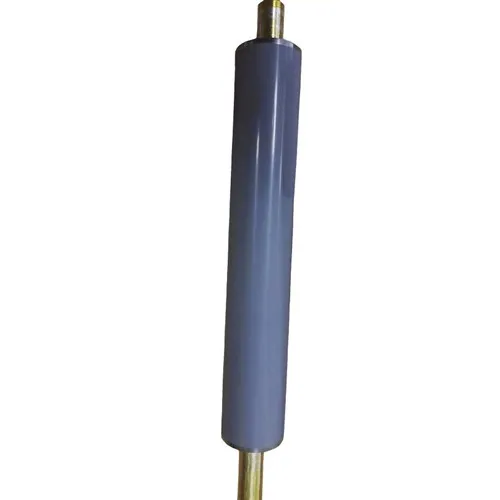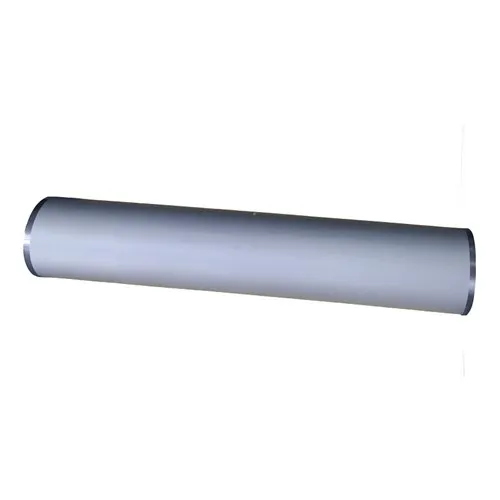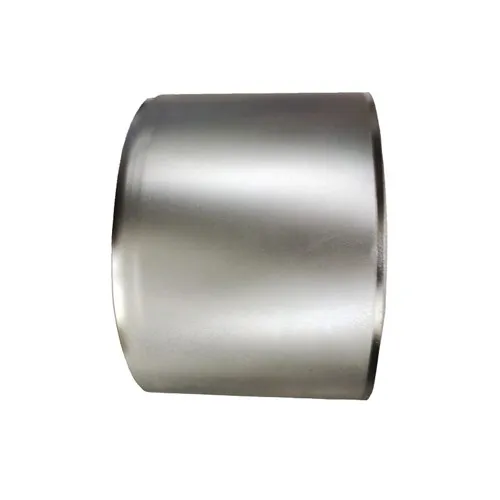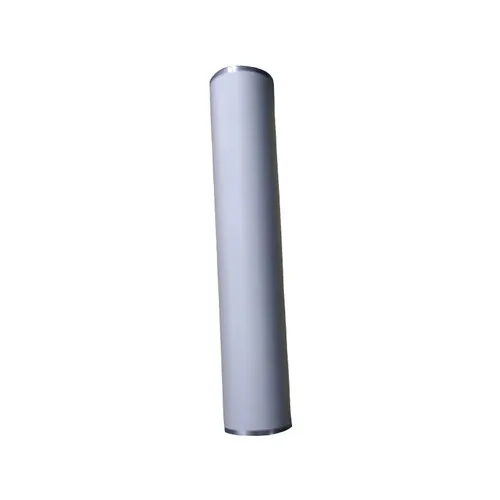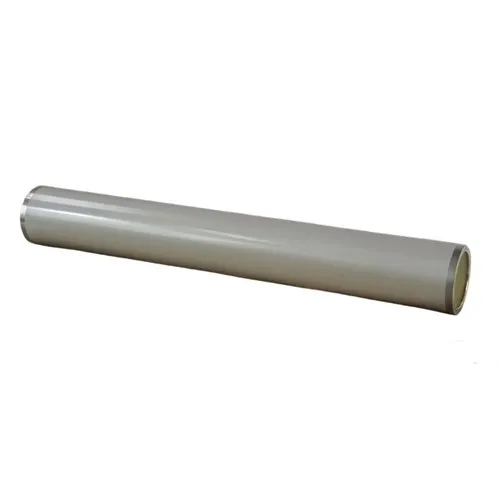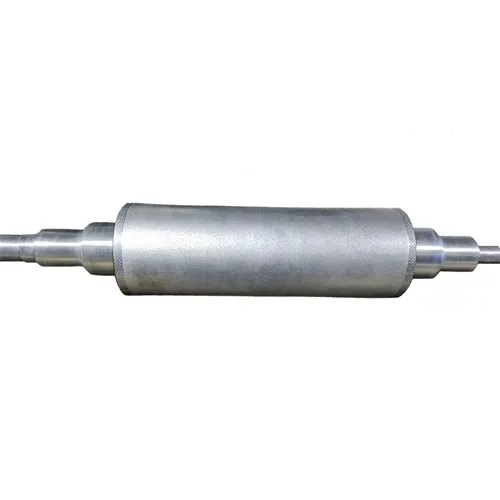


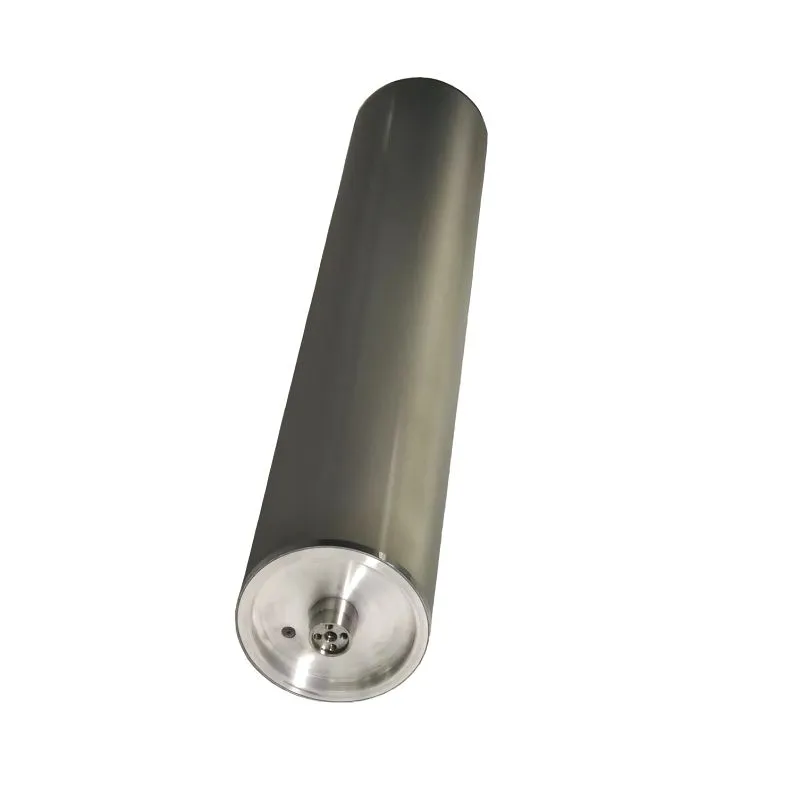
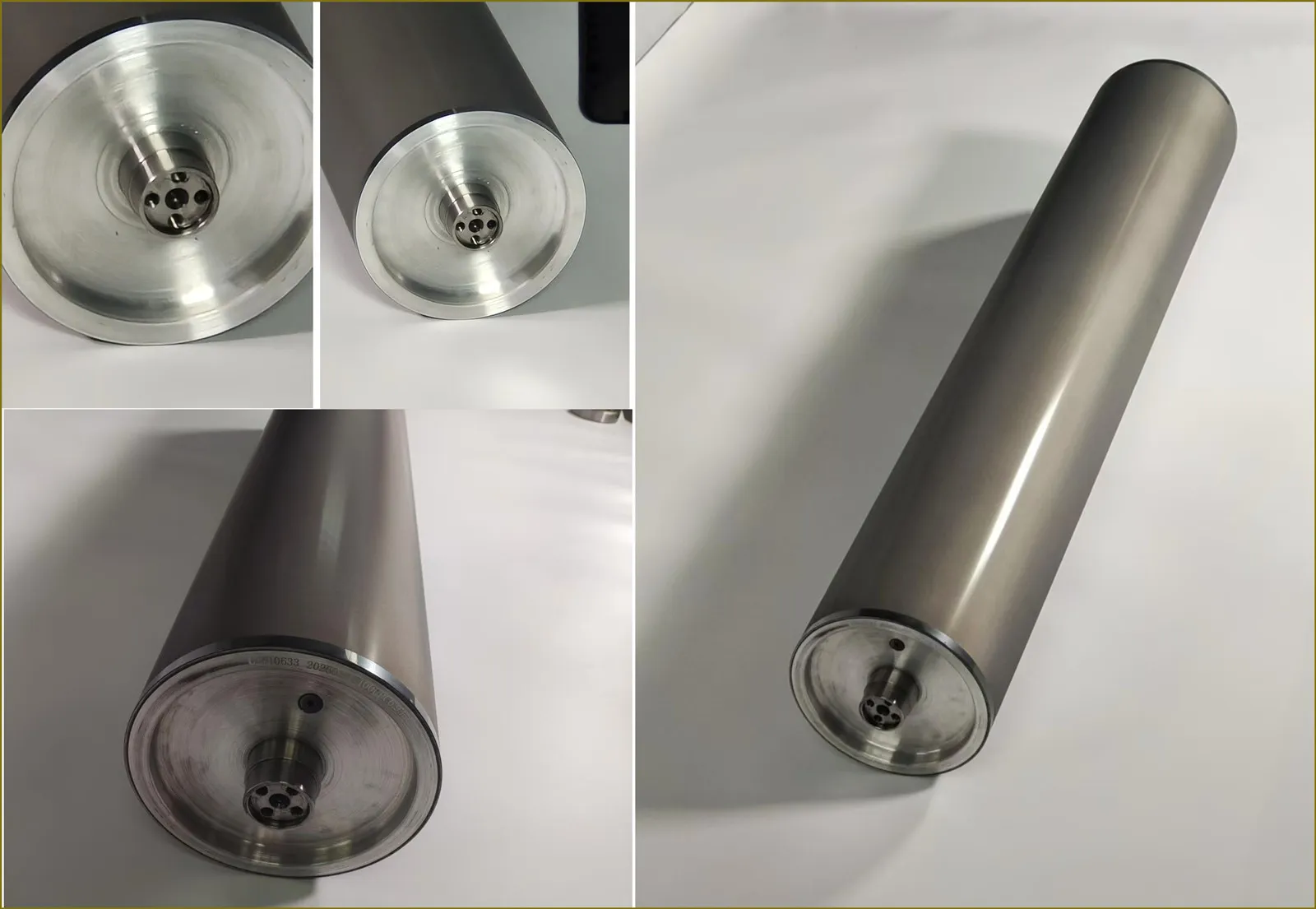
The Aluminum-base anilox sleeve is made of aluminum alloy material, with a ceramic layer sprayed on the surface through plasma and laser-engraved mesh holes. While maintaining the advantages of ceramic wear resistance and corrosion resistance, it utilizes the lightweight characteristics of aluminum alloy to significantly enhance operational convenience and equipment operating efficiency.

Product Parameter
|
Base material |
Aluminum alloy |
Surface Material |
Al2O3, Cr2O3 |
|
Surface Treatment |
Thermal spraying |
Surface Thickness |
0.25~0.3mm/ side |
|
Surface Hardness |
HV1250~1300 |
Screen Line |
80~1500LPI |
|
Max Diameter |
500mm |
Max Length |
5000mm |
|
Cell Shapes |
60° degree hexagon; 45° degree helix; S pattern; ART pattern |
||
Structure and Process
*Multi-layer composite structure: To strike a balance between lightness and stability, sleeves are typically designed with multiple layers. The inner layer is made of compressible material, facilitating installation on an inflatable mandrel; the middle layer is mostly made of glass fiber reinforced composite material or aluminum alloy; and the outer layer is a high-purity chromium oxide (Cr₂O₃) ceramic layer applied through plasma thermal spraying process.
*Laser engraving process: The surface of the ceramic layer is engraved with millions of tiny, uniformly shaped cells by a high-energy laser. The geometry of these cells (such as opening angle and depth) determines the amount of ink transferred
Main Advantages
Compared to traditional monolithic metal anilox rollers, ceramic anilox sleeves offer significant advantages:
*Quick changeover and high efficiency
The lightweight sleeve design, coupled with pneumatic technology, enables rapid replacement on the printing press, making it particularly suitable for short-run jobs and frequent changeover production needs, significantly reducing downtime.
*Superior hardness and wear resistance, long lifespan
Ceramic coatings boast an extremely high hardness, typically exceeding HV 1200 (with some high-end products reaching HV 1500). This level of hardness endows the sleeves with exceptional wear resistance and scratch resistance, enabling them to withstand prolonged high-speed printing.
*Chemical resistance
The ceramic layer exhibits high chemical inertness, capable of resisting the erosion from inks, solvents, and various cleaning agents. Additionally, the ceramic base is typically coated with a corrosion-resistant barrier layer, preventing liquid infiltration and corrosion of the internal aluminum/steel substrate.
*High printing quality
The ceramic layer exhibits excellent uniformity, ensuring consistent depth of laser-engraved meshes, thereby achieving uniform and repeatable ink transfer, supporting fine printing with high line count (high resolution)
How to Choose
When selecting between aluminum alloy, steel, and sleeve in practical scenarios, you can make judgments based on below principles:
①If choosing an aluminum alloy ceramic anilox roller, the following conditions should be met:
You pay more attention on operational convenience and require frequent replacement of rollers.
Your printing machine has a wider format, and hope to reduce the load on the equipment.
②If choosing a traditional steel ceramic anilox roller, and if:
Your roller has a smaller diameter and shorter length (at this point, the weight difference is not significant).
You have stringent requirements for the rigidity of the roller body and are not sensitive to its weight.
The budget is relatively limited (usually, steel costs slightly less than aluminum alloy)
Product Detail Drawing
Hot Tags: aluminium-based anilox sleeve, China aluminium-based anilox sleeve manufacturers, suppliers, factory, Aluminium based Anilox Sleeve, anilox sleeve, Composite Material Anilox Sleeve, Fiber Glass Anilox Sleeve, High Line Count Anilox Sleeve, Light Weight Anilox Sleeve