


Can a male-female embossing roller be used for embossing on metal materials? This is a question that often comes up in the manufacturing and embossing industry. As a supplier of Male&Female Embossing Rollers, I'm here to provide a comprehensive answer to this query, exploring the technical aspects, advantages, and limitations of using such rollers on metal materials.
Understanding Male-Female Embossing Rollers
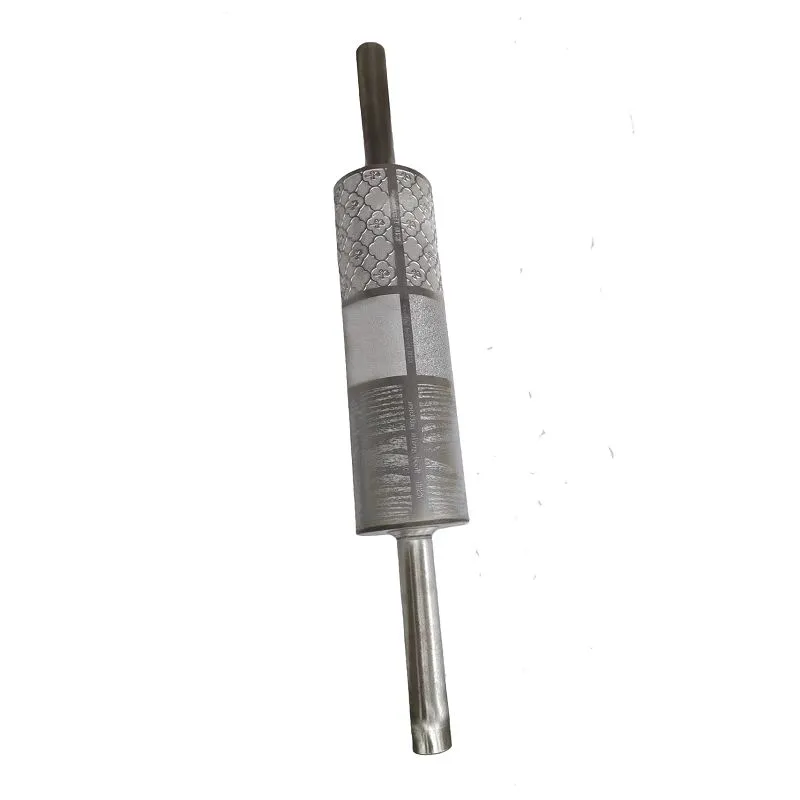
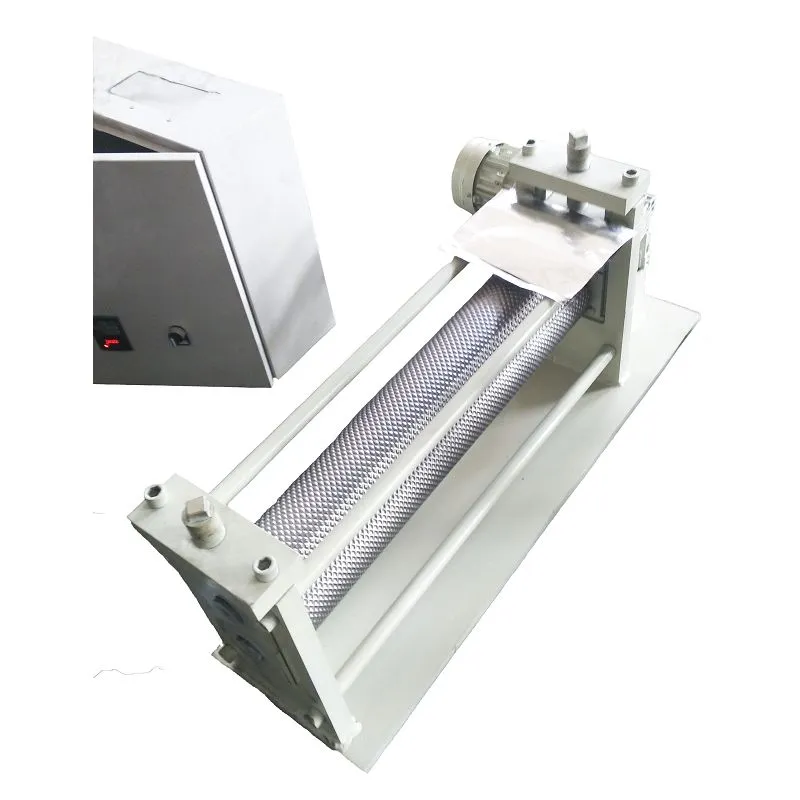
Male-female embossing rollers are a pair of rollers designed to work in tandem. The male roller has a raised pattern, while the female roller has a corresponding recessed pattern. When a material passes between these two rollers, the pattern from the male roller is transferred onto the material, creating a three-dimensional embossed effect. These rollers are commonly used in various industries for different materials, including paper, plastic, and fabric. Paper Embossing Roller is a well - known application, but the question remains: can they be used for metal?
Technical Feasibility
From a technical perspective, using male-female embossing rollers on metal materials is indeed possible. Metal has unique properties such as hardness, ductility, and malleability, which need to be considered. The embossing process on metal involves applying pressure to deform the metal surface into the desired pattern.
The key to successful embossing on metal lies in the design and construction of the embossing rollers. The rollers must be made of high - strength materials that can withstand the high pressures required to emboss metal. For example, Steel&Steel Embossing Roller is a popular choice as steel has the necessary hardness and durability. The surface finish of the rollers is also crucial. A smooth surface on the rollers helps to ensure a clean and precise embossed pattern on the metal.
Advantages of Using Male-Female Embossing Rollers on Metal
- Precision and Consistency: Male-female embossing rollers can produce highly precise and consistent embossed patterns on metal. The interlocking design of the male and female rollers ensures that the pattern is accurately transferred onto the metal surface every time. This is particularly important for industries where uniformity is crucial, such as automotive and aerospace, where embossed metal parts need to meet strict quality standards.
- Versatility: These rollers can create a wide range of patterns on metal, from simple geometric shapes to complex decorative designs. This versatility makes them suitable for various applications, including architectural metalwork, jewelry, and consumer products.
- Efficiency: The embossing process using male-female rollers is relatively fast compared to other methods of metal decoration. Once the rollers are set up, a large number of metal pieces can be embossed in a short period, increasing productivity.
Limitations and Challenges
- Material Compatibility: Not all metals are suitable for embossing with male-female rollers. Some metals, such as very hard alloys, may require extremely high pressures to emboss, which can cause excessive wear on the rollers. On the other hand, soft metals may deform too easily, resulting in a less defined embossed pattern.
- Cost: The initial investment in high - quality male-female embossing rollers for metal is relatively high. The rollers need to be precisely machined and heat - treated to ensure their durability and performance. Additionally, the cost of maintaining and replacing the rollers over time can also be significant.
- Surface Finish: Metal surfaces may have imperfections such as scratches or unevenness, which can affect the quality of the embossed pattern. Pre - treatment of the metal surface, such as polishing or cleaning, may be required to achieve a satisfactory embossed result.
Applications in the Metal Industry
- Automotive Industry: Male-female embossing rollers are used to create decorative patterns on automotive interior and exterior parts, such as dashboard panels, door trims, and grilles. The precise and consistent embossed patterns enhance the aesthetic appeal of the vehicles.
- Jewelry Making: In the jewelry industry, these rollers can be used to create intricate patterns on metal jewelry pieces, adding value and uniqueness to the products.
- Architectural Metalwork: For architectural applications, male-female embossing rollers can be used to create decorative patterns on metal sheets and panels, which are used in building facades, interior partitions, and decorative elements.
Conclusion
In conclusion, male-female embossing rollers can be used for embossing on metal materials, but it requires careful consideration of the metal properties, roller design, and process parameters. While there are challenges and limitations, the advantages of precision, versatility, and efficiency make them a viable option for many metal - embossing applications.
If you are interested in exploring the use of Male&Female Embossing Roller for your metal - embossing needs, we are here to assist you. Our team of experts can provide you with detailed information, customized solutions, and high - quality embossing rollers. Contact us to start a procurement discussion and find the best embossing solution for your business.
References
- "Metal Forming Handbook: Processes and Applications" by Carl T. Yang
- "Embossing Technology: Principles and Practice" by John Smith