


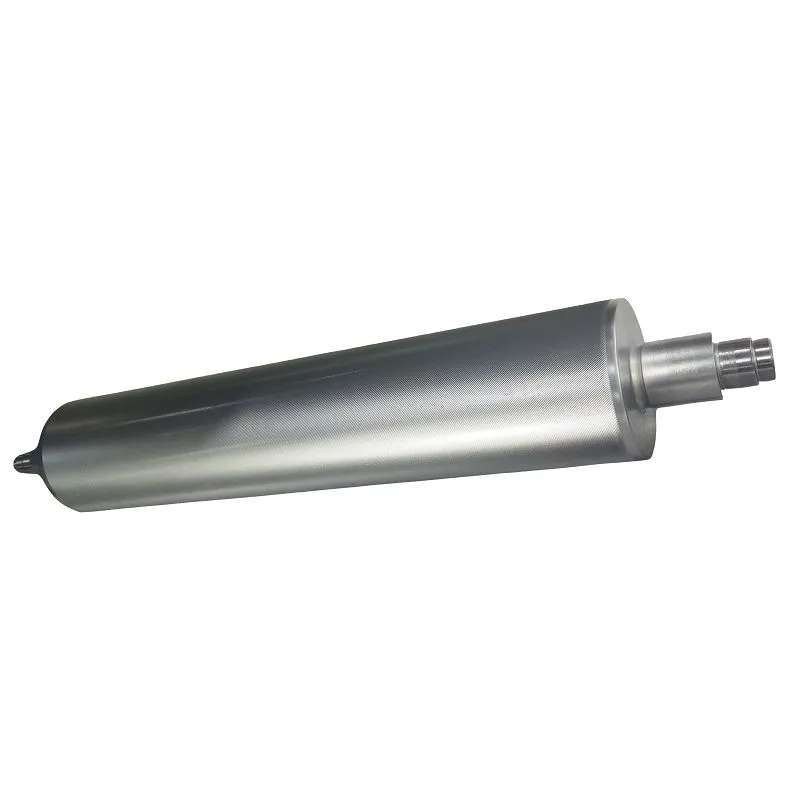
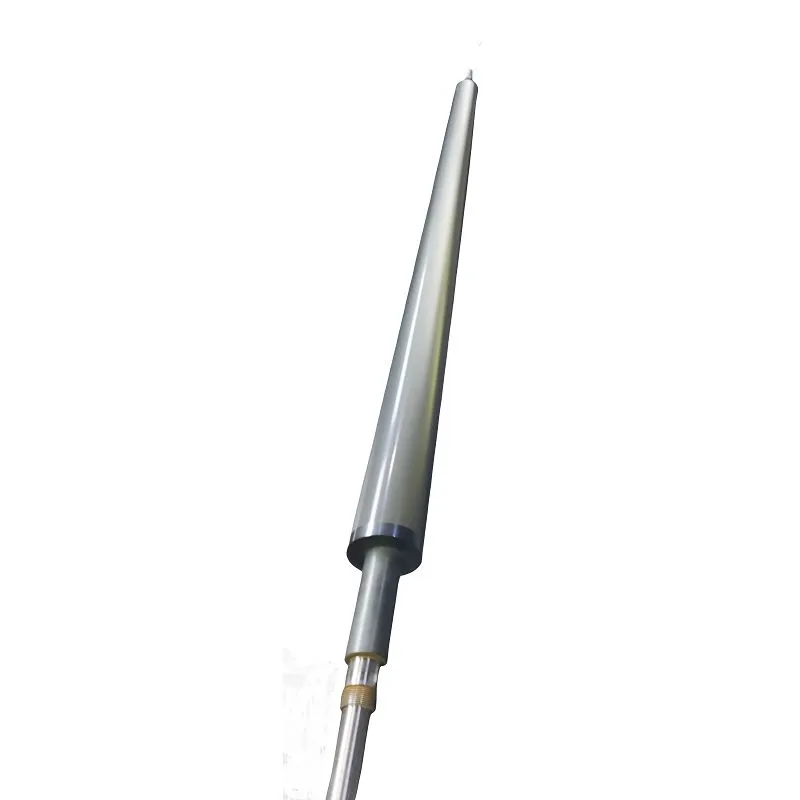
As a supplier of Packaging Micro Gravure Roll, I've seen firsthand the challenges that come with achieving optimal ink transfer uniformity. In the packaging industry, a consistent and even ink transfer is crucial for high - quality printing. Here, I'll share some practical tips on how to improve the ink transfer uniformity of a packaging micro gravure roll.
Understanding the Basics of Micro Gravure Printing
Before diving into the solutions, it's important to understand how micro gravure printing works. In micro gravure printing, the ink is transferred from the engraved cells on the roll to the substrate. The size, shape, and depth of these cells play a significant role in determining the amount and uniformity of ink transfer.
The ink is first applied to the surface of the micro gravure roll. A doctor blade then scrapes off the excess ink, leaving only the ink within the cells. As the roll rotates, the ink in the cells is transferred to the substrate. Any irregularities in the cell structure, ink properties, or printing conditions can lead to uneven ink transfer.
Optimizing the Engraving Process
The quality of the engraving on the micro gravure roll is the foundation for good ink transfer uniformity.
- Cell Design: The design of the engraved cells is crucial. Cells should be of consistent size, shape, and depth across the entire roll. Modern engraving techniques, such as laser engraving, can provide high - precision cell structures. For example, a well - designed cell with a proper aspect ratio (the ratio of cell depth to cell width) can hold the right amount of ink and release it evenly onto the substrate.
- Engraving Accuracy: Ensuring high - accuracy engraving is essential. Even small variations in cell dimensions can cause significant differences in ink transfer. Regular quality control checks during the engraving process can help identify and correct any issues early on.
Ink Management
The properties of the ink also have a major impact on ink transfer uniformity.
- Viscosity: Ink viscosity is a key factor. If the ink is too thick, it may not flow easily into the cells or be transferred smoothly to the substrate. On the other hand, if it's too thin, it may spread too much and cause uneven printing. Regularly measuring and adjusting the ink viscosity can help maintain consistent ink transfer. For instance, using a viscometer to monitor the viscosity and adding solvents or thickeners as needed.
- Surface Tension: The surface tension of the ink affects how it adheres to the roll and the substrate. Inks with appropriate surface tension will spread evenly within the cells and transfer well to the substrate. You can use additives to adjust the surface tension of the ink.
Printing Conditions
The printing environment and process parameters also play a role in ink transfer uniformity.
- Pressure: The pressure between the micro gravure roll and the substrate is critical. If the pressure is too high, it may cause the ink to squeeze out unevenly. If it's too low, the ink may not transfer properly. Adjusting the pressure to an optimal level can improve the ink transfer. For example, using a pressure - control system to maintain a consistent pressure during the printing process.
- Speed: The printing speed can also affect ink transfer. A high - speed printing process may require different ink properties and cell designs compared to a low - speed process. Finding the right balance between speed and ink transfer is important. You may need to conduct some tests to determine the optimal printing speed for your specific application.
Roll Maintenance
Proper maintenance of the micro gravure roll is essential for long - term ink transfer uniformity.
- Cleaning: Regular cleaning of the roll is necessary to remove any ink residues, debris, or contaminants. A dirty roll can cause uneven ink transfer. Use appropriate cleaning agents and methods to ensure a thorough clean. For example, ultrasonic cleaning can be an effective way to remove stubborn ink residues from the cells.
- Inspection: Regularly inspect the roll for any signs of wear, damage, or corrosion. Any issues with the roll surface can affect ink transfer. If you notice any problems, such as worn - out cells or scratches, take appropriate measures to repair or replace the roll.
Complementary Roll Types
In addition to Packaging Micro Gravure Roll, other types of micro gravure rolls can also be considered to enhance ink transfer uniformity in different applications.
- Film Coating Micro Gravure Roll: These rolls are specifically designed for film coating applications. They often have different cell designs and surface treatments to ensure optimal ink transfer on film substrates.
- Ceramic Micro Gravure Roll: Ceramic rolls offer excellent wear resistance and chemical stability. They can provide more consistent ink transfer over a longer period, especially in high - volume printing operations.
Conclusion
Improving the ink transfer uniformity of a packaging micro gravure roll requires a comprehensive approach that includes optimizing the engraving process, managing the ink properties, controlling the printing conditions, and maintaining the roll properly. By paying attention to these aspects, you can achieve high - quality and consistent ink transfer, which is essential for the success of your packaging printing projects.
If you're looking for high - quality Packaging Micro Gravure Roll or need more advice on improving ink transfer uniformity, feel free to reach out. We're here to help you find the best solutions for your printing needs.
References
- Smith, J. (2020). "Advanced Micro Gravure Printing Techniques". Printing Press Publications.
- Brown, A. (2019). "Ink Transfer in Micro Gravure Printing: A Review". Journal of Printing Technology, 15(2), 34 - 45.