


Chemical resistance is a crucial property for many industrial components, and the Ceramic Micro Gravure Roll is no exception. As a supplier of Ceramic Micro Gravure Rolls, I've witnessed firsthand how this attribute can impact the performance and longevity of these rolls in various applications. In this blog, we'll explore what chemical resistance means for a Ceramic Micro Gravure Roll, why it matters, and how it can affect your operations.
Understanding Chemical Resistance
Chemical resistance refers to a material's ability to withstand the effects of chemical substances without significant degradation. For a Ceramic Micro Gravure Roll, this means that the roll can maintain its integrity and performance when exposed to a variety of chemicals commonly used in industrial processes. These chemicals can include solvents, acids, bases, and other corrosive substances.
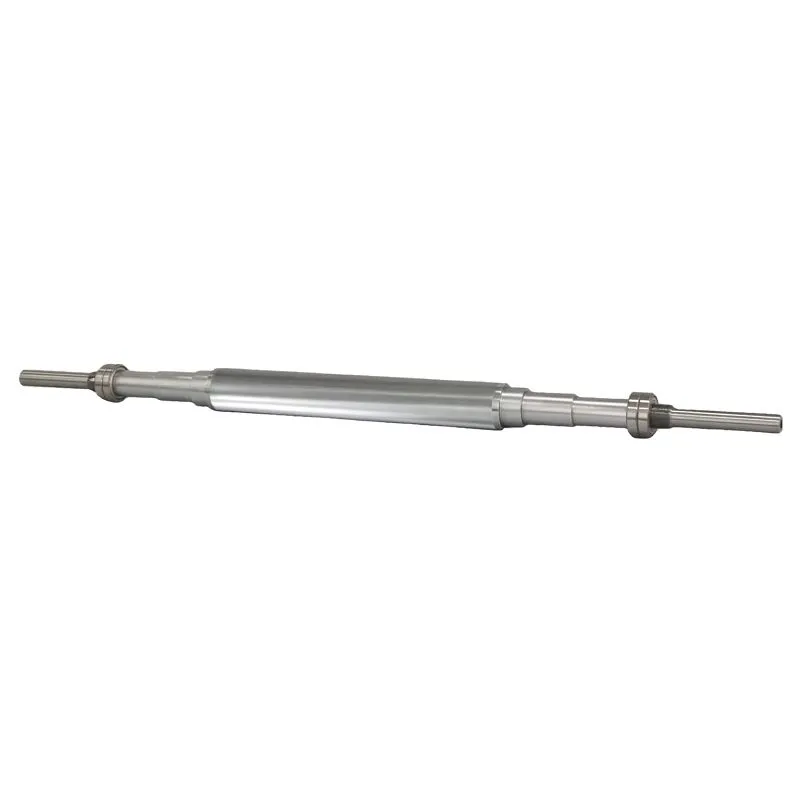
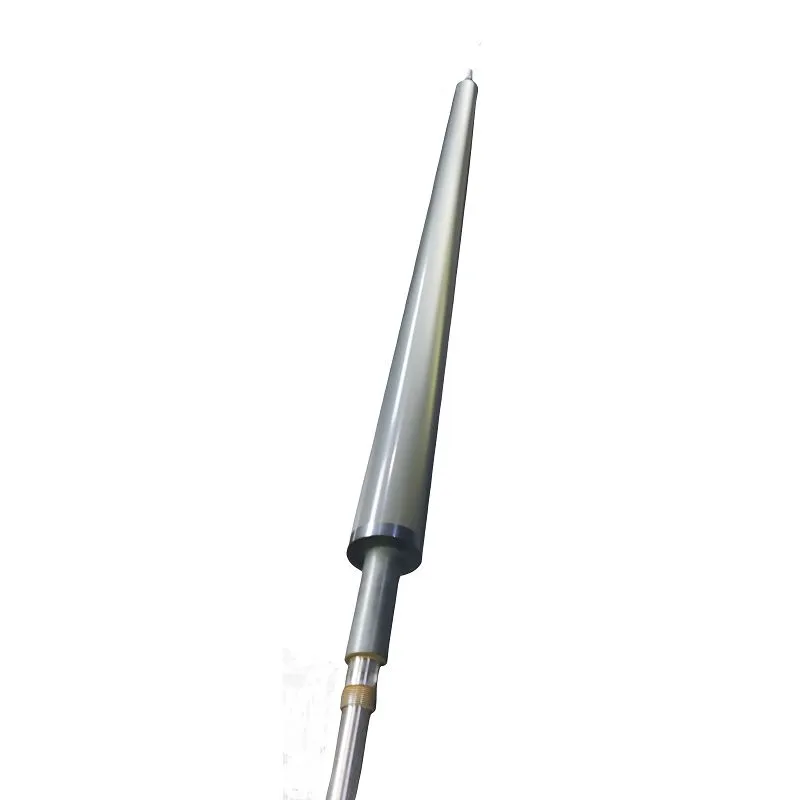
The chemical resistance of a Ceramic Micro Gravure Roll is determined by several factors, including the composition of the ceramic material, the manufacturing process, and the surface finish. Different ceramic materials have different levels of resistance to various chemicals. For example, some ceramics are more resistant to acids, while others are better at withstanding bases. The manufacturing process can also affect the chemical resistance of the roll. A well - manufactured roll with a dense and uniform ceramic coating is likely to have better chemical resistance than one with a porous or uneven coating.
Why Chemical Resistance Matters
In many industries, such as Film Coating Micro Gravure Roll and Packaging Micro Gravure Roll applications, Ceramic Micro Gravure Rolls are exposed to a wide range of chemicals. In film coating, for instance, solvents are often used to dissolve the coating material and ensure a smooth application. These solvents can be aggressive and may cause damage to the roll if it doesn't have adequate chemical resistance.
If a roll lacks chemical resistance, it can lead to several problems. Firstly, the surface of the roll may become corroded or pitted, which can affect the quality of the coating or printing. This can result in uneven coating thickness, streaks, or other defects in the final product. Secondly, the corrosion can weaken the roll, reducing its mechanical strength and potentially leading to premature failure. This not only increases the cost of replacement but also causes downtime in the production process.
Factors Affecting Chemical Resistance
Ceramic Composition
The type of ceramic used in the roll is a major factor in determining its chemical resistance. For example, alumina - based ceramics are known for their good resistance to a wide range of chemicals, including many acids and bases. They have a high melting point and are relatively stable under chemical attack. Zirconia - based ceramics, on the other hand, offer excellent mechanical properties and can also have good chemical resistance, especially in certain environments.
Coating Thickness and Quality
The thickness and quality of the ceramic coating on the roll also play a significant role. A thicker coating can provide more protection against chemical attack. However, it's not just about the thickness; the coating must also be uniform and free of defects. Any cracks or pores in the coating can allow chemicals to penetrate and reach the underlying substrate, leading to corrosion.
Surface Finish
A smooth surface finish can enhance the chemical resistance of the roll. A rough surface provides more areas for chemicals to adhere and react, increasing the likelihood of corrosion. By ensuring a smooth surface, we can reduce the contact area between the roll and the chemicals, minimizing the potential for damage.
Testing Chemical Resistance
To ensure that our Ceramic Micro Gravure Rolls meet the required standards of chemical resistance, we conduct a series of tests. These tests involve exposing the rolls to different chemicals for a specified period and then evaluating the changes in the roll's surface and performance.
One common test is the immersion test. In this test, the roll is immersed in a chemical solution for a set time, and then its weight, surface appearance, and hardness are measured before and after the immersion. Any significant changes in these properties indicate a lack of chemical resistance.
We also use more advanced techniques, such as scanning electron microscopy (SEM) and energy - dispersive X - ray spectroscopy (EDX), to analyze the surface of the roll after chemical exposure. These techniques can provide detailed information about the composition and structure of the roll's surface, helping us to identify any signs of corrosion or chemical damage.
Applications and Chemical Resistance Requirements
Film Coating
In the film coating industry, Ceramic Micro Gravure Rolls are used to apply thin coatings of various materials onto films. The chemicals used in this process can include solvents, resins, and additives. The roll must be resistant to these chemicals to ensure a consistent and high - quality coating. For example, if the roll is not resistant to the solvents used, it can cause the coating to become uneven or develop defects.
Packaging
In the packaging industry, Packaging Micro Gravure Roll are used for printing and coating on packaging materials. The inks and coatings used in this process often contain chemicals such as pigments, binders, and solvents. The roll needs to be resistant to these chemicals to maintain its performance and ensure the quality of the printed or coated packaging.
Maintaining Chemical Resistance
To maintain the chemical resistance of Ceramic Micro Gravure Rolls, proper cleaning and maintenance are essential. After each use, the roll should be cleaned thoroughly to remove any residual chemicals. This can be done using appropriate cleaning agents that are compatible with the ceramic material.
It's also important to store the rolls in a clean and dry environment. Exposure to moisture and other contaminants can reduce the chemical resistance of the roll over time. Additionally, regular inspections should be carried out to detect any signs of corrosion or damage early on.
Conclusion
The chemical resistance of a Ceramic Micro Gravure Roll is a critical factor in its performance and longevity. As a supplier, we understand the importance of providing rolls with high - quality chemical resistance to meet the diverse needs of our customers. Whether you're in the film coating or packaging industry, having a Ceramic Micro Gravure Roll with excellent chemical resistance can help you achieve better results and reduce production costs.
If you're interested in learning more about our Ceramic Micro Gravure Rolls or discussing your specific requirements, we encourage you to contact us for a procurement discussion. We're here to help you find the best solution for your business.
References
- "Ceramic Materials: Properties and Applications" by John Doe
- "Industrial Coating and Printing Processes" by Jane Smith
- "Testing of Chemical Resistance in Industrial Components" by Robert Johnson