


Hey there! As a supplier of micro gravure rolls, I often get asked about the density of cells on these rolls. It's a crucial aspect that can significantly impact the performance and quality of the coating process. So, let's dive right in and explore what the density of cells on a micro gravure roll means and why it matters.
Understanding Micro Gravure Rolls
First off, for those who aren't familiar, micro gravure rolls are essential tools in various industries, including packaging, film coating, and adhesive applications. These rolls have tiny cells engraved on their surface, which are designed to hold and transfer a specific amount of coating material onto a substrate. The precision of these cells is what makes micro gravure rolls so effective in achieving consistent and high - quality coatings.
What is Cell Density?
Cell density refers to the number of cells per unit area on the surface of the micro gravure roll. It's usually measured in cells per square centimeter or cells per square inch. The cell density can vary widely depending on the specific application and the requirements of the coating process.
A higher cell density means more cells are packed into a given area. This can result in a thinner and more uniform coating because there are more points of contact between the roll and the substrate. On the other hand, a lower cell density may be used when a thicker coating is needed, as each cell can hold more coating material.
Factors Affecting Cell Density
There are several factors that influence the choice of cell density for a micro gravure roll.
Coating Material Viscosity
The viscosity of the coating material plays a big role. If the coating is highly viscous, a lower cell density might be better. Thick materials don't flow as easily, so larger cells can hold and transfer the material more effectively. For example, in an Adhesive Coating Micro Gravure Roll, adhesives are often thick, and a lower cell density could be used to ensure proper transfer.
Conversely, for low - viscosity coatings, a higher cell density can be used to achieve a more precise and even coating. In Film Coating Micro Gravure Roll applications, where thin and uniform coatings are required, a high cell density is often preferred.
Substrate Characteristics
The type and surface properties of the substrate also matter. If the substrate has a rough surface, a higher cell density can help to fill in the irregularities and create a smoother coating. For a Packaging Micro Gravure Roll, different packaging materials like paper, plastic, or foil may require different cell densities to ensure good adhesion and coating quality.
Coating Thickness Requirements
As mentioned earlier, the desired coating thickness is a major factor. If you need a very thin coating, say for a high - end film application, a high cell density will be your go - to. But if you're looking for a thicker coating, such as in some adhesive or protective coating applications, a lower cell density will be more appropriate.
Measuring Cell Density
Measuring the cell density of a micro gravure roll is not as straightforward as it might seem. There are a few methods that can be used.
One common method is to use a microscope. By counting the number of cells in a specific area under the microscope and then calculating the density based on the area, you can get a fairly accurate measurement. However, this method can be time - consuming and requires some skill to ensure accurate counting.
Another method is to use advanced imaging techniques. These can provide a more detailed and automated way of measuring cell density. Some modern imaging systems can analyze the entire surface of the roll and quickly calculate the cell density, along with other important parameters like cell size and shape.
The Importance of Cell Density in Different Applications
Let's take a closer look at how cell density impacts different applications.
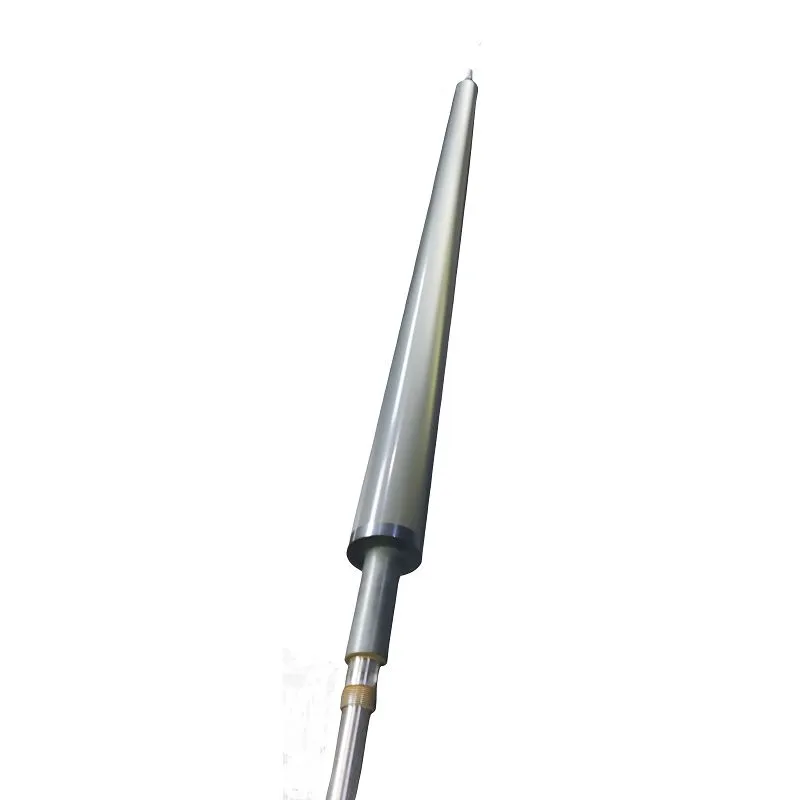
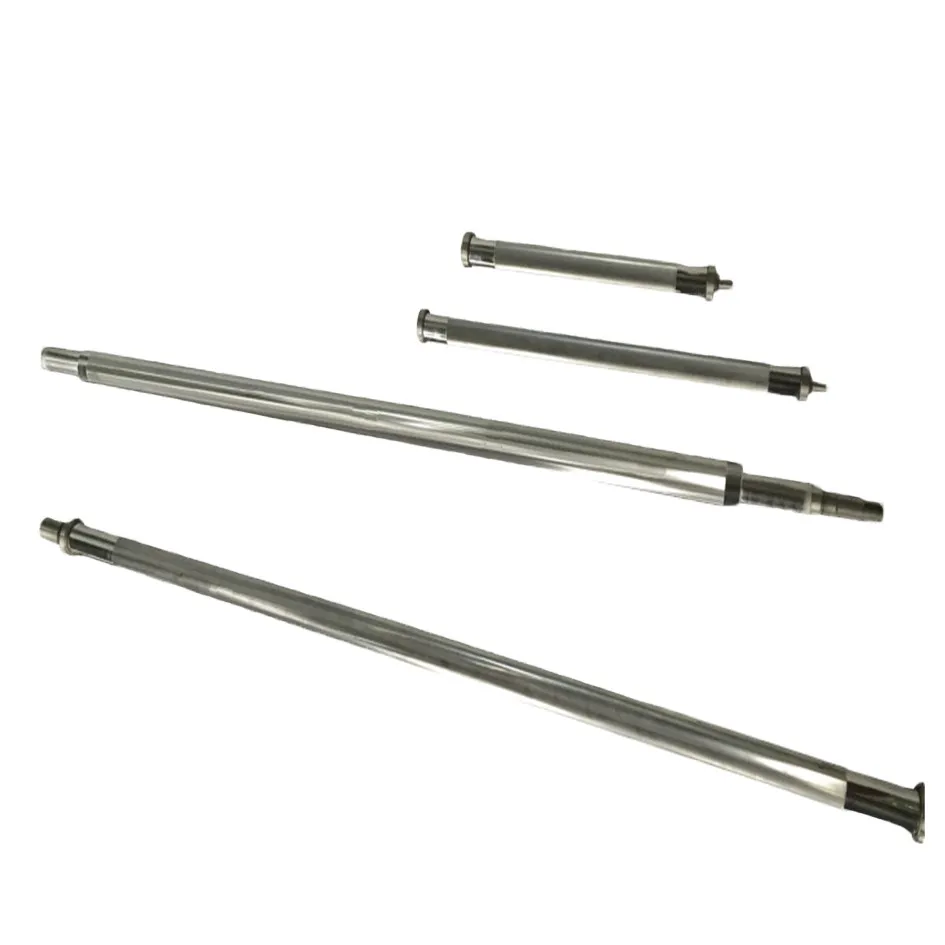
Film Coating
In film coating, achieving a uniform and thin coating is crucial. A high cell density on a Film Coating Micro Gravure Roll allows for precise control of the coating thickness. This is especially important in applications like optical films, where even the slightest variation in coating thickness can affect the performance of the film.
Adhesive Coating
For adhesive coating, the cell density needs to be carefully chosen to ensure proper adhesion and coverage. A lower cell density can help to apply a thicker layer of adhesive, which is often necessary for strong bonding. However, if the adhesive is too thickly applied, it can lead to issues like oozing or uneven drying. So, finding the right balance is key when using an Adhesive Coating Micro Gravure Roll.
Packaging
In the packaging industry, different types of coatings are used for various purposes, such as protection, printing, or sealing. The cell density of a Packaging Micro Gravure Roll will depend on the specific requirements of the packaging material and the coating. For example, a high - gloss coating on a plastic packaging might require a high cell density to achieve a smooth and shiny finish.
Ceramic Micro Gravure Rolls and Cell Density
Ceramic micro gravure rolls are becoming increasingly popular due to their durability and high precision. The cell density on a Ceramic Micro Gravure Roll can be precisely controlled during the manufacturing process. Ceramic materials allow for very fine and accurate cell engraving, which is essential for applications that require high - quality coatings.
The hardness and smoothness of ceramic also contribute to better coating transfer. With a well - designed cell density, ceramic micro gravure rolls can provide consistent and reliable performance over a long period of time.
Choosing the Right Cell Density for Your Needs
As a micro gravure roll supplier, I understand that choosing the right cell density can be a challenge. That's why we work closely with our customers to understand their specific requirements. Whether you're in the film coating, adhesive, or packaging industry, we can help you select the micro gravure roll with the optimal cell density for your application.
We take into account factors like the coating material, substrate, and desired coating thickness. Our team of experts can also provide guidance on the best manufacturing processes and materials to ensure the highest quality and performance of your micro gravure roll.
Conclusion
In conclusion, the density of cells on a micro gravure roll is a critical factor that can significantly impact the quality and performance of the coating process. By understanding the factors that affect cell density and how it relates to different applications, you can make an informed decision when choosing a micro gravure roll.
If you're in the market for a micro gravure roll and need help with selecting the right cell density for your specific needs, don't hesitate to reach out. We're here to assist you in finding the perfect solution for your coating requirements. Contact us to start the procurement process and let's work together to achieve the best results for your business.
References
- "Micro Gravure Coating Technology" - A technical guide on micro gravure coating processes and roll design.
- "Advances in Coating Materials and Applications" - A research publication that discusses the relationship between coating materials and cell density on micro gravure rolls.