


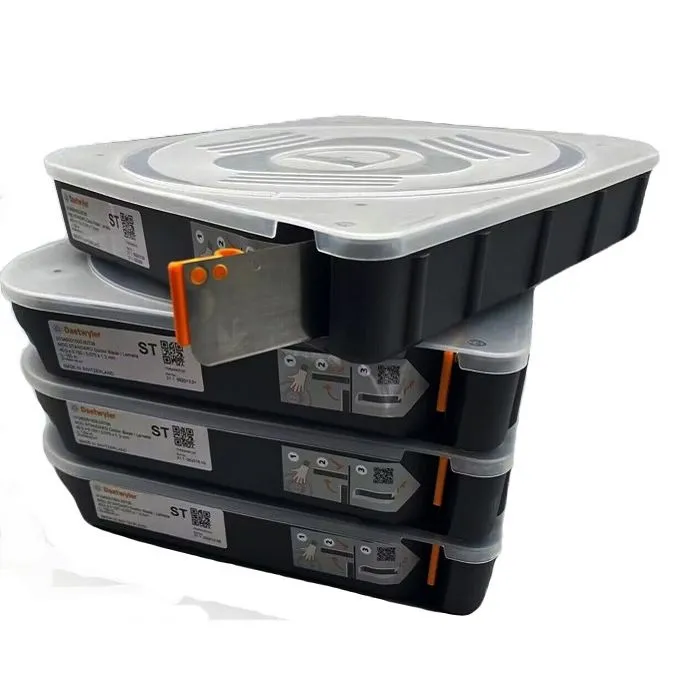
As a supplier of Doctor Blades, I've witnessed firsthand the importance of blade durability in various industrial applications. A durable Doctor Blade not only ensures consistent performance but also reduces downtime and replacement costs. In this blog, I'll share some practical strategies on how to improve the durability of a Doctor Blade.
Understanding the Basics of Doctor Blades
Before delving into the ways to enhance durability, it's essential to understand what a Doctor Blade is and how it functions. A Doctor Blade is a precision tool used in printing, coating, and other industrial processes to remove excess liquid or material from a surface. It typically consists of a thin, flexible blade made of materials such as steel, ceramic, or polymer, which is mounted on a holder and positioned against a rotating roll or cylinder.
The performance of a Doctor Blade depends on several factors, including the material properties, blade geometry, and operating conditions. For instance, the hardness and wear resistance of the blade material play a crucial role in determining its durability. A harder material can withstand more abrasion and wear, but it may also be more brittle and prone to chipping or cracking. On the other hand, a softer material may be more flexible and less likely to damage the surface it is contacting, but it may wear out more quickly.
Selecting the Right Blade Material
One of the most important factors in improving the durability of a Doctor Blade is selecting the right blade material. As mentioned earlier, different materials have different properties, and choosing the appropriate material for your specific application is crucial. Here are some common blade materials and their characteristics:
- Steel: Steel is a popular choice for Doctor Blades due to its high strength, hardness, and wear resistance. It is suitable for applications where high pressure and high-speed operation are required. However, steel blades may be prone to corrosion and may require regular maintenance to prevent rusting.
- Ceramic: Ceramic blades offer excellent wear resistance and chemical resistance, making them ideal for applications where abrasive materials or harsh chemicals are involved. They are also very hard and can maintain a sharp edge for a long time. However, ceramic blades are brittle and may be more prone to chipping or cracking than steel blades.
- Polymer: Polymer blades are flexible and have a low coefficient of friction, which makes them suitable for applications where gentle contact with the surface is required. They are also resistant to corrosion and can be used in wet or humid environments. However, polymer blades may have lower wear resistance than steel or ceramic blades and may need to be replaced more frequently.
When selecting a blade material, it's important to consider the specific requirements of your application, such as the type of material being removed, the operating speed and pressure, and the environmental conditions. You may also want to consult with a blade supplier or manufacturer to get their recommendations based on your specific needs.
Optimizing Blade Geometry
In addition to selecting the right blade material, optimizing the blade geometry can also improve the durability of a Doctor Blade. The blade geometry refers to the shape and dimensions of the blade, including the blade thickness, width, and bevel angle. Here are some tips on how to optimize the blade geometry:
- Blade Thickness: The blade thickness should be selected based on the specific application and the operating conditions. A thicker blade may be more durable and able to withstand higher pressure, but it may also be less flexible and more likely to damage the surface it is contacting. A thinner blade, on the other hand, may be more flexible and less likely to cause damage, but it may wear out more quickly.
- Blade Width: The blade width should be selected based on the width of the roll or cylinder being used. A wider blade may provide better coverage and more consistent performance, but it may also require more force to operate and may be more prone to vibration. A narrower blade, on the other hand, may be more precise and easier to control, but it may not provide as much coverage.
- Bevel Angle: The bevel angle refers to the angle at which the blade is sharpened. A smaller bevel angle may provide a sharper edge and better cutting performance, but it may also be more prone to chipping or cracking. A larger bevel angle, on the other hand, may be more durable and less likely to cause damage, but it may not provide as sharp an edge.
When optimizing the blade geometry, it's important to consider the specific requirements of your application and to test different geometries to find the one that works best for you. You may also want to consult with a blade supplier or manufacturer to get their recommendations based on your specific needs.
Maintaining Proper Blade Installation and Alignment
Proper blade installation and alignment are also crucial for improving the durability of a Doctor Blade. A poorly installed or misaligned blade can cause uneven wear, premature blade failure, and damage to the surface it is contacting. Here are some tips on how to maintain proper blade installation and alignment:
- Blade Installation: The blade should be installed correctly on the blade holder to ensure proper alignment and secure attachment. The blade should be tightened evenly to prevent it from shifting or vibrating during operation.
- Blade Alignment: The blade should be aligned correctly with the roll or cylinder being used to ensure even contact and consistent performance. The blade should be parallel to the roll or cylinder and should be positioned at the correct angle to achieve the desired cutting or wiping effect.
- Blade Pressure: The blade pressure should be adjusted correctly to ensure that the blade is applying the right amount of force to the surface it is contacting. Too much pressure can cause excessive wear and damage to the blade and the surface, while too little pressure can result in poor performance and incomplete removal of the material.
When installing and aligning the blade, it's important to follow the manufacturer's instructions and to use the appropriate tools and equipment. You may also want to consult with a blade supplier or manufacturer to get their recommendations based on your specific needs.
Regular Maintenance and Inspection
Regular maintenance and inspection are essential for ensuring the durability of a Doctor Blade. By performing regular maintenance and inspection, you can identify and address any issues before they become serious problems. Here are some tips on how to maintain and inspect your Doctor Blade:
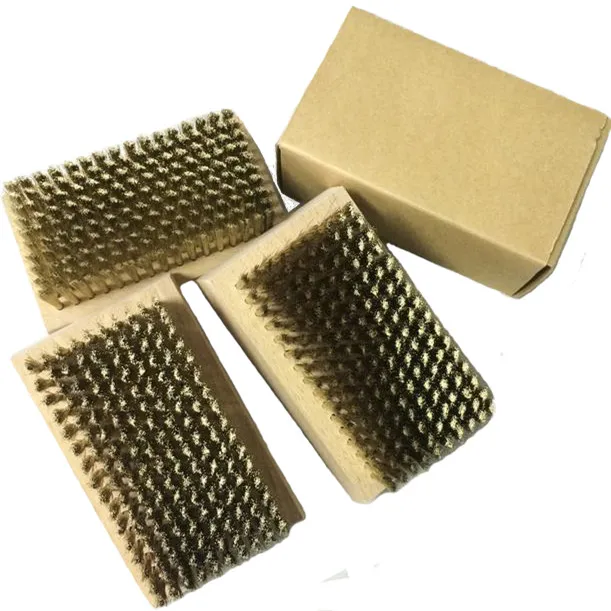
- Cleaning: The blade should be cleaned regularly to remove any dirt, debris, or material buildup. You can use a soft brush or cloth to clean the blade, and you may also want to use a mild detergent or solvent to remove any stubborn stains or deposits.
- Sharpening: The blade should be sharpened regularly to maintain its cutting edge and performance. You can use a sharpening stone or a blade sharpener to sharpen the blade, and you should follow the manufacturer's instructions to ensure that the blade is sharpened correctly.
- Inspection: The blade should be inspected regularly for signs of wear, damage, or corrosion. You can use a magnifying glass or a microscope to inspect the blade, and you should look for any cracks, chips, or other defects. If you notice any signs of wear or damage, you should replace the blade immediately to prevent further damage or failure.
When performing maintenance and inspection, it's important to follow the manufacturer's instructions and to use the appropriate tools and equipment. You may also want to consult with a blade supplier or manufacturer to get their recommendations based on your specific needs.
Using Complementary Tools and Equipment
In addition to the strategies mentioned above, using complementary tools and equipment can also improve the durability of a Doctor Blade. For example, using a Knurling Tool can help to improve the grip and stability of the blade, while using a Brush To Metal Anilox Roller can help to clean and maintain the surface of the roll or cylinder.
When using complementary tools and equipment, it's important to ensure that they are compatible with the Doctor Blade and the specific application. You may also want to consult with a blade supplier or manufacturer to get their recommendations based on your specific needs.
Conclusion
Improving the durability of a Doctor Blade is essential for ensuring consistent performance, reducing downtime, and lowering replacement costs. By selecting the right blade material, optimizing the blade geometry, maintaining proper blade installation and alignment, performing regular maintenance and inspection, and using complementary tools and equipment, you can extend the lifespan of your Doctor Blade and improve its performance.
If you're interested in learning more about Doctor Blades or if you're looking for a reliable supplier of Doctor Blades, please feel free to contact us. We're here to help you find the right solution for your specific needs.
References
- [Some relevant industry research report on blade materials]
- [Manufacturer's technical documentation on Doctor Blades]
- [Industry best - practices guide for blade maintenance]