


Hey there! As a supplier of micro gravure rolls, I've been thinking a lot about the environmental impact of these nifty little things. So, let's dive right in and explore what using a micro gravure roll means for our planet.
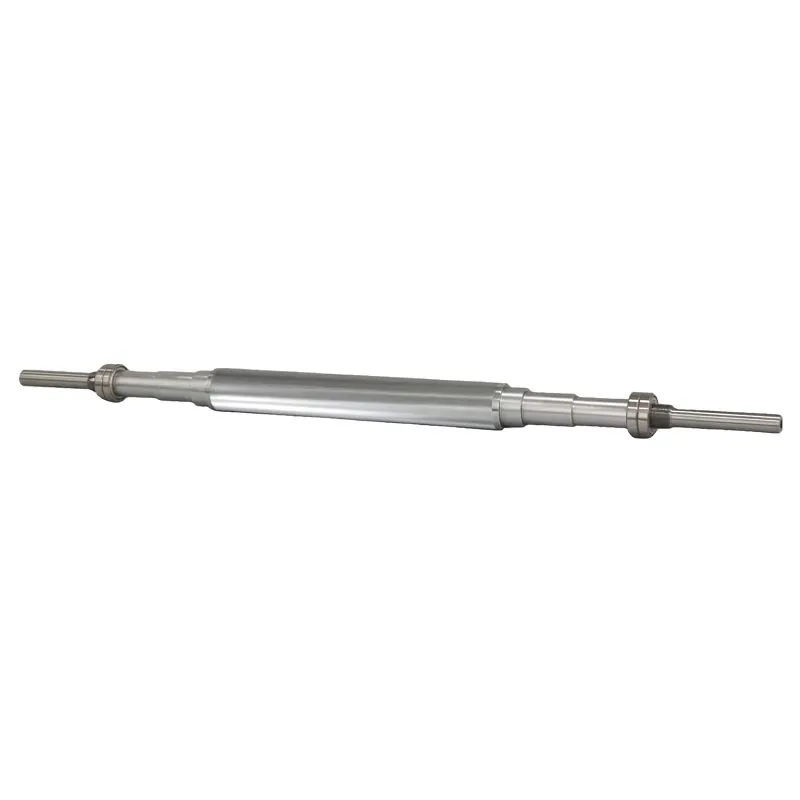
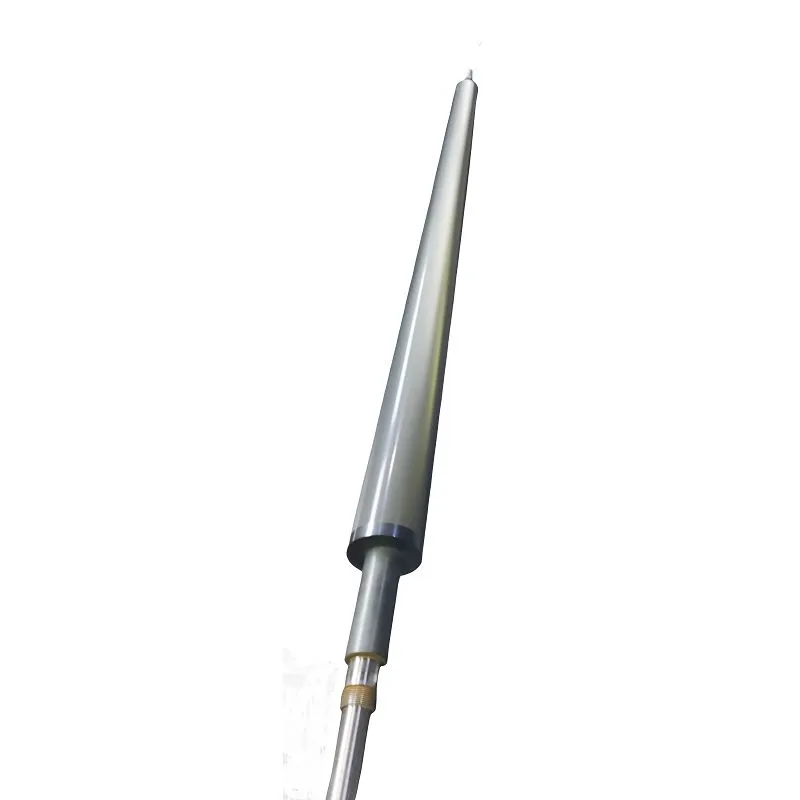
First off, what exactly is a micro gravure roll? Well, it's a precision-engineered cylinder with tiny cells engraved on its surface. These cells are used to transfer a precise amount of ink, coating, or adhesive onto a substrate, like paper, plastic, or metal. Micro gravure rolls are used in a wide range of industries, from packaging to film coating, and they play a crucial role in creating high-quality products.
Now, let's talk about the environmental impact. One of the biggest benefits of using a micro gravure roll is its efficiency. Because the cells on the roll are so precisely engraved, they can deliver a very accurate amount of ink or coating. This means less waste, as you're not over-applying the material. In traditional printing methods, a lot of ink can end up being wasted, either because it's over-applied or because it's not evenly distributed. With a micro gravure roll, you can minimize this waste and use only what you need.
Another environmental advantage is the potential for using more eco-friendly inks and coatings. As the demand for sustainable products grows, many manufacturers are developing inks and coatings that are made from renewable resources or have a lower environmental impact. Micro gravure rolls can work well with these eco-friendly materials, allowing companies to produce more sustainable products.
However, it's not all sunshine and rainbows. There are also some environmental challenges associated with micro gravure rolls. For example, the manufacturing process of these rolls can be energy-intensive. Engraving the tiny cells on the roll requires precision machinery, which consumes a significant amount of electricity. Additionally, the materials used to make the rolls, such as steel or ceramic, need to be mined and processed, which can have a negative impact on the environment.
Let's take a closer look at some of the different types of micro gravure rolls and their environmental implications.
Packaging Micro Gravure Roll
The Packaging Micro Gravure Roll is widely used in the packaging industry. In this sector, reducing waste is crucial. By using a micro gravure roll, packaging manufacturers can ensure that they're applying the right amount of ink or coating to their products. This not only reduces waste but also improves the quality of the packaging. For example, a well-coated package is more likely to protect its contents and have a longer shelf life, which can reduce the need for frequent replacements.
However, the packaging industry also generates a large amount of waste. While micro gravure rolls can help reduce the amount of ink and coating waste, the packaging materials themselves, such as plastic and paper, still need to be managed properly. Recycling and composting initiatives are important to minimize the environmental impact of packaging waste.
Film Coating Micro Gravure Roll
The Film Coating Micro Gravure Roll is used in the production of films for various applications, such as food packaging, electronics, and medical devices. These rolls can provide a very thin and uniform coating, which is essential for the performance of the film. By using a micro gravure roll, manufacturers can reduce the amount of coating material needed, which in turn reduces waste.
But again, the manufacturing process of the film itself can have environmental consequences. Many films are made from plastic, which is derived from fossil fuels. To mitigate this, some manufacturers are exploring the use of biodegradable or compostable films. Micro gravure rolls can be used with these more sustainable materials, helping to reduce the environmental impact of the film coating process.
Ceramic Micro Gravure Roll
The Ceramic Micro Gravure Roll is known for its durability and precision. Ceramic rolls can withstand high temperatures and harsh chemicals, making them suitable for a variety of applications. However, the production of ceramic materials can be energy-intensive and may involve the use of hazardous substances.
On the positive side, because ceramic rolls are so durable, they have a longer lifespan compared to other types of rolls. This means that they don't need to be replaced as often, which reduces the overall environmental impact associated with manufacturing new rolls.
So, what can we do to minimize the environmental impact of using micro gravure rolls? Here are some suggestions:
- Energy Efficiency: Manufacturers can invest in energy-efficient machinery and processes to reduce the energy consumption during the production of micro gravure rolls. This can include using renewable energy sources, such as solar or wind power.
- Recycling and Reuse: Encourage the recycling of used micro gravure rolls. Many of the materials, such as steel and ceramic, can be recycled and used to make new rolls. Additionally, some parts of the rolls may be reusable, which can further reduce waste.
- Sustainable Materials: Promote the use of eco-friendly inks, coatings, and substrates. As mentioned earlier, there are many sustainable options available in the market, and micro gravure rolls can work well with these materials.
- Education and Awareness: Raise awareness among customers and industry professionals about the environmental impact of micro gravure rolls and the importance of sustainable practices. This can lead to more informed decision-making and the adoption of more sustainable solutions.
In conclusion, while micro gravure rolls offer many benefits in terms of efficiency and quality, they also have some environmental challenges. As a supplier, I'm committed to working with my customers to find ways to minimize these impacts. By using more sustainable materials, improving energy efficiency, and promoting recycling and reuse, we can make the use of micro gravure rolls more environmentally friendly.
If you're interested in learning more about our micro gravure rolls or have any questions about their environmental impact, feel free to reach out. We're always happy to discuss how we can help you meet your production needs while also being environmentally responsible. Let's work together to create a more sustainable future!
References
- "Sustainable Printing Technologies" - A research report on the environmental impact of different printing methods.
- "Advances in Micro Gravure Coating" - A technical paper discussing the latest developments in micro gravure roll technology.
- "Environmental Impact of Packaging Materials" - An article exploring the environmental consequences of different packaging materials and how to reduce waste.