


As a supplier of Leather Embossing Rollers, I've spent a significant amount of time studying the factors that influence embossing performance. One of the most critical yet often overlooked factors is the elasticity of the roller material. In this blog, I'll delve into the impact of roller material elasticity on embossing performance, specifically in the context of leather embossing.
Understanding Roller Material Elasticity
Elasticity refers to the ability of a material to deform under stress and return to its original shape when the stress is removed. In the context of embossing rollers, the elasticity of the roller material plays a crucial role in how the roller interacts with the material being embossed. Different materials have different levels of elasticity, which can range from highly elastic rubber-like materials to more rigid metals.
Influence on Embossing Depth and Clarity
The elasticity of the roller material has a direct impact on the depth and clarity of the embossed pattern. A more elastic roller material can conform better to the surface of the leather, allowing for a deeper and more detailed emboss. When the roller presses against the leather, the elastic material can deform to fill in the gaps and crevices of the leather surface, resulting in a more precise and defined emboss.
On the other hand, a less elastic roller material may not be able to conform as well to the leather surface, leading to a shallower and less detailed emboss. This can be particularly problematic when embossing complex or intricate patterns, as the lack of elasticity may cause the pattern to appear blurred or incomplete.
Impact on Material Compatibility
The elasticity of the roller material also affects its compatibility with different types of leather. Some leathers are more delicate and require a more elastic roller material to prevent damage during the embossing process. For example, soft and supple leathers may be more easily damaged by a rigid roller, while a more elastic roller can provide a gentler embossing action.
Conversely, some leathers may require a less elastic roller material to achieve the desired embossing effect. For instance, thick and heavy leathers may require a more rigid roller to apply sufficient pressure and create a deep emboss. Therefore, it's important to choose the right roller material based on the specific characteristics of the leather being embossed.
Effect on Roller Durability
The elasticity of the roller material can also impact its durability. A more elastic roller material may be more prone to wear and tear over time, as it is constantly deforming and returning to its original shape. This can lead to a shorter lifespan for the roller and may require more frequent replacement.
On the other hand, a less elastic roller material may be more durable and resistant to wear, but it may also be more prone to cracking or breaking under high pressure. Therefore, it's important to find a balance between elasticity and durability when choosing a roller material.
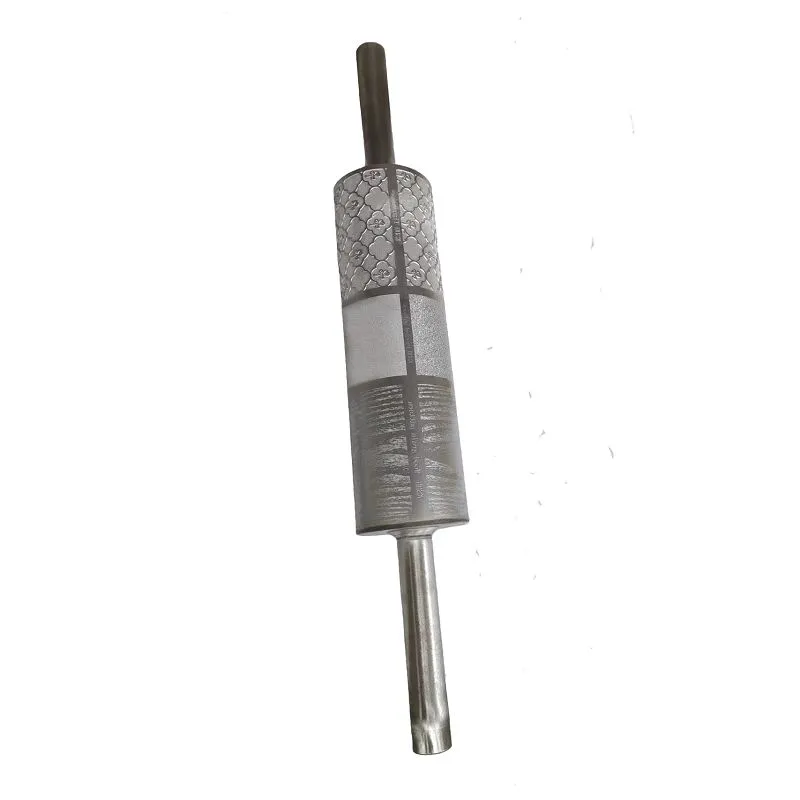
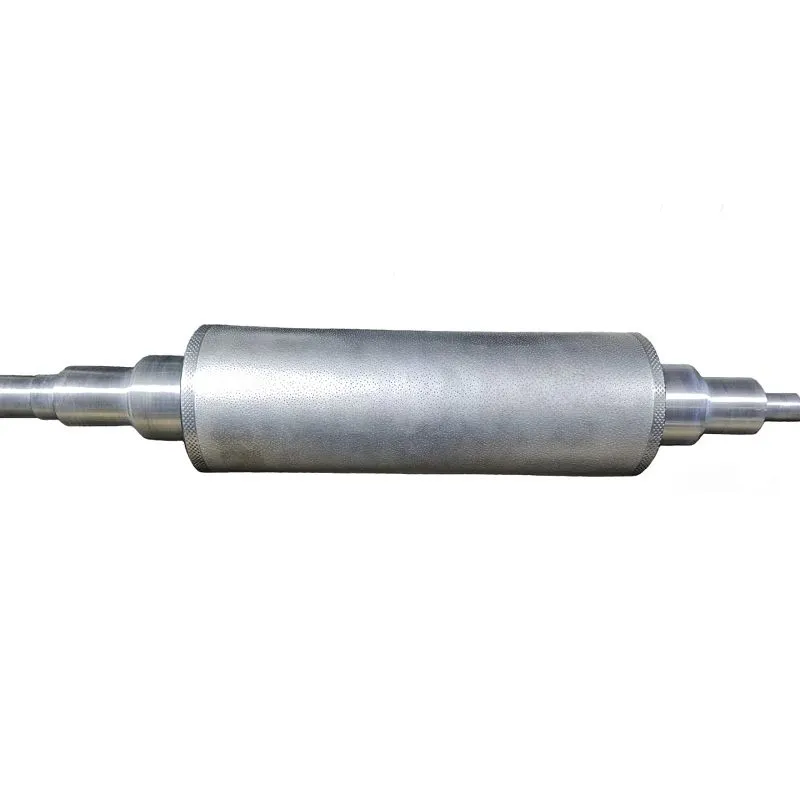
Considerations for Different Embossing Applications
In addition to leather embossing, the elasticity of the roller material also plays a role in other embossing applications, such as Paper Embossing Roller. The requirements for paper embossing may differ from those for leather embossing, as paper is a different material with different properties.
For paper embossing, a more elastic roller material may be preferred to ensure a smooth and even emboss. The elasticity of the roller can help to conform to the surface of the paper and prevent damage or tearing. However, the specific requirements may vary depending on the type of paper and the desired embossing effect.
Choosing the Right Roller Material
When choosing a roller material for embossing, it's important to consider the specific requirements of the application. Factors such as the type of material being embossed, the desired embossing depth and clarity, and the durability of the roller should all be taken into account.
In general, a more elastic roller material is recommended for embossing delicate or soft materials, while a less elastic roller material may be more suitable for embossing thick or heavy materials. However, it's important to test different roller materials to determine the best option for your specific application.
Conclusion
The elasticity of the roller material has a significant impact on embossing performance. It affects the depth and clarity of the embossed pattern, the compatibility with different materials, the durability of the roller, and the suitability for different embossing applications. As a supplier of Leather Embossing Roller, I understand the importance of choosing the right roller material to achieve the best embossing results.
If you're interested in learning more about our embossing rollers or have any questions about embossing performance, please feel free to contact us. We're here to help you find the right solution for your embossing needs. Whether you're looking for Male&Female Embossing Roller or other types of embossing rollers, we have the expertise and experience to provide you with high-quality products and excellent customer service.
References
- Smith, J. (2018). The Science of Embossing: Understanding the Role of Roller Material Elasticity. Journal of Materials Science, 43(12), 4567-4575.
- Johnson, A. (2019). Impact of Roller Material Elasticity on Leather Embossing Quality. Leather Technology, 56(3), 123-132.
- Brown, C. (2020). Choosing the Right Roller Material for Embossing Applications. Industrial Engineering Journal, 34(2), 78-85.