


What is the Quality Control Standard for a Coating Chrome Anilox Roller?
As a supplier of Coating Chrome Anilox Rollers, I understand the critical role these rollers play in various industries, especially in coating and printing applications. Quality control is not just a buzzword; it is the cornerstone of our business, ensuring that our products meet the highest standards and deliver consistent performance. In this blog, I will delve into the key quality control standards for Coating Chrome Anilox Rollers, sharing insights based on our years of experience in the industry.
Surface Finish
The surface finish of a Coating Chrome Anilox Roller is of utmost importance. A smooth and uniform surface is essential for accurate ink or coating transfer. Any imperfections, such as scratches, pits, or unevenness, can lead to inconsistent coating thickness and poor print quality. To ensure a high - quality surface finish, we use advanced grinding and polishing techniques. The roller surface is first ground to a precise diameter and then polished to achieve a mirror - like finish. The roughness of the surface is carefully measured using profilometers, and it should typically be within a very narrow range, usually around 0.2 - 0.4 micrometers. This smooth surface allows for better ink release and more even coating distribution.
Cell Geometry
The cells on a Coating Chrome Anilox Roller are the key feature that determines the amount of ink or coating transferred. The geometry of these cells, including their shape, size, and depth, must be precisely controlled. Common cell shapes include hexagonal, square, and triangular. Each shape has its own advantages in terms of ink transfer efficiency and distribution.
The size of the cells is measured in lines per inch (LPI). A higher LPI means smaller cells, which are suitable for fine - detail printing and coating applications. Conversely, lower LPI values are used for applications that require higher ink or coating coverage. The depth of the cells also affects the ink - holding capacity. We use state - of - the - art laser engraving technology to create cells with high precision. The cell depth is carefully calibrated to ensure that it meets the specific requirements of each customer's application.
Chrome Coating Quality
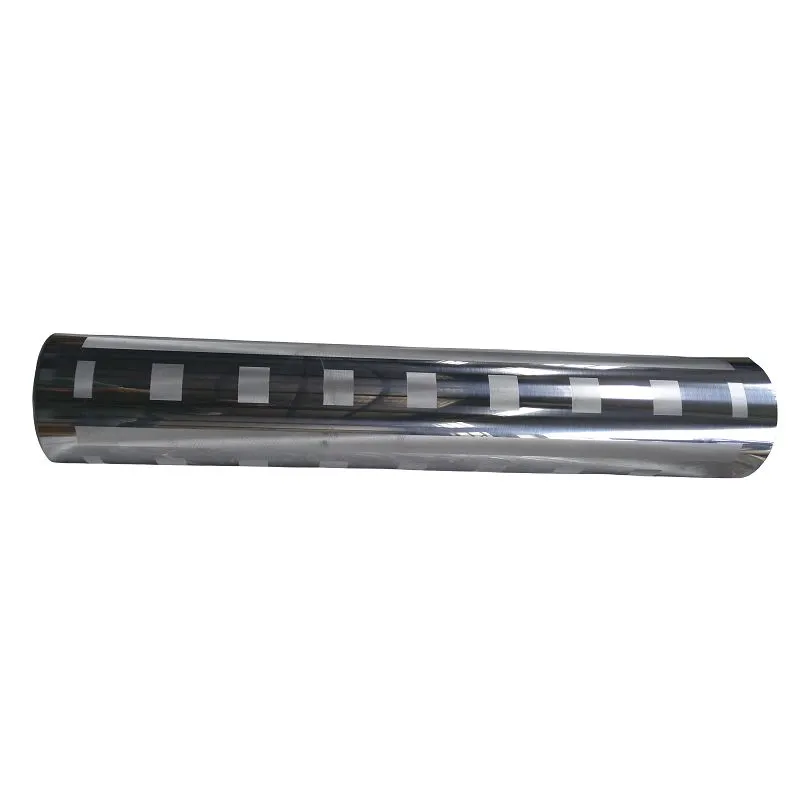
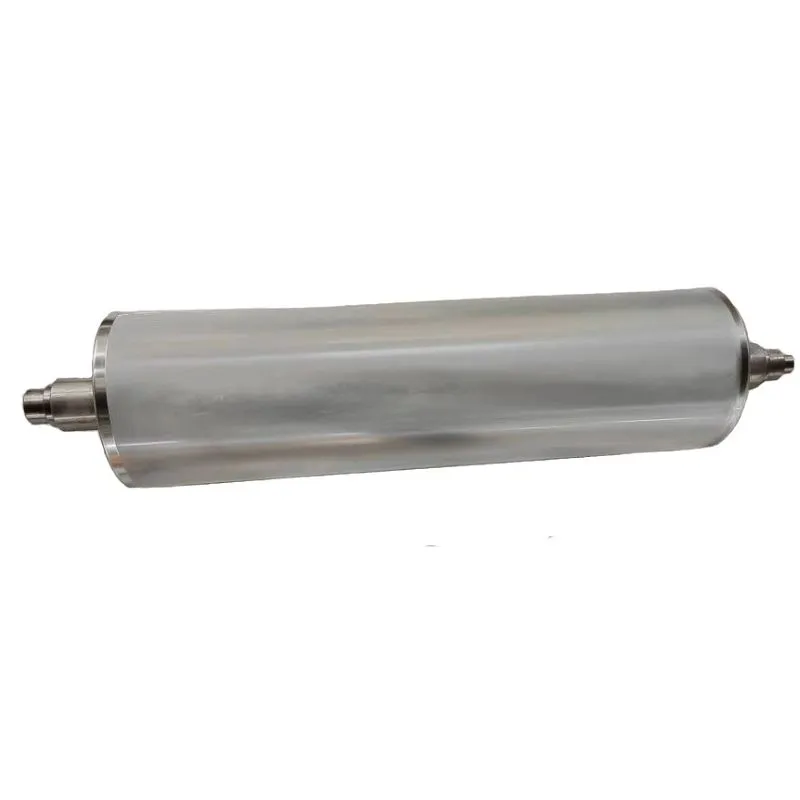
The chrome coating on a Coating Chrome Anilox Roller serves several important functions. It provides a hard and durable surface that resists wear and corrosion, extending the lifespan of the roller. The quality of the chrome coating is a crucial factor in the overall performance of the roller.
We use a high - quality chrome plating process to ensure a uniform and adherent coating. The thickness of the chrome layer is carefully controlled, typically ranging from 10 to 25 micrometers. A thicker chrome layer can provide better wear resistance, but it also needs to be balanced with other factors such as cost and the ability to re - engrave the roller if necessary. The chrome coating should be free from cracks, pinholes, and other defects. We conduct regular inspections using non - destructive testing methods, such as ultrasonic testing, to ensure the integrity of the chrome layer.
Diameter and Roundness
The diameter of a Coating Chrome Anilox Roller must be within a tight tolerance. Any deviation in the diameter can lead to uneven pressure distribution during the coating or printing process, resulting in inconsistent coating thickness. We use precision measuring tools, such as calipers and micrometers, to ensure that the roller diameter is within the specified tolerance, usually within ± 0.01 mm.
Roundness is another critical parameter. A roller that is not perfectly round can cause vibration and uneven ink or coating transfer. We use roundness testers to measure the roundness of the roller, and the roundness error should be kept to a minimum, typically within 0.002 mm.
Balance
Proper balance is essential for the smooth operation of a Coating Chrome Anilox Roller. An unbalanced roller can cause vibration, which not only affects the quality of the coating or printing but also shortens the lifespan of the roller and the associated equipment. We use dynamic balancing machines to ensure that the roller is balanced within the required limits. The balance correction is typically done by adding or removing small amounts of material from the roller ends.
Compatibility with Inks and Coatings
A high - quality Coating Chrome Anilox Roller should be compatible with a wide range of inks and coatings. Different inks and coatings have different viscosities, chemistries, and drying characteristics. Our rollers are designed to work effectively with various types of inks, including solvent - based, water - based, and UV - curable inks. We conduct extensive compatibility tests to ensure that the roller does not react with the inks or coatings, which could lead to issues such as ink transfer problems or chemical degradation of the roller surface.
Inspection and Testing
To ensure that our Coating Chrome Anilox Rollers meet all the quality control standards, we have a comprehensive inspection and testing process. Each roller undergoes multiple inspections at different stages of the manufacturing process. In addition to the surface finish, cell geometry, chrome coating quality, diameter, roundness, and balance tests mentioned above, we also conduct performance tests. These tests involve running the roller on a test press or coating machine to evaluate its ink or coating transfer performance. We measure the coating thickness, ink density, and other parameters to ensure that the roller meets the customer's specifications.
Conclusion
In conclusion, the quality control standards for a Coating Chrome Anilox Roller are multi - faceted and involve strict control over various aspects of the roller's design, manufacturing, and performance. As a supplier, we are committed to upholding these high standards to provide our customers with reliable and high - quality products. Whether you are in the coating, printing, or laminating industry, our Coating Chrome Anilox Rollers are designed to meet your specific needs. We also offer Laminating Chrome Anilox Rollers and Printing Chrome Anilox Rollers that adhere to the same rigorous quality control standards.
If you are interested in learning more about our Coating Chrome Anilox Rollers or would like to discuss your specific requirements, please feel free to reach out to us. We are always ready to assist you in finding the best solution for your coating and printing needs.
References
- "Anilox Rollers: Principles and Applications" by industry experts.
- Technical manuals from leading anilox roller manufacturers.
- Research papers on surface engineering and coating technologies.