


Hey there! As a supplier of ceramic anilox rollers, I've been getting a lot of questions lately about the relationship between the line count and cell volume of these rollers. So, I thought I'd take a moment to break it down for you.
First off, let's talk about what a ceramic anilox roller is. These rollers are a crucial part of the printing process, especially in industries like label printing. They're used to transfer ink from the ink fountain to the printing plate. The cells on the surface of the roller hold the ink, and the amount of ink transferred depends on the cell volume.
Now, let's get into the line count. The line count refers to the number of lines per inch (lpi) on the surface of the anilox roller. A higher line count means more lines per inch, which generally results in smaller cells. Conversely, a lower line count means fewer lines per inch and larger cells.
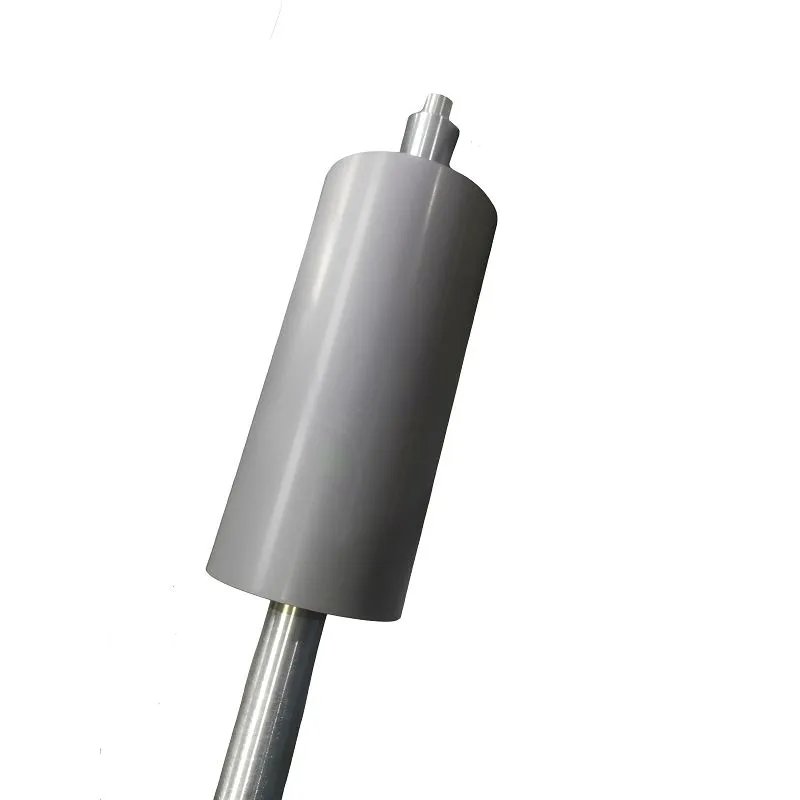
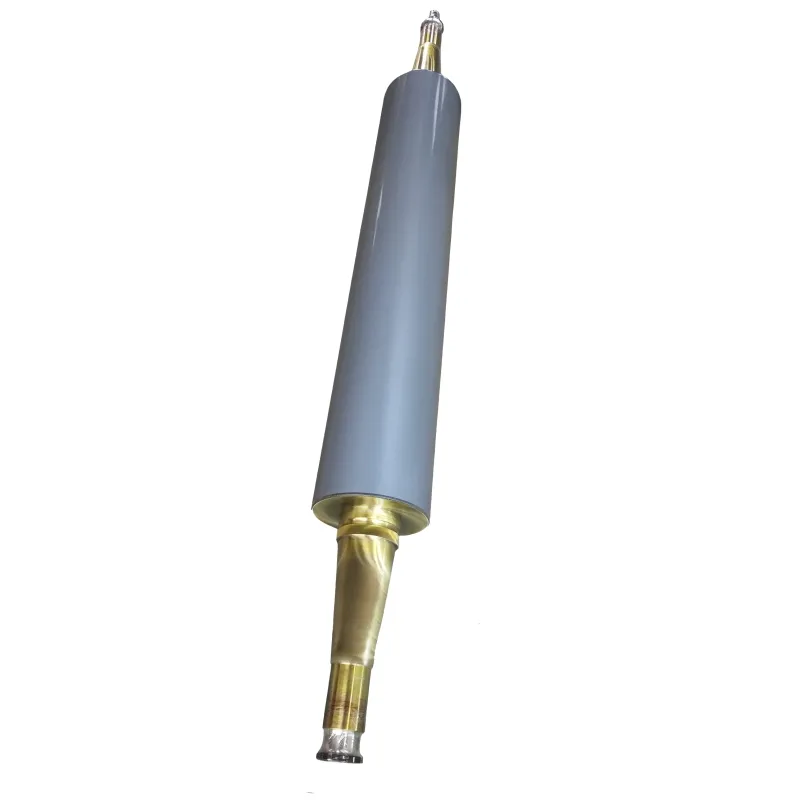
So, what's the relationship between the line count and cell volume? Well, it's pretty straightforward. As the line count increases, the cell volume decreases. This is because there's less space for each cell when there are more lines packed into an inch. On the other hand, when the line count is lower, there's more room for each cell, so the cell volume is larger.
Let's think about this in the context of printing. If you're printing high - resolution images or fine details, you'll probably want a higher line count. The smaller cells can hold less ink, but they can also provide a more precise transfer of ink, resulting in sharper and more detailed prints. For example, in Label Printing Ceramic Anilox Roller, a high line - count roller is often used to achieve those crisp labels with tiny text and intricate designs.
However, if you're printing solid colors or large areas of ink coverage, a lower line count with larger cell volumes might be more suitable. The larger cells can hold more ink, allowing for a more even and saturated coverage of the printing surface. For instance, when using a Seamless Steel Ceramic Anilox Roller for large - scale printing jobs, a lower line count can ensure that the ink is spread evenly across the surface.
Another factor to consider is the type of ink being used. Different inks have different viscosities and flow characteristics. Thicker inks might require larger cell volumes to be properly transferred, so a lower line count would be better. Thinner inks, on the other hand, can work well with smaller cells and higher line counts.
We also offer Aluminum Alloy Ceramic Anilox Roller, which has its own unique properties. The material of the roller can also affect how the line count and cell volume interact with the printing process. Aluminum alloy rollers are lightweight and can be a great choice for certain printing applications, and the right combination of line count and cell volume can optimize their performance.
When it comes to choosing the right line count and cell volume for your ceramic anilox roller, it's not just about the technical details. It's also about understanding your specific printing needs. You need to consider the type of printing job, the quality of the final product you're aiming for, and the characteristics of the ink you're using.
If you're still not sure which combination is best for you, don't worry. That's where we come in. As a supplier of ceramic anilox rollers, we have a team of experts who can help you make the right decision. We've been in the business for a long time, and we've seen all kinds of printing scenarios. We can analyze your requirements and recommend the perfect line count and cell volume for your project.
Whether you're a small - scale printer looking to improve the quality of your labels or a large - scale printing company in need of high - performance rollers, we've got you covered. Our ceramic anilox rollers are made with the highest quality materials and the latest manufacturing techniques to ensure optimal performance and durability.
So, if you're interested in learning more about our ceramic anilox rollers or need help choosing the right line count and cell volume for your printing needs, don't hesitate to reach out. We're here to assist you every step of the way. Let's work together to take your printing to the next level!
References
- Industry research on anilox roller technology
- Internal product data and testing results from our manufacturing process