


In the realm of printing technology, the Metal Anilox Roller stands as a cornerstone, playing a pivotal role in ensuring high - quality and efficient printing processes. As a trusted Metal Anilox Roller supplier, I am often confronted with various inquiries from clients regarding the factors that influence the performance of these rollers. One such critical question is: What is the influence of the roller length on the printing area with a Metal Anilox Roller?
Understanding the Metal Anilox Roller
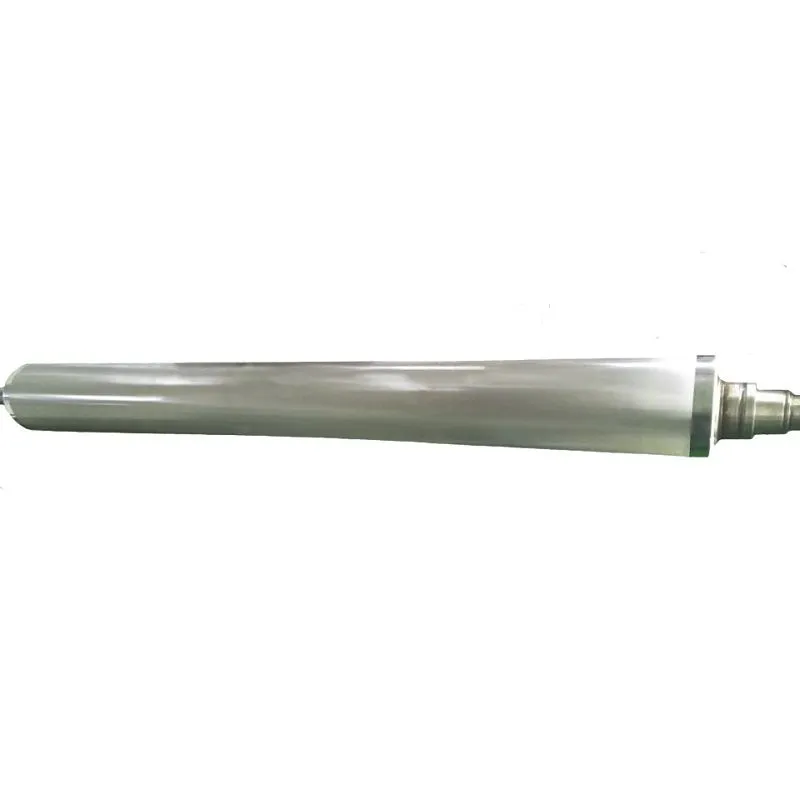
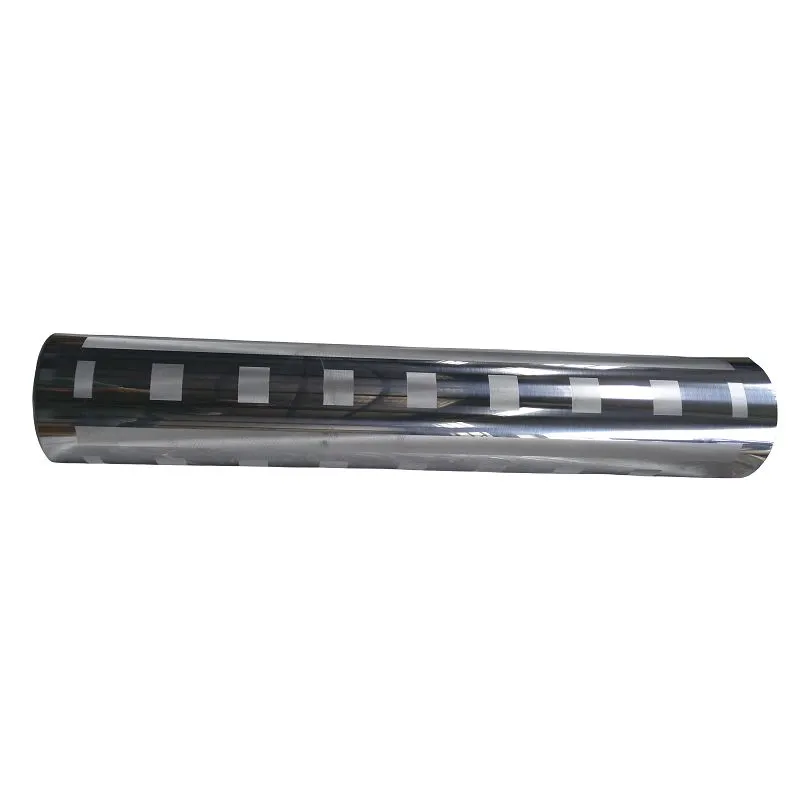
Before delving into the impact of roller length, it's essential to understand what a Metal Anilox Roller is. A Metal Anilox Roller is a precision - engineered cylinder with a surface engraved with a pattern of tiny cells. These cells are designed to hold and transfer a specific amount of ink or coating onto the printing substrate. The precision of the cell geometry and the material properties of the roller determine its performance. There are different types of Metal Anilox Rollers, such as Electronic Engraving Anilox Roller, Coating Chrome Anilox Roller, Laminating Chrome Anilox Roller, and Printing Chrome Anilox Roller. Each type is tailored to specific printing and coating applications.
The Relationship between Roller Length and Printing Area
The length of a Metal Anilox Roller has a direct and significant impact on the printing area. In simple terms, the longer the roller, the larger the printing area it can cover in a single pass. This relationship is fundamental in determining the efficiency and productivity of the printing process.
1. Productivity Enhancement
A longer Metal Anilox Roller allows for a wider printing area, which means that more material can be printed in one go. For large - scale printing operations, such as those in the packaging industry, this can lead to a substantial increase in productivity. Instead of making multiple passes to cover a large surface, a single pass with a longer roller can achieve the same result. This not only saves time but also reduces the wear and tear on the printing equipment, leading to lower maintenance costs in the long run.
2. Consistency in Printing
When using a longer roller, the ink or coating is applied more evenly across the printing area. This is because the roller has a larger surface area to distribute the ink, reducing the chances of uneven application. In contrast, a shorter roller may require multiple passes, which can result in slight variations in the ink thickness between passes. This consistency is crucial for high - quality printing, especially in applications where color accuracy and uniformity are essential, such as in the printing of labels and high - end packaging.
3. Flexibility in Printing
A longer Metal Anilox Roller provides more flexibility in terms of the types of materials and sizes that can be printed. It can accommodate larger substrates, allowing printers to take on a wider range of projects. For example, in the printing of large - format posters or banners, a longer roller can cover the entire width of the material in one pass, eliminating the need for stitching or patching multiple printed sections together.
Limitations and Considerations
While a longer roller offers many advantages, there are also some limitations and considerations that need to be taken into account.
1. Cost
Longer Metal Anilox Rollers are generally more expensive to manufacture. This is due to the increased amount of material required and the higher precision needed in the engraving process. Additionally, the cost of shipping and handling a longer roller is also higher. Therefore, when considering the use of a longer roller, printers need to weigh the benefits against the additional cost.
2. Equipment Compatibility
Not all printing presses are designed to accommodate longer rollers. Printers need to ensure that their existing equipment can handle the increased length and weight of the roller. If the equipment is not compatible, modifications may be required, which can add to the overall cost.
3. Maintenance
Longer rollers may require more frequent maintenance. The larger surface area means that there is a greater chance of damage or wear, and the cleaning process may be more complex. Printers need to have a proper maintenance plan in place to ensure the longevity and performance of the roller.
Case Studies
To illustrate the impact of roller length on the printing area, let's look at a few case studies.
Case Study 1: Packaging Printing
A packaging printing company was facing challenges in meeting the high - volume demands of its clients. The existing Metal Anilox Roller was relatively short, requiring multiple passes to cover the large - sized packaging materials. By switching to a longer roller, the company was able to increase its productivity by 30%. The longer roller also improved the consistency of the ink application, resulting in higher - quality printed products.
Case Study 2: Label Printing
A label printing company was struggling with uneven color distribution in its printed labels. After replacing the shorter roller with a longer one, the problem was resolved. The longer roller provided a more even distribution of ink across the label surface, resulting in more consistent and vibrant colors.
Conclusion
In conclusion, the length of a Metal Anilox Roller has a profound influence on the printing area. A longer roller can enhance productivity, improve printing consistency, and provide more flexibility in printing operations. However, printers need to carefully consider the cost, equipment compatibility, and maintenance requirements before making a decision. As a Metal Anilox Roller supplier, we are committed to providing our clients with the best - suited rollers for their specific needs. If you are interested in learning more about our Metal Anilox Rollers or would like to discuss your printing requirements, please feel free to reach out to us for a procurement discussion.
References
- Smith, J. (2018). "Advances in Anilox Roller Technology". Printing Technology Journal.
- Brown, A. (2019). "The Impact of Roller Dimensions on Printing Quality". Packaging and Printing Research.
- Johnson, R. (2020). "Optimizing Printing Processes with Metal Anilox Rollers". Industrial Printing Review.