


Hey there, fellow flexographic printing enthusiasts! I'm an Aluminium - based Anilox Sleeve supplier, and today I wanna chat about whether Aluminium - based Anilox Sleeves can be used in flexographic printing.
First off, let's get a bit of a background on flexographic printing. It's a popular printing method used in a whole bunch of industries, from packaging to labels. In this process, ink is transferred from an anilox roll to the printing plate and then onto the substrate. The anilox roll is crucial as it controls the amount of ink that gets transferred.
Now, let's talk about Aluminium - based Anilox Sleeves. These sleeves are made with an aluminium core, which gives them some unique properties. One of the big advantages is their durability. Aluminium is a tough material that can withstand the wear and tear of the printing process. This means that the sleeves have a longer lifespan, which can save you money in the long run. You won't have to replace them as often as some other types of sleeves.
Another great thing about Aluminium - based Anilox Sleeves is their precision. They can be manufactured with very accurate cell geometries. The cells on the sleeve hold the ink, and the size and shape of these cells determine how much ink is transferred. With aluminium - based sleeves, we can achieve a high level of consistency in cell dimension, which leads to more consistent printing results. You'll get sharp, clear images every time.
In terms of compatibility, Aluminium - based Anilox Sleeves work well with a variety of inks. Whether you're using water - based inks, solvent - based inks, or UV inks, these sleeves can handle it. This flexibility is a huge plus for printers who work with different types of inks depending on the job.
But wait, there are other types of anilox sleeves out there too, like the Composite Material Anilox Sleeve. Composite material sleeves are known for their light weight and good chemical resistance. They're a popular choice for some printers, especially when weight is a concern. However, they might not have the same level of durability as aluminium - based sleeves.
Then there's the Light Weight Anilox Sleeve. As the name suggests, these sleeves are light, which can make them easier to handle during installation and removal. But again, they might be more prone to damage compared to aluminium - based sleeves.
The Fiber Glass Anilox Sleeve is another option. Fiber glass has good mechanical properties, but it can be brittle in some cases. Aluminium - based sleeves offer a better balance between strength and flexibility.
Now, let's touch on the high - end High Line Count Anilox Sleeve. These sleeves are used for printing fine details and high - quality images. Aluminium - based Anilox Sleeves can also be made into high - line - count variants. Our advanced manufacturing techniques allow us to create sleeves with a high number of cells per inch, which is essential for printing those intricate designs.
When it comes to installation, Aluminium - based Anilox Sleeves are relatively easy to put on and take off. Their design allows for a secure fit on the anilox roll, and they can be quickly swapped out if you need to change the ink or the cell volume. This means less downtime for your printing press, which is always a good thing.
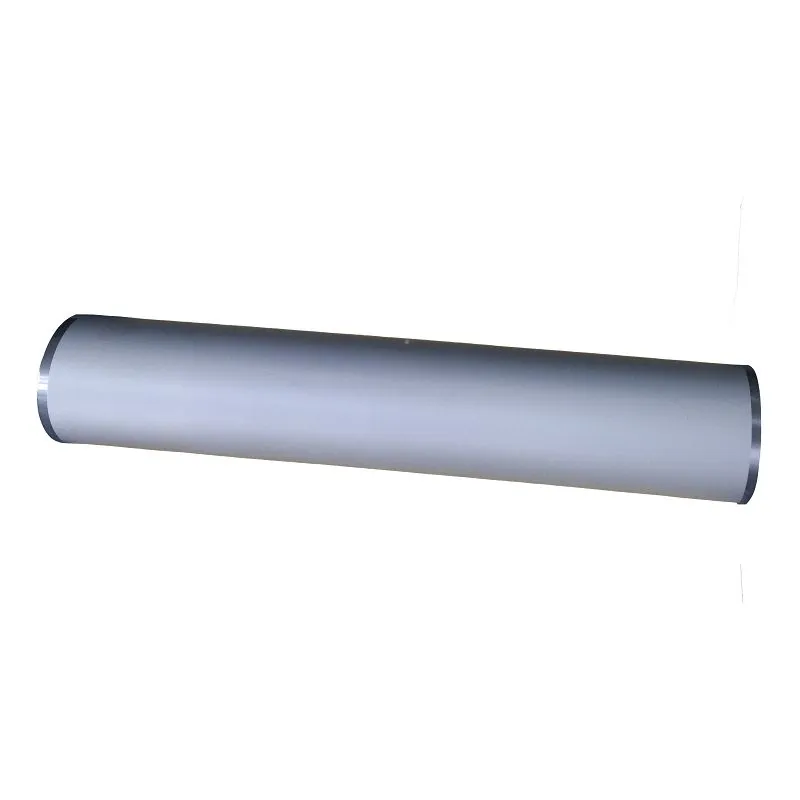
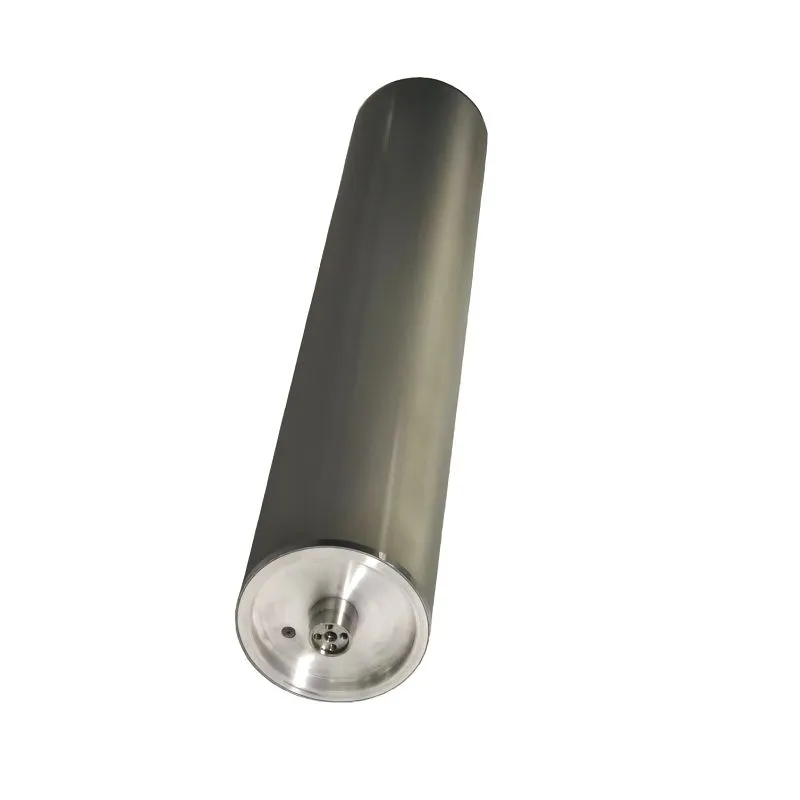
Maintenance is also important in the printing industry. Aluminium - based sleeves are easy to clean. You can use standard cleaning methods and chemicals, and they'll be good as new in no time. This helps to keep the ink transfer consistent and ensures that your prints look great.
In my experience as a supplier, I've seen many printers make the switch to Aluminium - based Anilox Sleeves and be really happy with the results. They've noticed an improvement in print quality, a reduction in costs due to the longer lifespan of the sleeves, and an overall smoother printing process.
If you're still on the fence about whether Aluminium - based Anilox Sleeves are right for your flexographic printing needs, I encourage you to give them a try. We offer a range of options, and we can work with you to find the perfect sleeve for your specific requirements. Whether you're printing on paper, plastic, or any other substrate, our Aluminium - based Anilox Sleeve can deliver great results.
If you're interested in learning more or want to start a purchase negotiation, don't hesitate to reach out. We're here to help you take your flexographic printing to the next level.
References
- Smith, J. (2020). "Advances in Anilox Technology for Flexographic Printing". Printing Industry Journal.
- Johnson, A. (2021). "Comparative Study of Different Anilox Sleeve Materials". Packaging and Labeling Research.