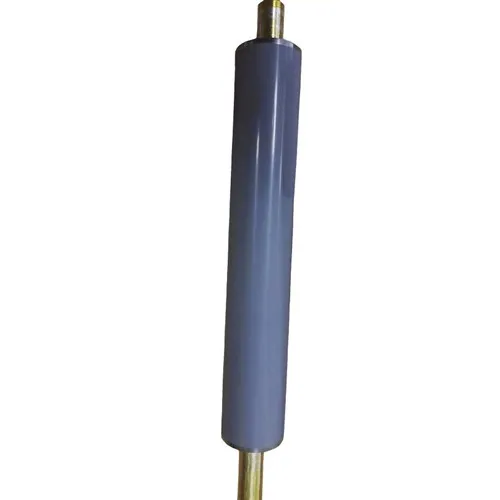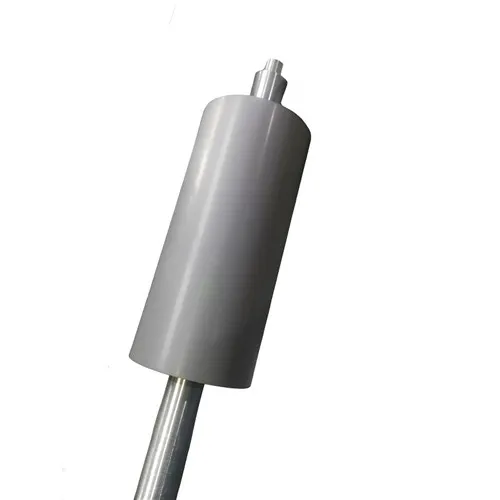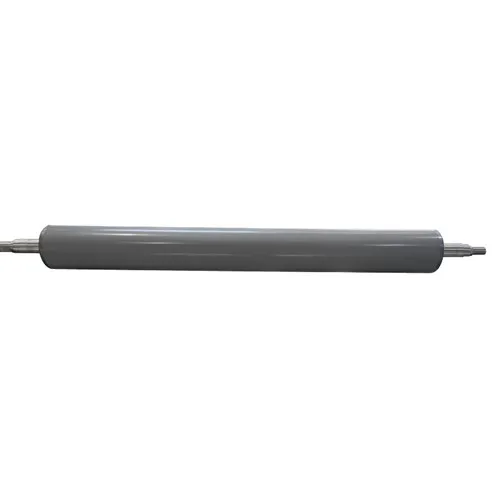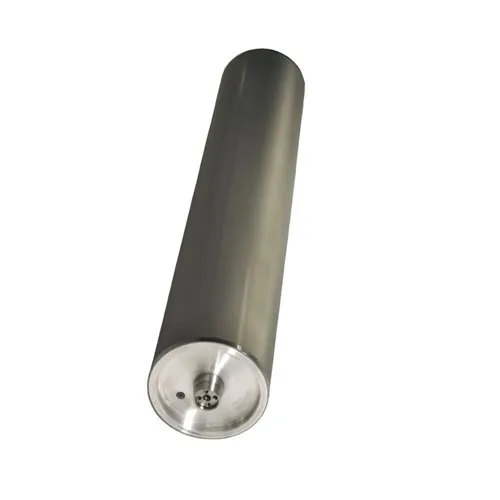
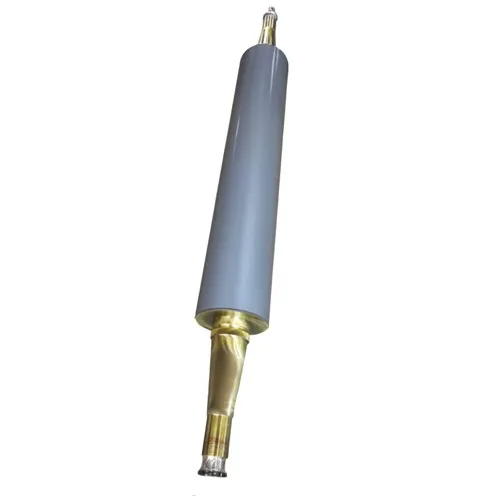
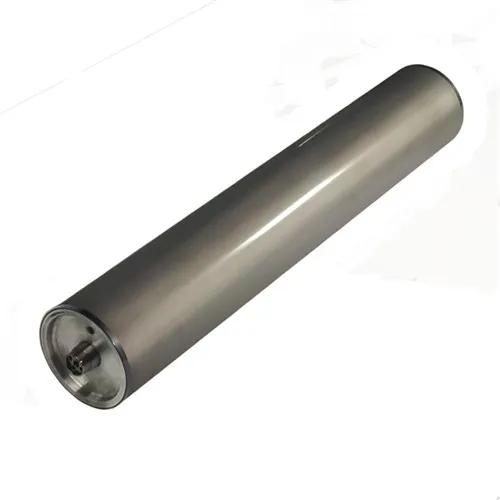
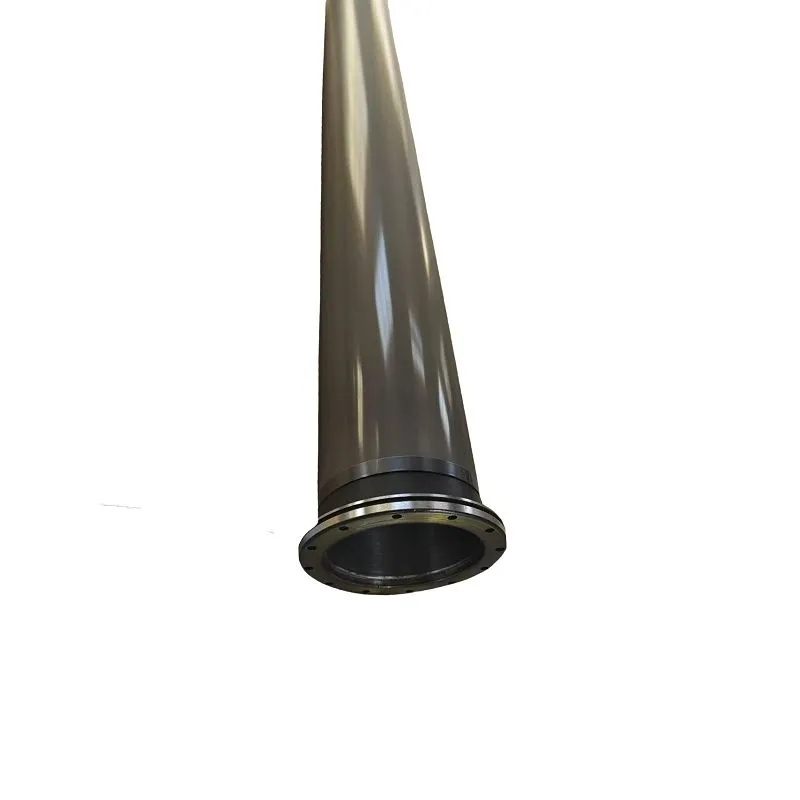

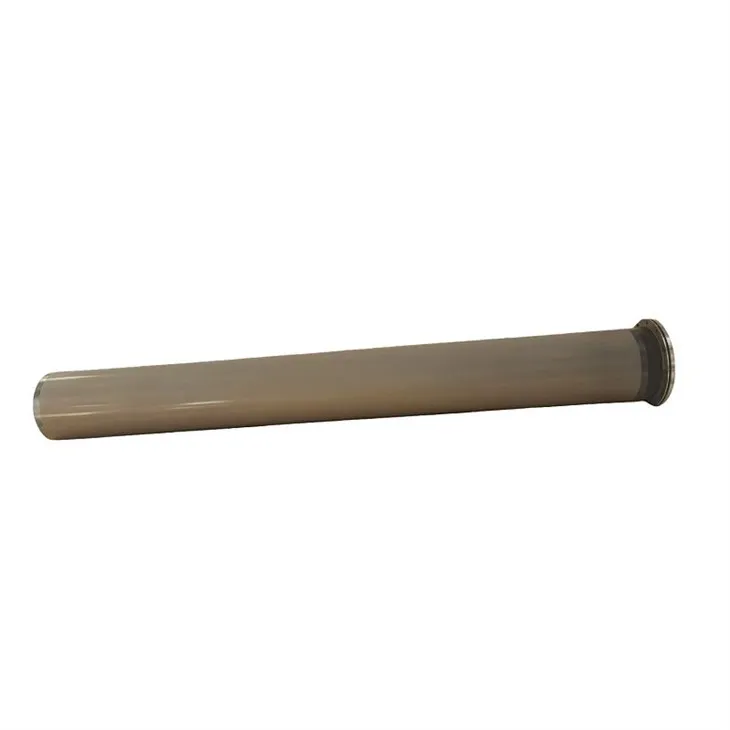
The Laminating Ceramic Anilox Roller is a high-precision metering roller that combines the strength of stainless steel with the wear resistance of ceramics. It is primarily used in flexographic printing, coating, and glazing processes.
Why Choose Ceramic Anilox Roller
|
Surface hardness |
1200-1300 HV |
800-900 HV |
|
Wear resistance |
high, 3-5 years |
several months to a year |
|
Corrosion resistance |
Excellent, resistant to all ink solvents |
Poor, easily corroded by UV/water-based ink |
|
Carving precision |
Up to 2000 LPI, with perfect mesh pattern |
Generally limited to below 800 LPI, prone to burrs |
|
Ink transfer stability |
Long time Maintain constancy |
The ink quantity decreases significantly with wear and tear |
Structure and Process
*Base roller processing
Use 45# Seamless steel tubes as the base material, which undergoes precision cutting and welding of the shaft head. Stress relief annealing is required to eliminate internal stress caused by processing and welding, preventing fractures in future use.
*Ceramic spraying
Spraying ceramic materials such as chromium oxide onto the surface of steel pipes through plasma spraying technology. The high-quality ceramic layer can achieve hardness of HV1200-1350.
*Laser engraving
Specific mesh holes (shape, line per inch (LPI), black color capacity (BCM)) are engraved on the ceramic layer using high-precision laser.
*Sealing treatment
To prevent the ink solvent from infiltrating and corroding the steel pipe substrate through the tiny pores of the ceramic layer, good products undergo nanoscale sealing treatment, applying special sealing agents to enhance corrosion resistance.
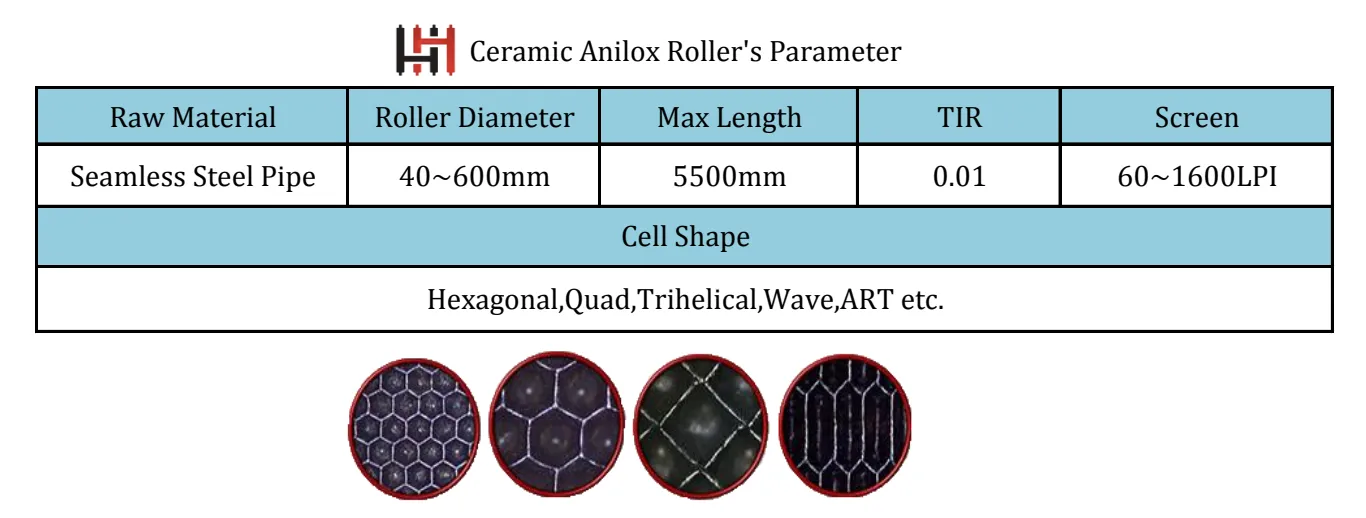
product superiority
High Efficiency, Energy Saving and Long Service Life
Ultra-high hardness and longevity
The hardness of the ceramic layer reaches HV1200-1350, with a wear resistance typically exceeding 3 million meters, and high-quality products can achieve over 10 million meters.
High-precision ink delivery
Utilizing fiber laser engraving imported from ALE in the UK or Germany, the entire plate exhibits minimal differences in dot size, with an ink quantity error of less than 3%, ensuring color consistency.
Chemical resistance
Spraying a super-strong nickel-chromium alloy base layer and performing nanoscale sealing, the corrosion resistance is improved by more than 300% compared to ordinary chrome-plated rollers.
Application Scenarios
Common Issues and Maintenance
T Blockage and Wear: The blockage of screen holes is the primary cause of color density reduction. Given that the hardness of ceramics is significantly higher than that of the squeegee, wear is typically minimal in the short term. However, blockages caused by dried ink are quite common, necessitating regular inspection of the ink load using specialized equipment (such as the AniCAM stereo microscope) and timely cleaning.
Segmented testing: When determining the optimal parameters, a segmented anilox roller (with different parameters engraved on the same roller) can be used for practical on-machine testing to identify the combination of line count and ink volume that best meets the specific order requirements.
Summary: When selecting a label anilox roller, it is necessary to match the corresponding roller line count based on the plate line count (4-7 times rule), and choose an appropriate ink loading capacity according to the type of graphics and text (solid/dot). At the same time, attention should be paid to the hardness of the ceramic coating and the engraving accuracy to ensure long-term stability.
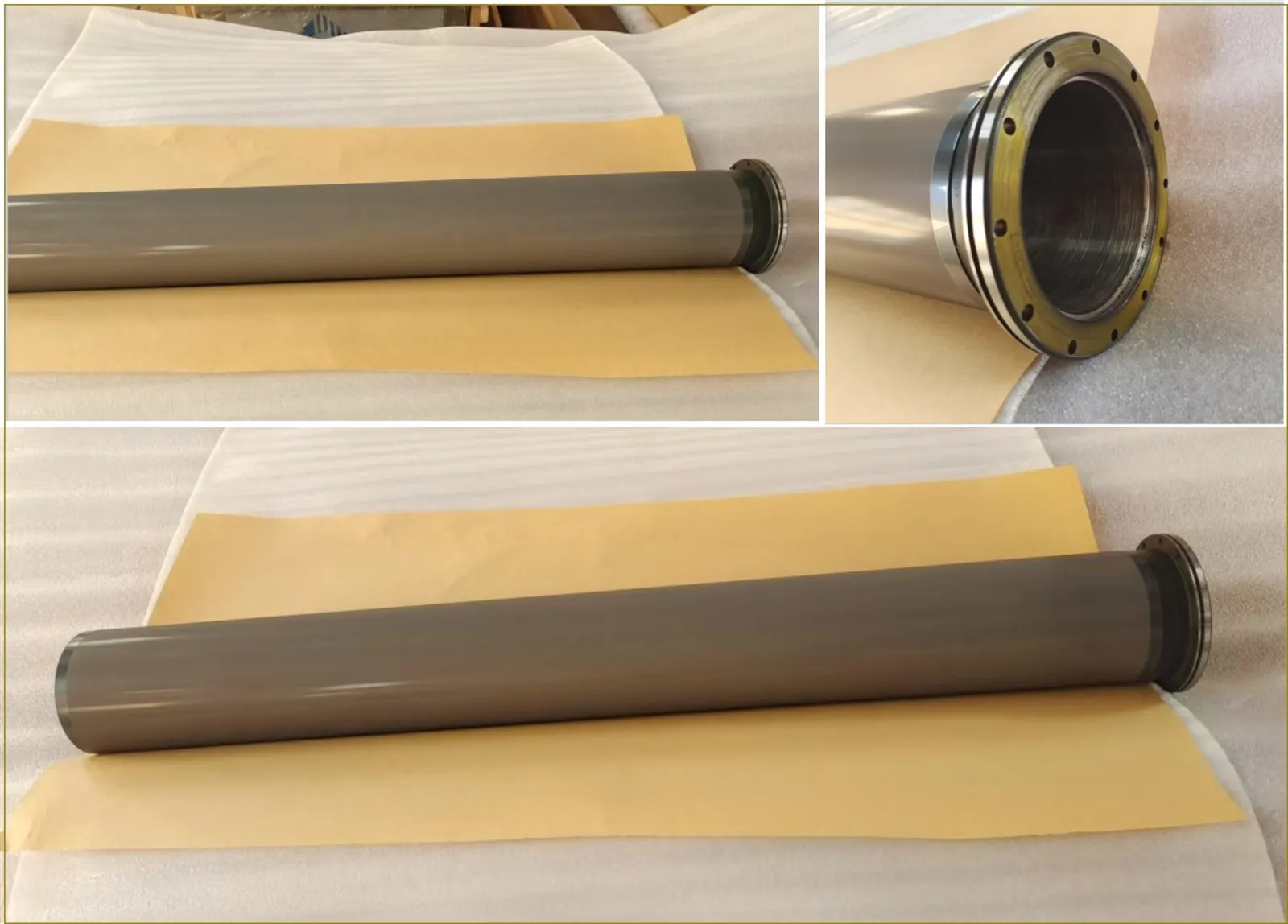
Product Detail Drawing
FAQ
Hot Tags: laminating ceramic anilox roller, China laminating ceramic anilox roller manufacturers, suppliers, factory