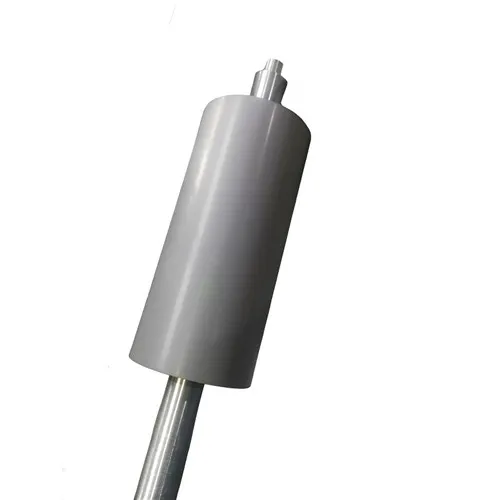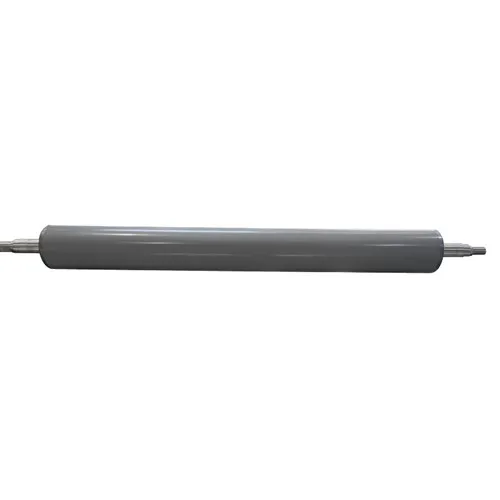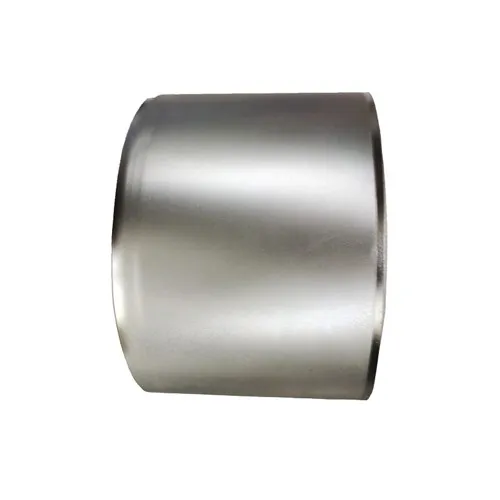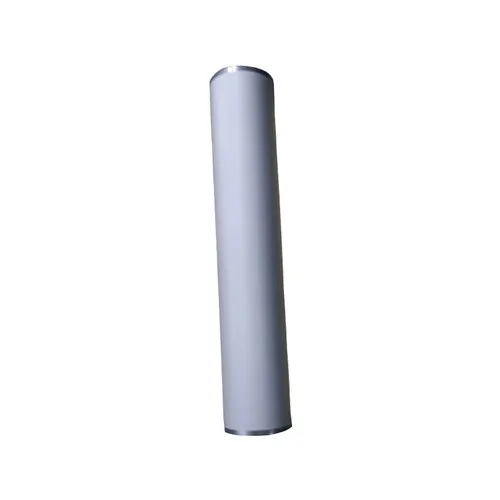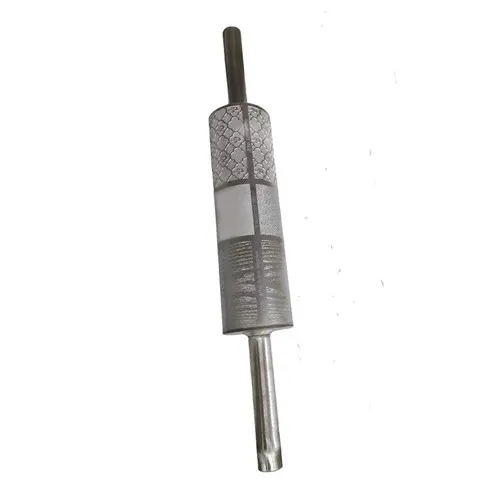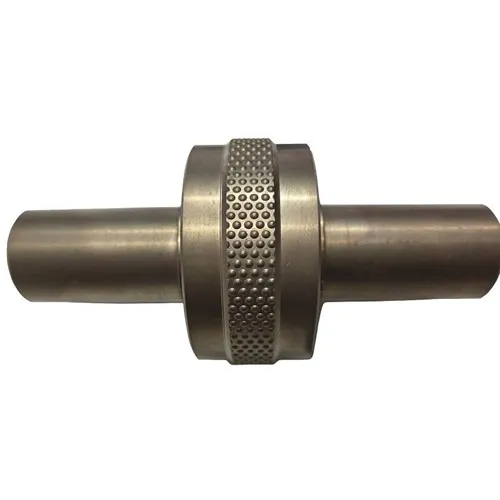
1. During handling, installation, and disassembly, minimize collisions, especially preventing the roller surface from contacting any metal or hard objects. For example, move the roller smoothly during hoisting. During installation and disassembly, do not drop tools or parts onto the surface of the ceramic anilox roller to avoid scratching the ceramic surface.
2. After removing the outer packaging of the roller, ensure the roller surface is clean and avoid dust and oil contamination. For example, do not touch the roller surface with your hands or cloths with oil or dust stains. Cover the roller with clean materials promptly when there is dust in the workshop.
3. The anilox roller should be cleaned regularly during use (especially if a continuous decrease in ink transfer is observed). It can be cleaned with a cleaning solution and a stainless steel brush. First, evenly apply the cleaning solution (powder) to the roller surface. After the hardened material (ink, coating) softens, rinse thoroughly. When brushing, use a stainless steel brush (do not use a copper brush) and the appropriate cleaning agent to brush along the axial direction of the anilox roller, allowing the cleaning agent (powder) to penetrate the mesh and dissolve residual ink. Finally, rinse the entire roller surface with clean water. This process can be repeated until all ink is removed. Then, wipe the surface dry with a lint-free cloth and use industrial alcohol to absorb any moisture from the mesh.
4. When not in use, the anilox roller must be thoroughly cleaned before packaging and storing in a dry, dark, and clean place. Storing used rollers without cleaning will cause ink to dry and clog the mesh, increasing the difficulty of cleaning during subsequent use, affecting print quality, and may even render the roller unusable. When storing, ensure the dry roller is properly packaged in a protective sleeve and stored in a safe place free from impact. The above are basic precautions for using anilox rollers.