


Hey there! As a supplier of Film Coating Micro Gravure Rolls, I often get asked about how accurate the coating thickness is when using these rolls. Well, let's dive right into it and explore this topic in detail.
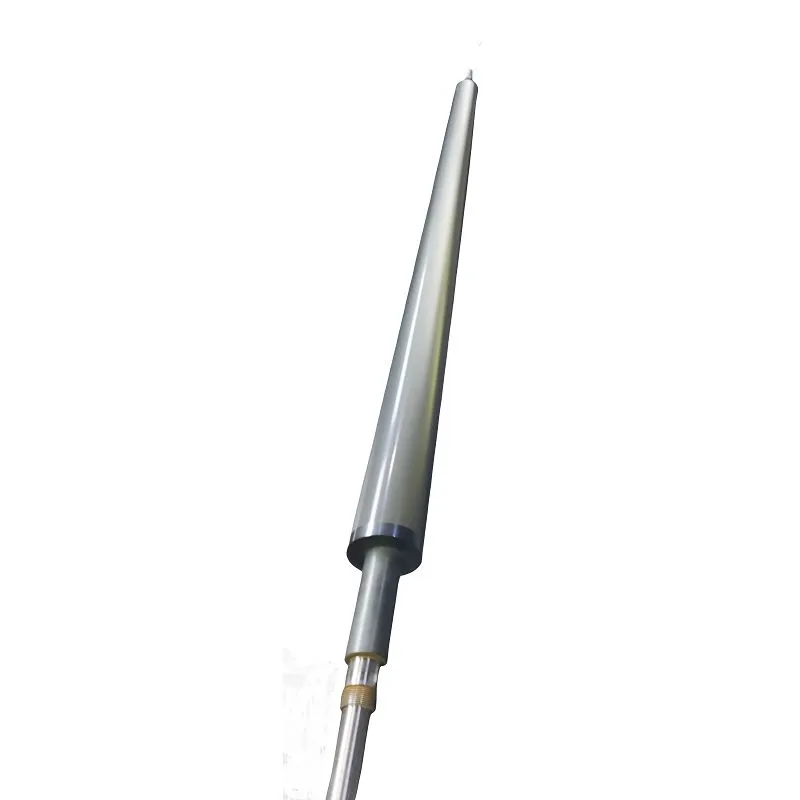
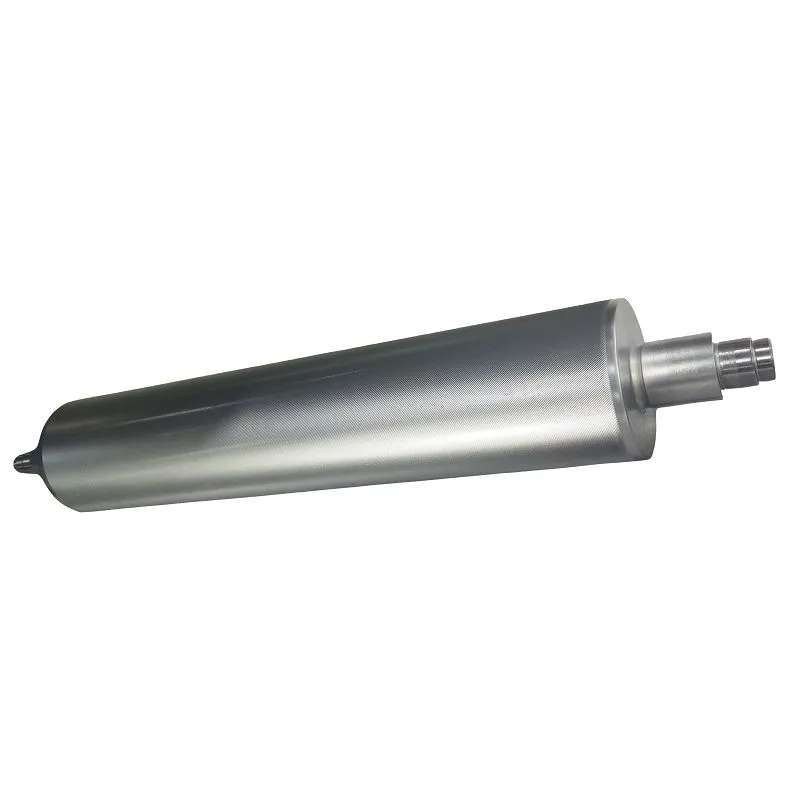
First off, let's understand what a Film Coating Micro Gravure Roll is. It's a specialized roll used in the coating process, especially for thin films. The micro-gravure technology allows for precise control of the coating material, which is crucial for many industries.
Factors Affecting Coating Thickness Accuracy
There are several factors that can influence the accuracy of the coating thickness when using a Film Coating Micro Gravure Roll.
Roll Design and Engraving
The design and engraving of the roll play a huge role. The cells on the roll are what hold the coating material. The size, shape, and depth of these cells determine how much coating is transferred to the substrate. If the cells are not engraved accurately, it can lead to variations in the coating thickness. For example, if the cells are too deep in some areas and too shallow in others, the amount of coating transferred will differ, resulting in an uneven coating.
Coating Material Properties
The properties of the coating material itself are also important. Viscosity, surface tension, and solids content can all affect how the material is transferred from the roll to the substrate. A high - viscosity material may not flow easily into the cells of the roll, or it may not release evenly from the roll onto the substrate. This can cause inconsistencies in the coating thickness.
Operating Conditions
The speed of the coating process, the pressure applied between the roll and the substrate, and the temperature and humidity of the environment can all impact the coating thickness. For instance, if the coating speed is too fast, the coating material may not have enough time to spread evenly on the substrate, leading to a thinner or uneven coating. Similarly, changes in temperature and humidity can affect the viscosity of the coating material, which in turn can affect the coating thickness.
Measuring Coating Thickness
To ensure the accuracy of the coating thickness, it's essential to measure it regularly. There are several methods available for measuring coating thickness.
Non - Destructive Testing
Non - destructive testing methods are commonly used. For example, magnetic induction and eddy current testing can be used to measure the thickness of metallic coatings. These methods are quick and do not damage the coated substrate. Ultrasonic testing is another non - destructive method that can be used for measuring the thickness of non - metallic coatings.
Destructive Testing
Destructive testing methods involve removing a sample of the coated substrate and measuring the coating thickness directly. This can be done using a micrometer or a microscope. While this method provides very accurate results, it is time - consuming and destroys the sample.
Achieving High Accuracy
As a supplier of Film Coating Micro Gravure Rolls, we take several steps to ensure high accuracy in coating thickness.
Precision Manufacturing
We use state - of - the - art manufacturing techniques to ensure that the rolls are engraved with high precision. Our engineers use advanced software and machinery to create cells with consistent size, shape, and depth. This helps to ensure that the same amount of coating material is transferred to the substrate across the entire width of the roll.
Quality Control
We have a strict quality control process in place. Each roll is inspected thoroughly before it leaves our factory. We use advanced measuring equipment to check the dimensions of the cells and the overall surface quality of the roll. This helps to identify any potential issues that could affect the coating thickness accuracy.
Technical Support
We also provide technical support to our customers. Our team of experts can help customers optimize their coating processes. We can offer advice on the selection of the right roll, the coating material, and the operating conditions to achieve the desired coating thickness accuracy.
Other Types of Micro Gravure Rolls
In addition to Film Coating Micro Gravure Rolls, we also offer Packaging Micro Gravure Rolls and Ceramic Micro Gravure Rolls.
Packaging Micro Gravure Rolls are designed for use in the packaging industry. They are used to apply coatings such as adhesives, inks, and varnishes to packaging materials. These rolls need to provide a high level of accuracy to ensure that the packaging looks good and functions properly.
Ceramic Micro Gravure Rolls are made from ceramic materials. They offer several advantages, such as high wear resistance and chemical resistance. These rolls are often used in applications where the coating material is abrasive or corrosive.
Conclusion
In conclusion, the accuracy of the coating thickness with a Film Coating Micro Gravure Roll depends on several factors, including roll design, coating material properties, and operating conditions. By using high - precision manufacturing techniques, strict quality control, and providing technical support, we can help our customers achieve high accuracy in their coating processes.
If you're in the market for a Film Coating Micro Gravure Roll or any other type of micro gravure roll, we'd love to have a chat with you. Whether you need advice on the right roll for your application or want to discuss your coating process, we're here to help. Don't hesitate to reach out and start a conversation about your procurement needs.
References
- Smith, J. (2020). Coating Technology Handbook. Publisher X.
- Johnson, A. (2019). Micro Gravure Coating Processes. Journal of Coating Science, 15(2), 123 - 135.