


In the dynamic world of industrial manufacturing, the demand for precision and efficiency is ever - present. One crucial component that plays a significant role in various printing and coating processes is the doctor blade. As a doctor blade supplier, I am often asked the question: "Can a doctor blade be customized?" The answer is a resounding yes, and in this blog, I will explore the ins and outs of doctor blade customization.
The Basics of Doctor Blades
Before delving into customization, it's essential to understand what a doctor blade is and its function. A Doctor Blade is a thin, flat piece of material that is used to remove excess ink, coating, or other substances from a surface, typically a printing cylinder or an anilox roller. It ensures a uniform layer of the material is applied, which is crucial for high - quality printing and coating results.
Doctor blades are commonly made from materials such as steel, plastic, or ceramic. Each material has its own set of properties, advantages, and limitations. Steel blades are known for their durability and strength, making them suitable for high - speed applications. Plastic blades, on the other hand, are more flexible and can be used in applications where a softer touch is required. Ceramic blades offer excellent wear resistance and chemical resistance, making them ideal for demanding environments.
Why Customization is Necessary
There are several reasons why customization of doctor blades is necessary. Firstly, different industries have different requirements. For example, the printing industry may require a doctor blade with a specific edge profile to achieve a particular print quality. The packaging industry may need a blade that can withstand high - speed printing and harsh chemicals. By customizing the doctor blade, manufacturers can ensure that it meets the specific needs of their applications.
Secondly, the size and shape of the equipment used in the printing and coating processes can vary significantly. A standard doctor blade may not fit properly in a unique or custom - designed machine. Customization allows the blade to be tailored to the exact dimensions of the equipment, ensuring a perfect fit and optimal performance.
Thirdly, the type of ink or coating being used can also influence the design of the doctor blade. Some inks are more viscous than others, and a customized blade can be designed to handle these differences effectively. For instance, a blade with a specific angle or edge finish can be created to ensure proper ink transfer and removal.
Customization Options
When it comes to customizing doctor blades, there are several options available.
Material Selection
As mentioned earlier, doctor blades can be made from various materials. Customization allows for the selection of the most appropriate material based on the application. For example, if the application involves printing on a porous surface, a plastic blade may be a better choice as it can conform to the surface irregularities. If the application requires high - precision and long - term durability, a ceramic blade may be more suitable.
Edge Profile
The edge profile of a doctor blade is crucial for its performance. Different edge profiles can be customized to achieve different results. A sharp edge profile is ideal for precise ink removal, while a rounded edge profile can be used to reduce wear on the anilox roller. Some common edge profiles include straight, beveled, and rounded edges.
Dimensions
Customizing the dimensions of the doctor blade is also possible. This includes the length, width, and thickness of the blade. The length of the blade needs to match the width of the printing or coating equipment. The width of the blade can affect the amount of ink or coating that is removed. Thicker blades are generally more rigid and can withstand higher pressures, while thinner blades are more flexible.
Surface Treatment
Surface treatment can also be customized to enhance the performance of the doctor blade. For example, a coating can be applied to the blade to improve its wear resistance, reduce friction, or increase its chemical resistance. Some common surface treatments include chrome plating, Teflon coating, and diamond - like carbon (DLC) coating.
The Customization Process
The customization process typically starts with a detailed consultation with the customer. During this consultation, the customer's requirements are discussed, including the application, the type of ink or coating, the equipment used, and any specific performance criteria. Based on this information, the supplier can recommend the most suitable material, edge profile, dimensions, and surface treatment for the doctor blade.
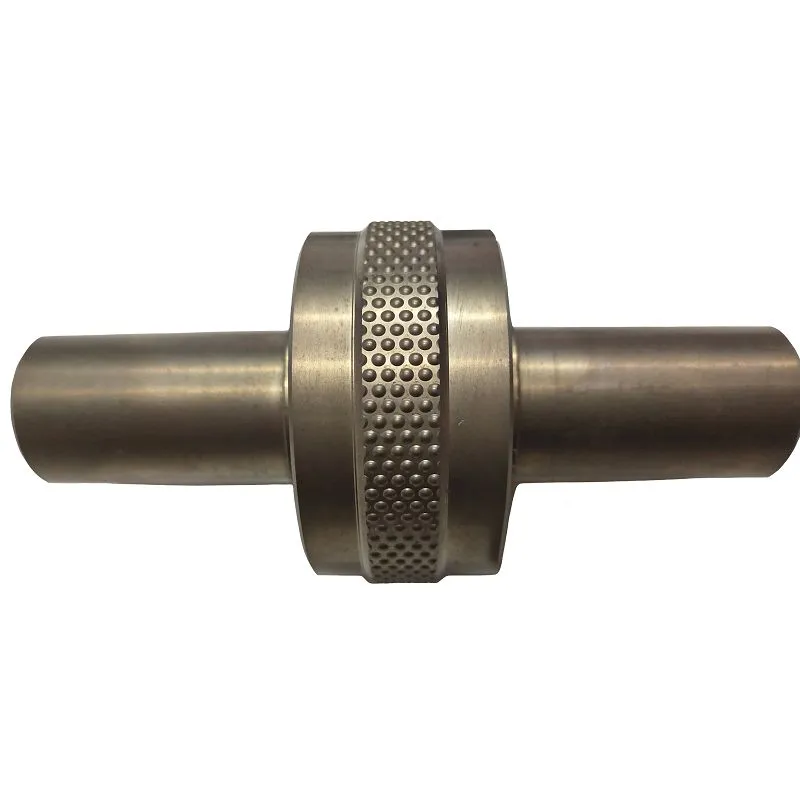
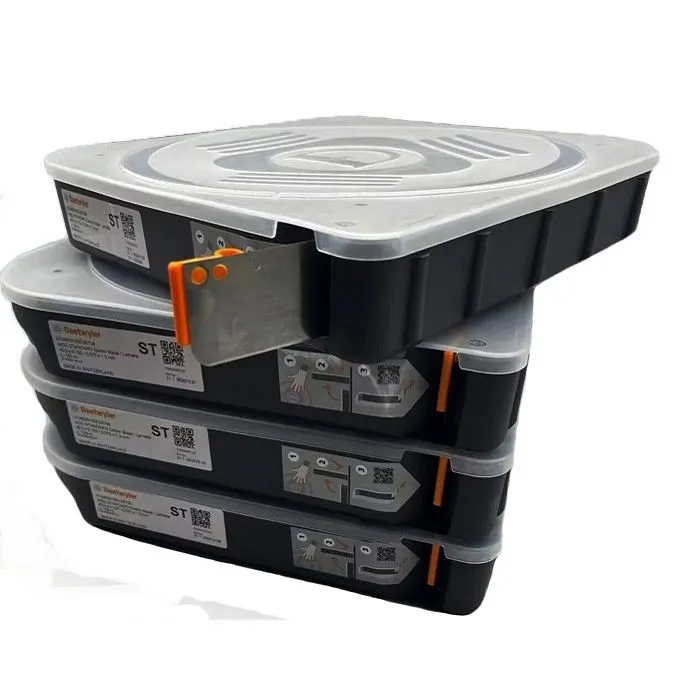
Once the design is finalized, the manufacturing process begins. This involves cutting the blade to the specified dimensions, shaping the edge profile, and applying any necessary surface treatments. Quality control measures are implemented throughout the manufacturing process to ensure that the customized doctor blade meets the highest standards.
Examples of Customized Doctor Blades
Let's look at some real - world examples of customized doctor blades.
In the label printing industry, a customer may require a doctor blade with a specific edge profile to achieve a sharp and clear print. The supplier can customize the blade to have a fine - tuned edge that can precisely remove the excess ink from the anilox roller, resulting in high - quality labels.
In the packaging industry, where high - speed printing is common, a customer may need a doctor blade that can withstand the high pressures and speeds. The supplier can customize the blade by using a high - strength steel material and applying a special surface treatment to enhance its wear resistance.
Complementary Products
In addition to doctor blades, there are other consumable products that are often used in conjunction with them. For example, a Brush To Metal Anilox Roller is an important component in the printing and coating processes. It works in tandem with the doctor blade to transfer the ink or coating to the printing surface. Another useful product is the Knurling Tool, which can be used to create a textured surface on the doctor blade, improving its performance.
Conclusion
In conclusion, doctor blades can indeed be customized to meet the specific needs of various industries and applications. The ability to customize the material, edge profile, dimensions, and surface treatment allows manufacturers to achieve optimal performance and high - quality results. As a doctor blade supplier, I am committed to providing customized solutions that meet the unique requirements of my customers.
If you are in the market for a customized doctor blade or have any questions about our products, I encourage you to reach out to us. We have a team of experts who can assist you in selecting the right doctor blade for your application and guide you through the customization process. Let's work together to achieve the best results for your printing and coating needs.
References
- Smith, J. (2020). "Advanced Printing Technologies". Publisher: ABC Publishing.
- Johnson, M. (2019). "Coating Processes and Materials". Publisher: XYZ Press.