


What is the rotational speed limit for a Fiber Glass Anilox Sleeve?
In the printing industry, anilox sleeves play a crucial role in the precise transfer of ink from the ink fountain to the printing plate. Among various types of anilox sleeves, the Fiber Glass Anilox Sleeve has gained significant popularity due to its unique properties. As a supplier of Fiber Glass Anilox Sleeves, I often receive inquiries about the rotational speed limit of these sleeves. In this blog, I will delve into the factors that determine the rotational speed limit of a Fiber Glass Anilox Sleeve and its implications for the printing process.
Understanding the Basics of Fiber Glass Anilox Sleeves
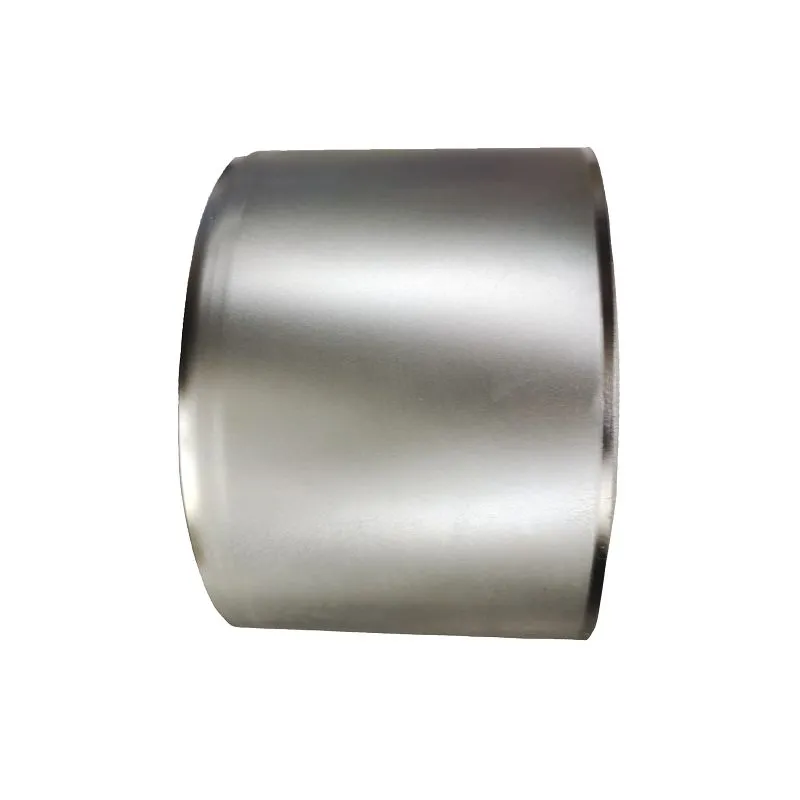
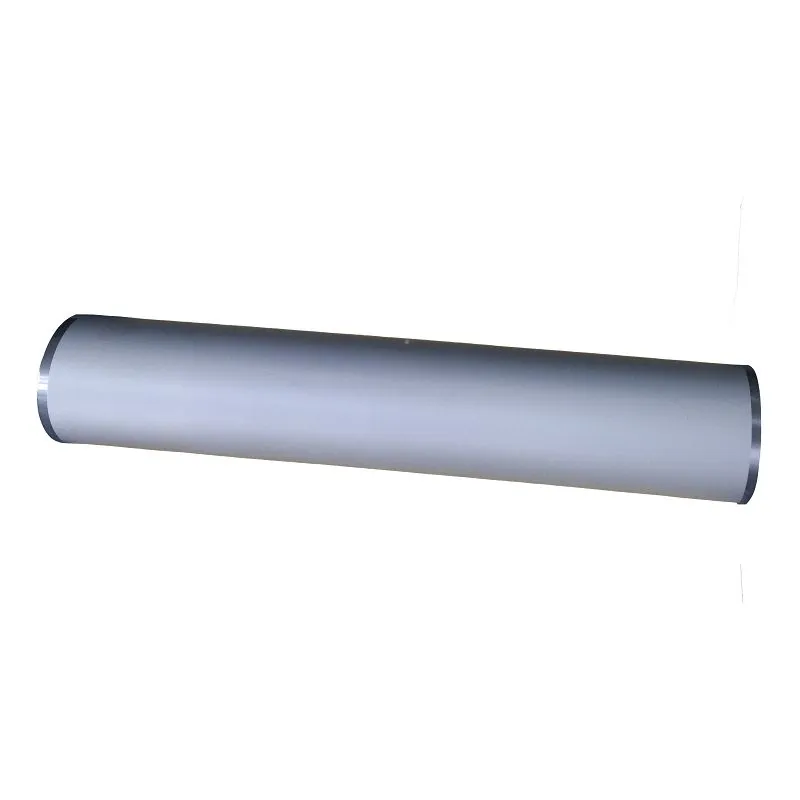
Fiber Glass Anilox Sleeves are made from a composite material that combines the strength and durability of fiberglass with the precision required for ink transfer. These sleeves are known for their high resistance to wear and tear, which makes them suitable for high - volume printing applications. The surface of the Fiber Glass Anilox Sleeve is engraved with a pattern of cells that hold and transfer the ink. The size, shape, and density of these cells determine the amount of ink that can be transferred.
Compared to other types of anilox sleeves, such as Aluminium - based Anilox Sleeve, Fiber Glass Anilox Sleeves offer several advantages. They are lighter in weight, which reduces the load on the printing press and allows for higher - speed operation. Additionally, the fiberglass material provides better chemical resistance, making it suitable for use with a wide range of inks and solvents.
Factors Affecting the Rotational Speed Limit
The rotational speed limit of a Fiber Glass Anilox Sleeve is determined by several factors, including the sleeve's design, the printing press's capabilities, and the type of ink being used.
Sleeve Design
The design of the Fiber Glass Anilox Sleeve plays a significant role in determining its rotational speed limit. The cell geometry, such as the cell size, shape, and depth, affects the ink transfer efficiency at different speeds. For example, smaller cells may require a lower rotational speed to ensure proper ink filling and transfer. The wall thickness of the sleeve also matters. A thicker wall can provide more stability at higher speeds, but it may also increase the weight of the sleeve, which can have a negative impact on the printing press's performance.
Printing Press Capabilities
The capabilities of the printing press are another crucial factor. The press's motor power, the quality of the bearings, and the overall mechanical design determine how fast the anilox sleeve can rotate. A high - quality press with a powerful motor and smooth - running bearings can support higher rotational speeds. However, if the press is not properly maintained or if it has mechanical issues, it may limit the maximum speed at which the Fiber Glass Anilox Sleeve can operate.
Ink Properties
The type of ink being used also affects the rotational speed limit. Different inks have different viscosities, surface tensions, and drying characteristics. High - viscosity inks may require a lower rotational speed to ensure proper ink transfer, as they are more difficult to fill into the anilox cells. In contrast, low - viscosity inks can be transferred more easily at higher speeds. Additionally, the drying time of the ink is important. If the ink dries too quickly, it can cause clogging of the anilox cells, which can limit the rotational speed.
Determining the Optimal Rotational Speed
To determine the optimal rotational speed for a Fiber Glass Anilox Sleeve, it is essential to conduct thorough testing. This involves running test prints at different speeds and analyzing the quality of the printed output. The key indicators of a good print quality include uniform ink coverage, sharp image definition, and minimal ink splatter.
During the testing process, it is important to monitor the temperature of the anilox sleeve. High rotational speeds can generate heat, which can affect the ink's properties and the sleeve's performance. If the temperature rises too high, it can cause the ink to dry prematurely or damage the sleeve. Therefore, it is necessary to ensure that the printing press has proper cooling systems in place to maintain a stable temperature.
Implications for the Printing Process
The rotational speed limit of a Fiber Glass Anilox Sleeve has significant implications for the printing process. A higher rotational speed can increase the production rate, which is beneficial for high - volume printing jobs. However, if the speed is too high, it can lead to poor print quality, such as uneven ink coverage, ink splatter, and cell clogging.
On the other hand, operating the anilox sleeve at a lower speed than necessary can result in reduced productivity. Therefore, finding the right balance between speed and print quality is crucial. As a supplier of Fiber Glass Anilox Sleeve, we provide our customers with technical support and guidance to help them determine the optimal rotational speed for their specific printing applications.
Comparing with Other Anilox Sleeve Types
When comparing Fiber Glass Anilox Sleeves with other types, such as Composite Material Anilox Sleeve and Aluminium - based Anilox Sleeves, the rotational speed capabilities can vary. Composite Material Anilox Sleeves may have different rotational speed limits depending on the specific composite materials used. Aluminium - based Anilox Sleeves are generally heavier than Fiber Glass Anilox Sleeves, which can limit their maximum rotational speed. However, they may offer better heat dissipation properties in some cases.
Contact for Purchase and Consultation
If you are in the market for a high - quality Fiber Glass Anilox Sleeve or have any questions about the rotational speed limit or other technical aspects, we are here to help. Our team of experts can provide you with detailed information and guidance to ensure that you make the right choice for your printing needs. Whether you are a small - scale printer or a large - scale printing company, we have the solutions to meet your requirements. Contact us to start a discussion about your printing project and explore how our Fiber Glass Anilox Sleeves can enhance your printing process.
References
- Smith, J. (2018). Anilox Technology in Printing. Printing Press Publications.
- Johnson, R. (2019). Advanced Ink Transfer Techniques. Ink Industry Journal.
- Brown, A. (2020). Fiber Glass Materials in Industrial Applications. Composite Materials Research.