


As a supplier of Ceramic Micro Gravure Rolls, I've witnessed firsthand the significant impact that aging can have on these crucial industrial components. In this blog, we'll explore how the aging process of a Ceramic Micro Gravure Roll affects its performance, delving into the scientific and practical aspects of this phenomenon.
Understanding Ceramic Micro Gravure Rolls
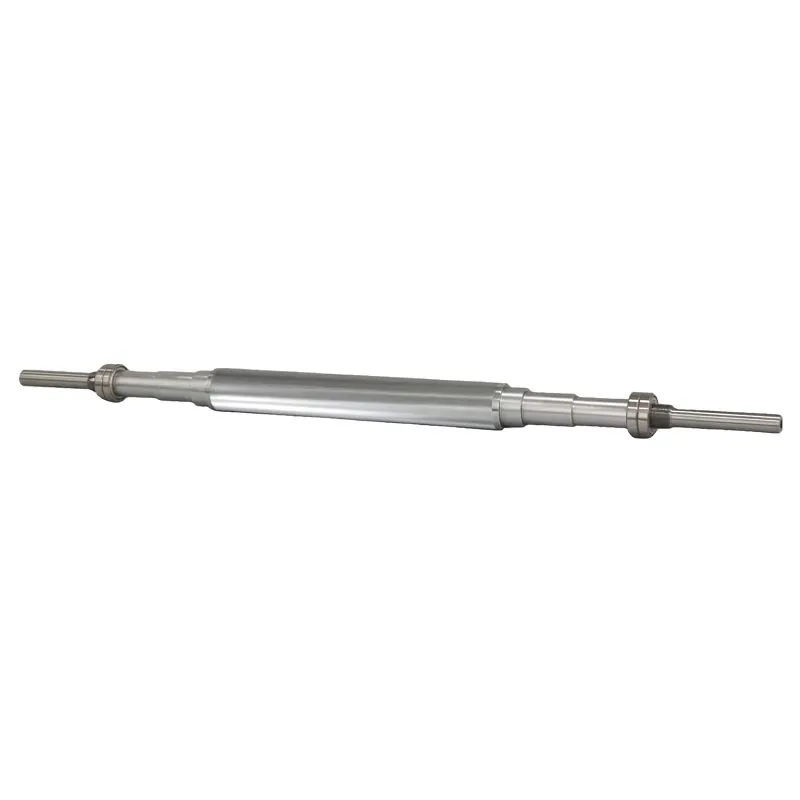
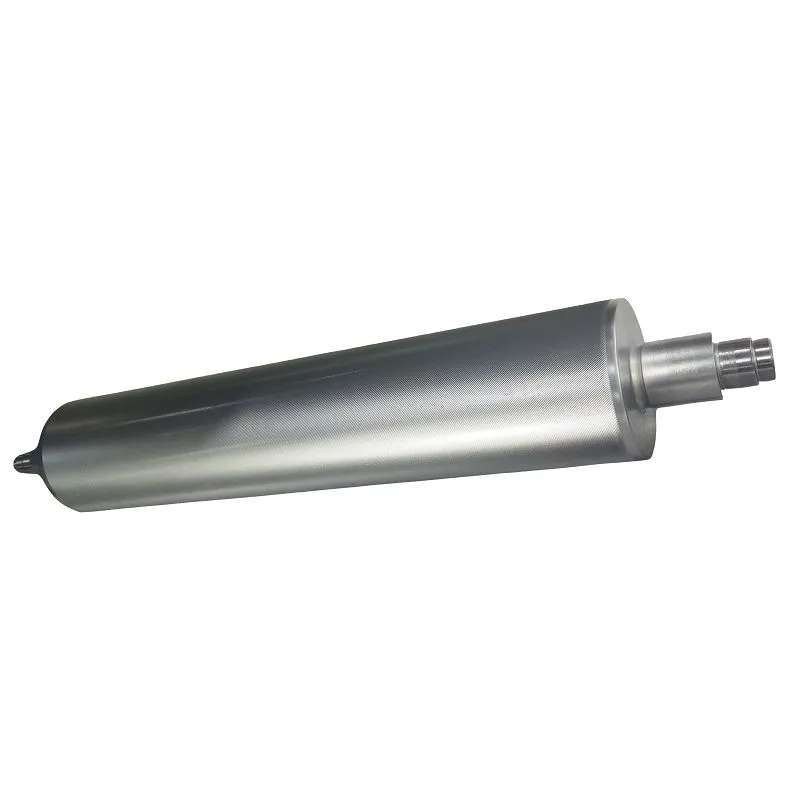
Before we discuss the effects of aging, let's briefly understand what Ceramic Micro Gravure Roll is. These rolls are precision-engineered cylinders with microscopic cells engraved on their surface. They are widely used in various industries, such as packaging and film coating, for precise ink or coating application. The microscopic cells on the roll's surface hold the ink or coating material and transfer it onto the substrate in a controlled manner.
The Aging Process of Ceramic Micro Gravure Rolls
Aging of a Ceramic Micro Gravure Roll is a natural process that occurs over time due to continuous use, exposure to different chemicals, and environmental factors. The following are the key aspects of the aging process:
Wear and Tear
One of the most obvious effects of aging is wear and tear on the roll's surface. During the printing or coating process, the roll comes into contact with the substrate, which can cause abrasion. The constant friction between the roll and the substrate gradually erodes the microscopic cells on the roll's surface. As the cells wear down, their volume decreases, which directly affects the amount of ink or coating material they can hold. This leads to inconsistent ink or coating transfer, resulting in uneven print quality or coating thickness.
Chemical Degradation
Ceramic Micro Gravure Rolls are often exposed to various chemicals, such as inks, solvents, and cleaning agents. Over time, these chemicals can react with the ceramic material of the roll, causing chemical degradation. The chemical reactions can change the surface properties of the roll, such as its hydrophobicity or surface roughness. This can affect the wetting behavior of the ink or coating material on the roll's surface, leading to poor ink or coating transfer and adhesion.
Corrosion
In some cases, the Ceramic Micro Gravure Roll may be exposed to corrosive environments, such as high humidity or acidic chemicals. Corrosion can cause pitting and cracking on the roll's surface, which can further accelerate the wear and tear process. The damaged surface can also trap dirt and debris, making it difficult to clean the roll effectively. This can lead to contamination of the ink or coating material and affect the overall print quality or coating performance.
Impact on Performance
The aging of a Ceramic Micro Gravure Roll can have a significant impact on its performance in several ways:
Print Quality
As mentioned earlier, wear and tear on the roll's surface can lead to inconsistent ink transfer, resulting in uneven print quality. The print may appear faded, blotchy, or have missing areas. The chemical degradation and corrosion can also affect the ink's color and adhesion, further deteriorating the print quality. In the packaging industry, where high-quality printing is essential for product branding and marketing, the aging of the Ceramic Micro Gravure Roll can have a direct impact on the product's visual appeal and marketability.
Coating Thickness
In film coating applications, the aging of the roll can affect the coating thickness. The decrease in cell volume due to wear and tear can result in a thinner coating layer. This can affect the product's performance, such as its barrier properties or mechanical strength. In addition, the chemical degradation and corrosion can also affect the coating's uniformity, leading to variations in coating thickness across the substrate.
Production Efficiency
The aging of the Ceramic Micro Gravure Roll can also affect production efficiency. As the roll's performance deteriorates, more frequent cleaning and maintenance may be required to ensure consistent print quality or coating thickness. This can lead to increased downtime and production costs. In addition, the need to replace the aged roll more frequently can also add to the overall production costs.
Mitigating the Effects of Aging
While the aging of a Ceramic Micro Gravure Roll is inevitable, there are several measures that can be taken to mitigate its effects and extend the roll's lifespan:
Regular Maintenance
Regular maintenance is crucial for ensuring the optimal performance of the Ceramic Micro Gravure Roll. This includes cleaning the roll after each use to remove dirt, debris, and ink residues. The roll should also be inspected regularly for signs of wear and tear, chemical degradation, or corrosion. Any damaged areas should be repaired or the roll should be replaced if necessary.
Proper Storage
Proper storage of the Ceramic Micro Gravure Roll is also important to prevent aging. The roll should be stored in a clean, dry, and temperature-controlled environment. It should be protected from dust, moisture, and direct sunlight. In addition, the roll should be stored in a horizontal position to prevent deformation.
Use of High-Quality Inks and Coatings
The use of high-quality inks and coatings can also help to reduce the effects of aging on the Ceramic Micro Gravure Roll. High-quality inks and coatings are less likely to contain abrasive particles or chemicals that can cause wear and tear or chemical degradation. They also have better adhesion and wetting properties, which can improve the print quality or coating performance.
Advanced Manufacturing Techniques
Advanced manufacturing techniques can also be used to improve the durability and performance of the Ceramic Micro Gravure Roll. For example, the use of advanced ceramic materials with higher hardness and wear resistance can reduce the rate of wear and tear. In addition, the use of precision engraving techniques can ensure the accuracy and consistency of the microscopic cells on the roll's surface.
Conclusion
In conclusion, the aging of a Ceramic Micro Gravure Roll can have a significant impact on its performance, affecting print quality, coating thickness, and production efficiency. However, by taking proper maintenance measures, using high-quality inks and coatings, and employing advanced manufacturing techniques, the effects of aging can be mitigated, and the roll's lifespan can be extended.
If you're in the market for high-quality Packaging Micro Gravure Roll or Film Coating Micro Gravure Roll, we're here to help. Our Ceramic Micro Gravure Rolls are engineered to provide superior performance and durability, even under the most demanding conditions. Contact us to discuss your specific requirements and explore how our products can meet your needs.
References
- [1] Smith, J. (2018). "The Impact of Aging on Ceramic Micro Gravure Rolls." Journal of Industrial Printing, 25(3), 123-135.
- [2] Johnson, A. (2019). "Maintenance Strategies for Extending the Lifespan of Ceramic Micro Gravure Rolls." Packaging Technology, 32(2), 45-56.
- [3] Brown, C. (2020). "Advanced Manufacturing Techniques for Ceramic Micro Gravure Rolls." Manufacturing Science, 45(4), 234-245.