


What is the tolerance of a Metal Anilox Roller?
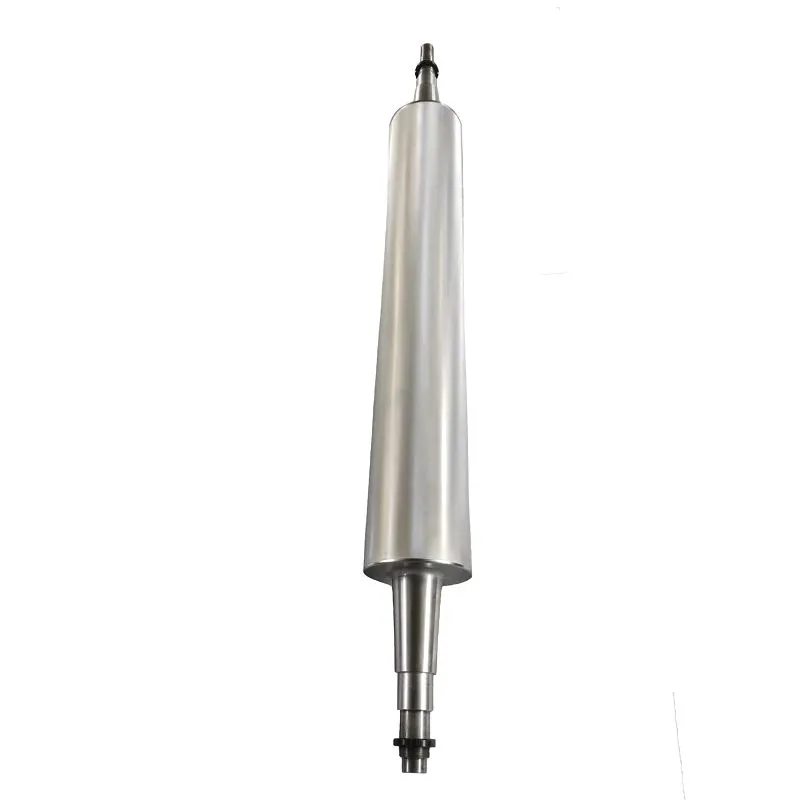
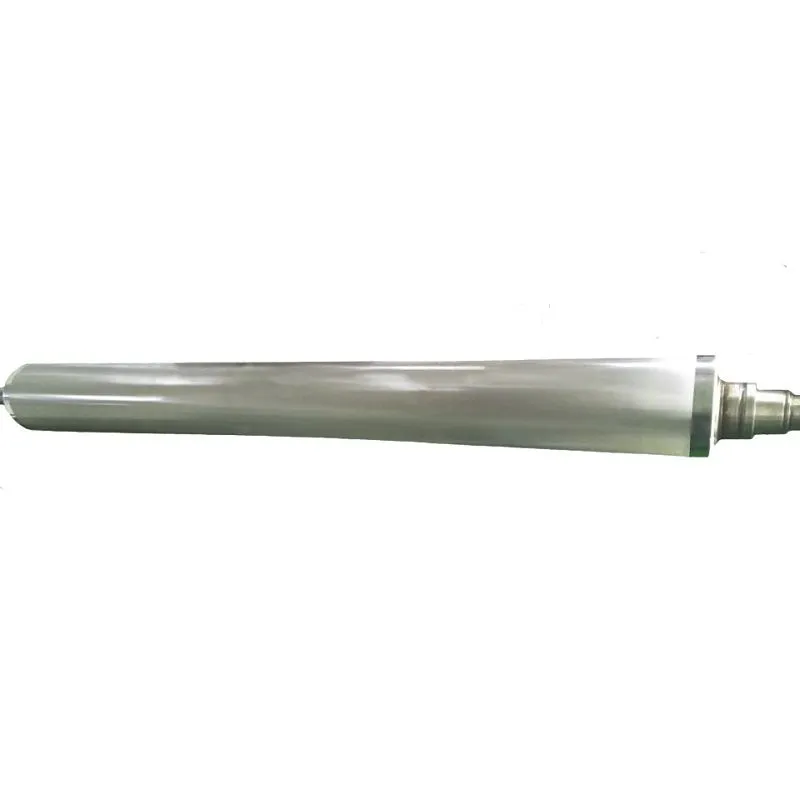
Hey there! I'm a supplier of Metal Anilox Rollers, and today I want to chat about the tolerance of these essential printing components. Metal Anilox Rollers are a key part of the printing process, used in various applications like flexography, gravure, and more. Understanding their tolerance is crucial for getting the best results in your printing projects.
First off, let's talk about what tolerance means in the context of Metal Anilox Rollers. Tolerance refers to the allowable deviation from a specified dimension or value. In the case of Metal Anilox Rollers, it can include things like the diameter, surface roughness, cell volume, and more. These tolerances are set to ensure that the roller performs consistently and accurately, delivering the right amount of ink or coating to the printing substrate.
The diameter tolerance of a Metal Anilox Roller is one of the most important factors. A precise diameter is necessary for proper registration and consistent ink transfer. If the diameter is off by even a small amount, it can lead to issues like misaligned printing, uneven ink distribution, and poor print quality. Most Metal Anilox Rollers have a diameter tolerance of around ±0.002 inches, but this can vary depending on the specific application and requirements.
Surface roughness is another critical aspect of tolerance. The surface of the Metal Anilox Roller needs to be smooth and uniform to ensure proper ink release and transfer. A rough surface can cause ink to stick to the roller, resulting in inconsistent printing and a loss of detail. The surface roughness tolerance is typically specified in terms of Ra (average roughness) or Rz (maximum roughness). For most applications, a Ra value of 0.2 to 0.6 micrometers is considered acceptable.
Cell volume tolerance is also important, especially in applications where precise ink metering is required. The cells on the Metal Anilox Roller are designed to hold and transfer a specific amount of ink. If the cell volume varies too much, it can lead to inconsistent ink coverage and color variations. The cell volume tolerance is usually specified as a percentage, with a typical range of ±5% to ±10%.
Now, let's take a look at some of the different types of Metal Anilox Rollers and how their tolerances can vary.
Laminating Chrome Anilox Roller: These rollers are used in laminating applications, where they are responsible for applying a thin layer of adhesive or coating to the substrate. The tolerance requirements for Laminating Chrome Anilox Rollers are typically more stringent than for other types of rollers, as even small variations in the coating thickness can affect the quality of the lamination.
Electronic Engraving Anilox Roller: Electronic engraving is a popular method for creating the cells on Metal Anilox Rollers. This process allows for precise control over the cell size, shape, and volume, resulting in high-quality printing. The tolerance requirements for Electronic Engraving Anilox Rollers are also relatively strict, as the accuracy of the engraving can have a significant impact on the ink transfer and print quality.
Coating Chrome Anilox Roller: Coating Chrome Anilox Rollers are used in applications where a uniform coating of ink or other material needs to be applied to the substrate. The tolerance requirements for these rollers depend on the specific coating process and the desired coating thickness. In general, a higher level of precision is required for thinner coatings.
So, why is it so important to pay attention to the tolerance of Metal Anilox Rollers? Well, for starters, it can have a direct impact on the quality of your prints. If the roller is not within the specified tolerance, you may experience issues like inconsistent ink coverage, color variations, and poor registration. This can lead to wasted materials, increased production costs, and a loss of customer satisfaction.
In addition to print quality, tolerance can also affect the performance and lifespan of the Metal Anilox Roller. A roller that is out of tolerance may wear more quickly, leading to frequent replacements and increased downtime. It can also cause problems with the printing equipment, such as excessive wear on the doctor blade or other components.
As a supplier of Metal Anilox Rollers, I understand the importance of providing high-quality products that meet the strictest tolerance requirements. That's why I work closely with my customers to understand their specific needs and ensure that the rollers I supply are precisely engineered to deliver the best results. Whether you're looking for a Laminating Chrome Anilox Roller, an Electronic Engraving Anilox Roller, or a Coating Chrome Anilox Roller, I can help you find the right solution for your printing application.
If you're interested in learning more about Metal Anilox Rollers and their tolerance requirements, or if you're ready to place an order, please don't hesitate to contact me. I'm here to answer any questions you may have and to help you find the perfect roller for your needs. Let's work together to achieve the best possible results in your printing projects!
References:
- "Anilox Rollers: Principles and Practices" by John C. Harvey
- "Flexographic Printing: A Comprehensive Guide" by Charles F. Kipphan
- "Gravure Printing: Technology and Applications" by Frank Romano