


In the realm of printing, the ceramic anilox roller stands as a cornerstone component, playing a pivotal role in determining the overall quality of printed materials. As a seasoned supplier of ceramic anilox rollers, I've witnessed firsthand the profound impact that the cell volume of these rollers can have on printing outcomes. In this blog post, I'll delve into the intricate relationship between cell volume and printing quality, exploring how different cell volumes can influence various aspects of the printing process.
Understanding Ceramic Anilox Rollers and Cell Volume
Before we dive into the impact of cell volume on printing quality, let's first understand what ceramic anilox rollers are and how cell volume is defined. A ceramic anilox roller is a precision-engineered cylinder with a surface covered in tiny cells, each designed to hold and transfer ink or coating to the printing substrate. These cells are typically arranged in a specific pattern and have a defined shape and size, which can vary depending on the application.
Cell volume refers to the amount of ink or coating that each cell can hold. It is usually measured in cubic microns per square inch (cm³/in²) or billion cubic microns per square meter (BCM). The cell volume of a ceramic anilox roller is determined by several factors, including the cell shape, size, and depth, as well as the surface area of the roller.
The Role of Cell Volume in Ink Transfer
One of the primary functions of a ceramic anilox roller is to transfer a precise amount of ink or coating to the printing substrate. The cell volume plays a crucial role in this process, as it determines how much ink or coating can be held and transferred by each cell. A roller with a larger cell volume can hold more ink or coating, resulting in a higher ink coverage on the substrate. Conversely, a roller with a smaller cell volume will hold less ink or coating, leading to a lower ink coverage.
The ink coverage achieved by a ceramic anilox roller is directly related to the printing quality. A higher ink coverage can result in more vibrant colors, better image definition, and improved overall print appearance. However, it's important to note that too much ink coverage can also lead to issues such as ink spreading, dot gain, and poor registration. On the other hand, a lower ink coverage may result in dull colors, weak image definition, and a less appealing print.
Impact of Cell Volume on Ink Distribution
In addition to ink coverage, the cell volume of a ceramic anilox roller also affects the distribution of ink or coating on the printing substrate. A roller with a uniform cell volume will distribute the ink or coating evenly across the substrate, resulting in a consistent print quality. However, if the cell volume varies across the roller surface, it can lead to uneven ink distribution, causing streaks, banding, or other print defects.
The uniformity of cell volume is particularly important in applications such as label printing, where precise ink distribution is essential for achieving high-quality prints. Label Printing Ceramic Anilox Roller are designed to provide a consistent cell volume across the roller surface, ensuring uniform ink distribution and excellent print quality.
Cell Volume and Printing Resolution
Another important aspect of printing quality is resolution, which refers to the ability of the printing system to reproduce fine details and sharp edges. The cell volume of a ceramic anilox roller can have a significant impact on printing resolution, as it determines the size of the ink dots that can be transferred to the substrate.
A roller with a smaller cell volume can produce smaller ink dots, resulting in a higher printing resolution. This is particularly important in applications such as high-resolution graphics printing, where fine details and sharp edges are essential. On the other hand, a roller with a larger cell volume will produce larger ink dots, which may result in a lower printing resolution.
Choosing the Right Cell Volume for Your Application
Selecting the appropriate cell volume for your printing application is crucial for achieving optimal print quality. The choice of cell volume depends on several factors, including the type of ink or coating being used, the printing substrate, the desired ink coverage, and the printing resolution.
For applications that require high ink coverage and a more vibrant print appearance, a roller with a larger cell volume may be suitable. On the other hand, for applications that require high printing resolution and fine details, a roller with a smaller cell volume may be more appropriate.
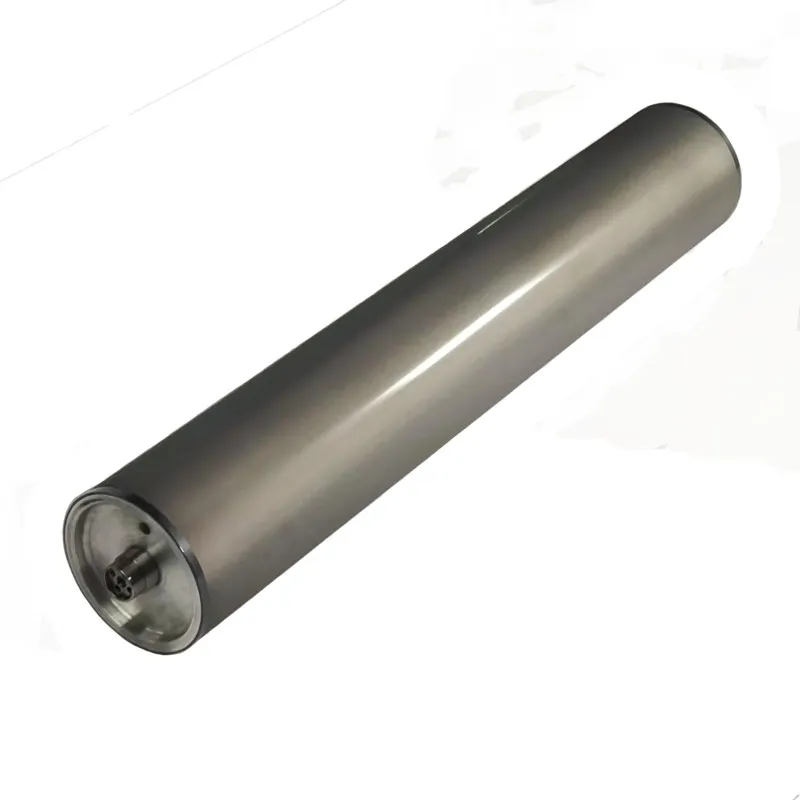
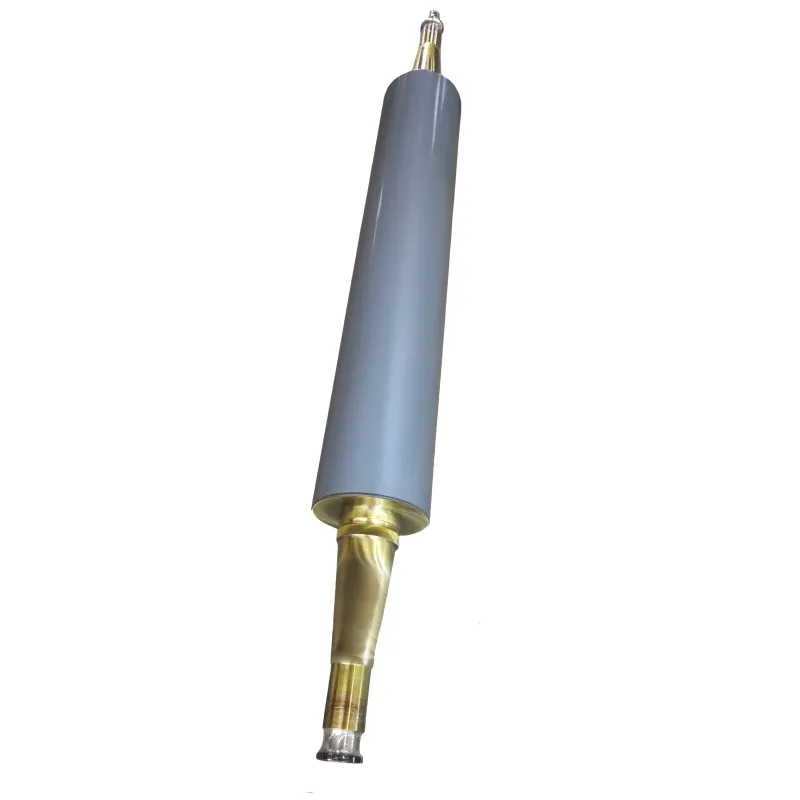
As a ceramic anilox roller supplier, I can provide expert advice on choosing the right cell volume for your specific application. Our Aluminum Alloy Ceramic Anilox Roller and Seamless Steel Ceramic Anilox Roller are available in a wide range of cell volumes to meet the diverse needs of our customers.
Conclusion
In conclusion, the cell volume of a ceramic anilox roller plays a critical role in determining the printing quality. It affects ink coverage, ink distribution, and printing resolution, all of which are essential for achieving high-quality prints. By understanding the relationship between cell volume and printing quality, you can make informed decisions when selecting a ceramic anilox roller for your printing application.
If you're looking for high-quality ceramic anilox rollers that can deliver excellent print results, look no further. As a leading supplier of ceramic anilox rollers, we have the expertise and experience to provide you with the right solution for your needs. Contact us today to discuss your requirements and explore how our ceramic anilox rollers can enhance your printing quality.
References
- Smith, J. (2020). The Science of Anilox Rollers. Printing Press.
- Johnson, A. (2019). Ink Transfer and Print Quality in Flexography. Journal of Printing Technology.
- Brown, C. (2018). Understanding Cell Volume in Ceramic Anilox Rollers. Printing Industry Magazine.