


Hey there! I'm a supplier of chrome anilox rollers, and I often get asked about the standard size of these rollers. So, I thought I'd write a blog post to share some insights on this topic.
Understanding Chrome Anilox Rollers
Before we dive into the standard sizes, let's quickly go over what chrome anilox rollers are. These rollers are an essential part of the printing and coating processes, especially in flexography and gravure printing. They're designed to transfer a precise amount of ink or coating onto the substrate. The chrome coating on these rollers provides excellent wear resistance, smoothness, and chemical resistance, which helps in achieving high-quality prints.
There are different types of chrome anilox rollers available in the market, such as Electronic Engraving Anilox Roller, Coating Chrome Anilox Roller, and Metal Anilox Roller. Each type has its own unique features and applications.
Factors Affecting the Size of Chrome Anilox Rollers
The size of a chrome anilox roller isn't a one - size - fits - all deal. There are several factors that influence the appropriate size for a particular application:
Printing Machine Specifications
The first and most obvious factor is the printing or coating machine where the roller will be used. Different machines have different requirements in terms of the roller diameter and length. For example, a large - format flexographic printing press will need a bigger anilox roller compared to a small - scale label printing machine. The machine's design, the number of printing stations, and the speed at which it operates can all impact the size of the roller.
Substrate Size
The size of the substrate (the material being printed on, like paper, plastic film, or cardboard) also plays a crucial role. If you're printing on wide rolls of packaging materials, you'll need a wider anilox roller to cover the entire width of the substrate. Similarly, if you're dealing with small labels, a narrower roller will suffice.
Ink or Coating Requirements
The type and amount of ink or coating you need to transfer can affect the roller size. Some inks have higher viscosities and require a different cell geometry and volume on the anilox roller. This can sometimes translate to a change in the roller's size to ensure proper ink transfer. For instance, if you're using a thick coating, you might need a roller with a larger cell volume, and this could potentially influence the overall size of the roller.
Standard Sizes of Chrome Anilox Rollers
Diameter
The diameter of chrome anilox rollers can vary widely. In general, common diameters range from around 2 inches (50.8 mm) to 12 inches (304.8 mm). Smaller diameter rollers, say around 2 - 4 inches, are often used in smaller printing machines, like those for label printing or in some specialty applications where space is limited. On the other hand, larger diameter rollers, 8 - 12 inches, are typically found in large - scale flexographic printing presses used for printing on wide rolls of packaging materials.
Length
The length of chrome anilox rollers is usually determined by the width of the substrate or the printing machine's effective printing width. Common lengths can range from a few inches to several feet. For small - to - medium - sized label printers, the roller length might be around 6 - 12 inches. In large - format packaging printing, the roller length can go up to 60 inches or more.
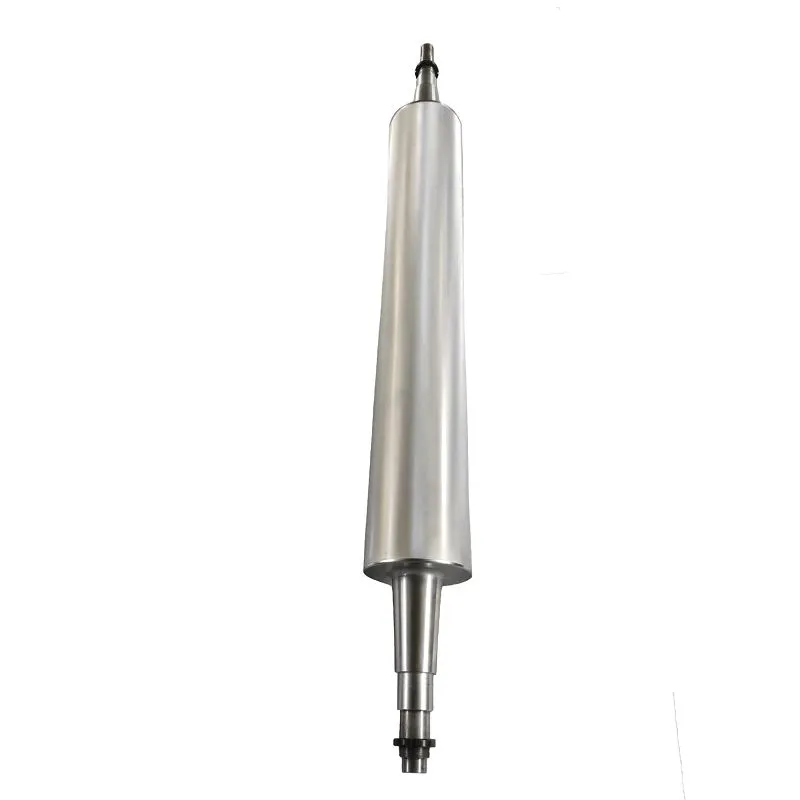
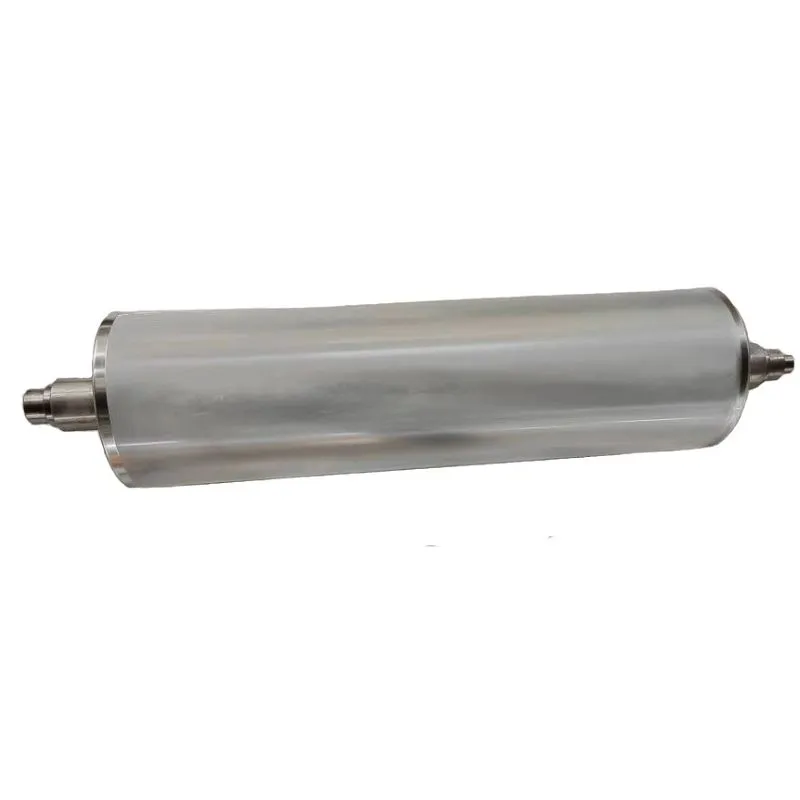
It's important to note that these are just general guidelines, and there are many non - standard sizes available as well. Custom - sized chrome anilox rollers are quite common in the industry, as different printers have unique requirements based on their specific applications.
Choosing the Right Size for Your Application
When choosing the size of a chrome anilox roller, you need to consider all the factors we've discussed above. First, consult the specifications of your printing or coating machine. Make sure the roller diameter and length are compatible with the machine's design and operation.
Next, think about the substrate you'll be working with. Measure the width of the substrate accurately and choose a roller that can cover it without any issues. Also, take into account the type of ink or coating you'll be using. If you're unsure about the cell volume and geometry requirements, you can work with a technical expert who can help you select the right roller size.
Why Choose Our Chrome Anilox Rollers
As a supplier of chrome anilox rollers, we pride ourselves on offering high - quality products. Our rollers are made from top - notch materials and undergo a rigorous manufacturing process to ensure they meet the highest standards. We have a wide range of standard sizes available, and we can also produce custom - sized rollers to fit your specific needs.
Our Electronic Engraving Anilox Roller provides precise ink transfer thanks to its advanced engraving technology. The Coating Chrome Anilox Roller is ideal for coating applications where a smooth and even coating is required. And our Metal Anilox Roller offers excellent durability and performance.
Let's Talk!
If you're in the market for chrome anilox rollers, don't hesitate to reach out. Whether you need a standard - sized roller or a custom - made one, we're here to help. We understand that every printing and coating project is unique, and we're committed to providing you with the right solution. So, let's start a conversation about your requirements and see how we can assist you in achieving the best results for your printing and coating processes.
References
- "Principles of Flexographic Printing", Flexographic Technical Association (FTA)
- "Coating and Laminating Technology Handbook", TAPPI Press