


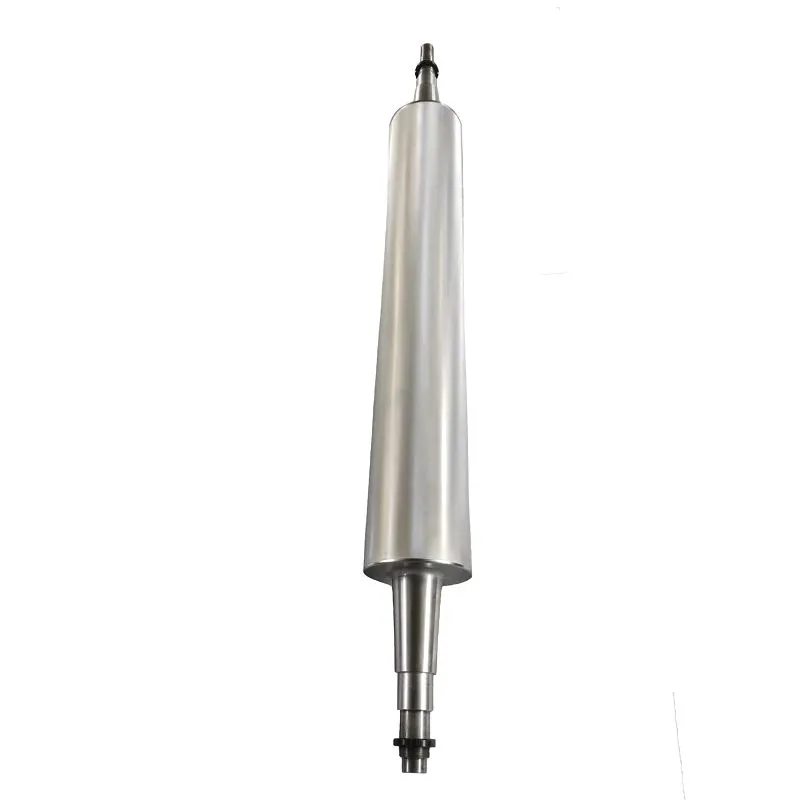
As a supplier of Metal Anilox Rollers, I understand the critical role these rollers play in various industrial processes, such as printing, coating, and laminating. The quality of a Metal Anilox Roller can significantly impact the efficiency and quality of the final product. In this blog, I will share some key methods to check the quality of a Metal Anilox Roller.
1. Visual Inspection
The first step in assessing the quality of a Metal Anilox Roller is a thorough visual inspection. This can reveal obvious defects that may affect the roller's performance.
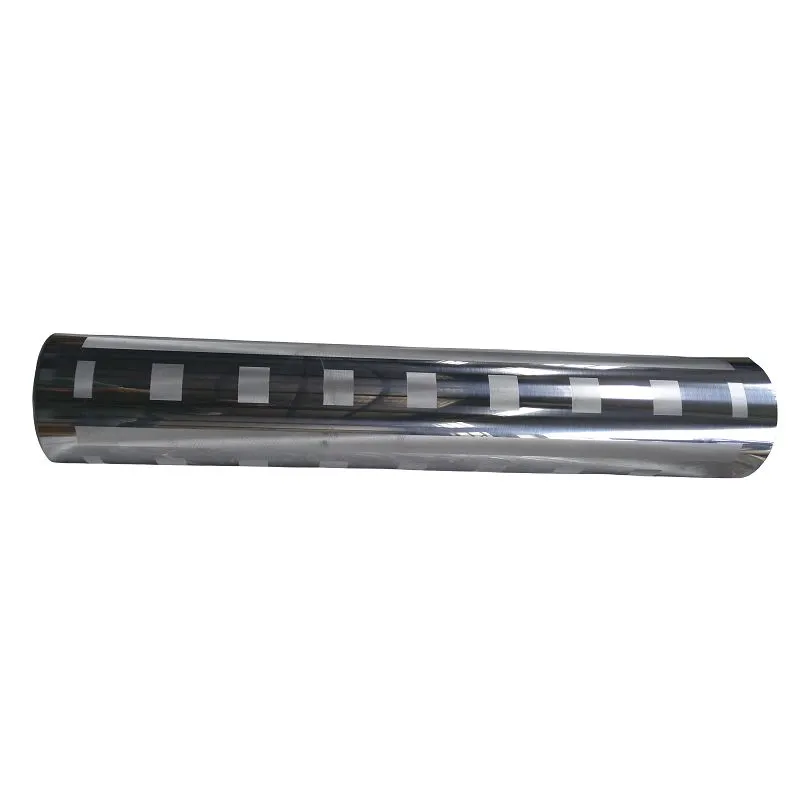
- Surface Finish: A high - quality Metal Anilox Roller should have a smooth and uniform surface finish. Any scratches, pits, or rough areas can cause uneven ink or coating distribution. For example, if there are scratches on the surface, the ink may accumulate in these areas, leading to inconsistent printing results.
- Cell Structure: The cells on the roller are crucial for ink or coating transfer. They should be clearly defined and evenly spaced. Under a microscope, you can observe the shape and size of the cells. Irregular cell shapes or inconsistent cell sizes can result in poor ink transfer and uneven coverage. For instance, if the cells are too large in some areas and too small in others, the amount of ink transferred will vary, causing visible differences in the printed or coated material.
2. Measurement of Key Parameters
Accurate measurement of key parameters is essential to ensure the quality of a Metal Anilox Roller.
- Cell Volume: The cell volume determines the amount of ink or coating that can be carried by the roller. It is typically measured in cubic inches per square foot (in³/ft²) or cubic centimeters per square meter (cm³/m²). A precise cell volume measurement is crucial for achieving consistent ink or coating application. You can use specialized equipment, such as a profilometer or a laser scanning microscope, to measure the cell volume. Deviations from the specified cell volume can lead to over - or under - application of ink or coating.
- Line Count: The line count refers to the number of cells per linear inch or centimeter on the roller. It affects the resolution and quality of the printed or coated image. A higher line count generally results in a finer and more detailed image, but it also requires more precise ink or coating control. You can measure the line count using a magnifying glass or a microscope with a calibrated scale. Incorrect line counts can cause issues such as blurry images or poor color reproduction.
- Diameter and Taper: The diameter of the Metal Anilox Roller should be within the specified tolerance. Any variation in the diameter can affect the pressure distribution during the printing or coating process, leading to uneven results. Additionally, the roller should have minimal taper. Tapered rollers can cause problems with registration and ink or coating distribution across the width of the material. You can use a micrometer or a caliper to measure the diameter and taper of the roller.
3. Performance Testing
Performance testing is a practical way to evaluate the quality of a Metal Anilox Roller in real - world conditions.
- Ink Transfer Efficiency: One of the most important performance indicators is the ink transfer efficiency. You can conduct a test by running the roller with a specific ink or coating and measuring the amount of ink transferred to the substrate. A high - quality roller should have a consistent and efficient ink transfer rate. If the ink transfer efficiency is low, it may indicate problems with the cell structure, surface finish, or the compatibility between the roller and the ink or coating.
- Wear Resistance: Metal Anilox Rollers are subject to wear during normal use. To test the wear resistance, you can run the roller for a certain number of cycles and then measure the change in cell volume, surface finish, or other key parameters. A roller with good wear resistance will maintain its performance over a longer period of time. Poor wear resistance can lead to frequent roller replacement, increasing production costs.
4. Compatibility Testing
The compatibility between the Metal Anilox Roller and the ink, coating, or substrate is also an important aspect of quality assessment.
- Ink Compatibility: Different inks have different viscosities, chemical compositions, and drying properties. A high - quality Metal Anilox Roller should be compatible with a wide range of inks. You can conduct compatibility tests by using different types of inks on the roller and observing the ink transfer, drying, and adhesion properties. Incompatible inks can cause issues such as clogging of the cells, poor ink transfer, or chemical reactions that damage the roller surface.
- Substrate Compatibility: The roller should be able to work effectively with different substrates, such as paper, plastic, or metal. The surface properties of the substrate, such as smoothness, porosity, and absorbency, can affect the ink or coating transfer. You can test the substrate compatibility by running the roller with different substrates and evaluating the quality of the printed or coated surface.
Types of Metal Anilox Rollers and Their Quality Considerations
There are different types of Metal Anilox Rollers, each designed for specific applications. Here are some common types and their quality - related considerations:
- Laminating Chrome Anilox Roller: These rollers are used in the laminating process, where they transfer adhesive to the substrate. The quality of a Laminating Chrome Anilox Roller is crucial for achieving a strong and uniform bond between the layers. Key quality factors include the cell volume for proper adhesive transfer, surface smoothness to prevent air bubbles, and corrosion resistance to ensure long - term performance.
- Coating Chrome Anilox Roller: Coating Chrome Anilox Rollers are used to apply various coatings, such as varnishes, lacquers, or protective coatings. The quality of these rollers affects the thickness and uniformity of the coating. Important quality parameters include the cell structure for consistent coating application, the ability to resist abrasion from the coating material, and the chemical resistance to prevent degradation.
- Printing Chrome Anilox Roller: Printing Chrome Anilox Rollers are widely used in the printing industry. The quality of these rollers directly impacts the print quality, including color accuracy, sharpness, and consistency. Quality considerations include the line count for high - resolution printing, the cell volume for proper ink transfer, and the surface finish to ensure smooth ink flow.
Conclusion
Checking the quality of a Metal Anilox Roller is a comprehensive process that involves visual inspection, measurement of key parameters, performance testing, and compatibility testing. By carefully evaluating these aspects, you can ensure that you are getting a high - quality roller that will meet your production needs.
If you are in the market for Metal Anilox Rollers and want to discuss your specific requirements, feel free to reach out to us. We are committed to providing high - quality products and excellent customer service. Let's work together to find the best solution for your business.
References
- Smith, J. (2018). Anilox Roller Technology. Printing Press Publications.
- Johnson, A. (2020). Quality Control in Industrial Roller Manufacturing. Industrial Manufacturing Journal.