


As a provider of Packaging Micro Gravure Rolls, I've encountered numerous inquiries regarding the adjustment of the speed ratio between the packaging micro gravure roll and the substrate. This process is crucial for ensuring high - quality packaging production, as it directly impacts the coating thickness, print quality, and overall efficiency of the packaging line. In this blog, I'll share some insights and practical steps on how to make these adjustments effectively.
Understanding the Basics of Speed Ratio
The speed ratio between the packaging micro gravure roll and the substrate is defined as the ratio of the linear speed of the micro gravure roll to the linear speed of the substrate. This ratio plays a pivotal role in determining the amount of ink or coating transferred from the roll to the substrate. A proper speed ratio ensures uniform coating thickness, sharp print images, and minimal waste.
If the speed of the micro gravure roll is too high relative to the substrate, it can lead to excessive ink or coating transfer, resulting in over - coating, smudging, and increased material costs. On the other hand, if the roll speed is too low, the coating may be too thin, leading to poor print quality and insufficient product protection.
Factors Affecting the Speed Ratio
Several factors need to be considered when determining the appropriate speed ratio:
Viscosity of the Ink or Coating
The viscosity of the ink or coating is a critical factor. Higher - viscosity materials require a slower speed ratio to ensure proper transfer. For example, thick adhesives used in packaging applications need a lower roll - to - substrate speed ratio compared to thin inks. The reason is that high - viscosity substances are more resistant to flow, and a slower speed allows them to be evenly distributed on the substrate.
Substrate Material
Different substrate materials have varying surface properties, such as porosity, smoothness, and absorbency. Porous substrates, like paper, may require a different speed ratio than non - porous substrates, such as plastic films. Paper can absorb ink more readily, so a slightly higher speed ratio might be needed to achieve the desired coating thickness. In contrast, plastic films are less absorbent, and a lower speed ratio may be more appropriate to prevent over - coating.
Gravure Cell Design
The design of the gravure cells on the micro gravure roll also affects the speed ratio. Cells with larger volumes can hold more ink or coating, and thus may require a different speed ratio compared to cells with smaller volumes. Rolls with fine - pitched cells may need a different speed adjustment to ensure that the cells are properly filled and emptied during the printing or coating process.
Steps to Adjust the Speed Ratio
Step 1: Initial Setup
Before making any adjustments, it's essential to have a clear understanding of the requirements of the packaging job. This includes the type of ink or coating, the substrate material, and the desired coating thickness. Refer to the manufacturer's guidelines for the ink or coating, as they often provide recommended speed ratios based on the product's properties.
Step 2: Measuring the Speeds
Use speed sensors to accurately measure the linear speed of the packaging micro gravure roll and the substrate. These sensors can provide real - time data, allowing you to calculate the current speed ratio. Modern packaging lines are often equipped with advanced control systems that can display and record these speeds.
Step 3: Making Incremental Adjustments
Start by making small adjustments to the speed of either the micro gravure roll or the substrate. For example, if the coating appears too thin, you can increase the speed of the roll slightly. Conversely, if the coating is too thick, reduce the roll speed. After each adjustment, run a short test print or coating sample to evaluate the results.
Step 4: Monitoring and Fine - Tuning
Continuously monitor the quality of the printed or coated product. Look for signs of uneven coating, smudging, or poor adhesion. Based on these observations, make further fine - tuning adjustments to the speed ratio. It may take several iterations to achieve the optimal speed ratio for a particular job.
Importance of Regular Maintenance
Regular maintenance of the Packaging Micro Gravure Roll is essential for maintaining the correct speed ratio. Over time, the roll surface can wear, and the gravure cells can become clogged. This can affect the ink or coating transfer and lead to inconsistent results. Cleaning the roll regularly and inspecting it for wear and damage can help ensure that the speed ratio remains stable.
Our Product Offerings
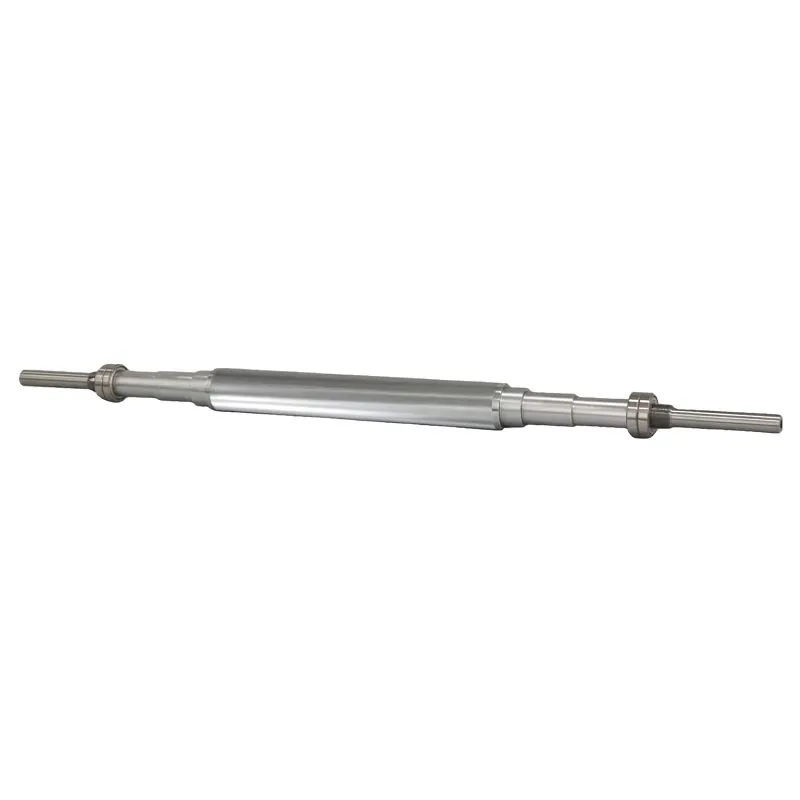
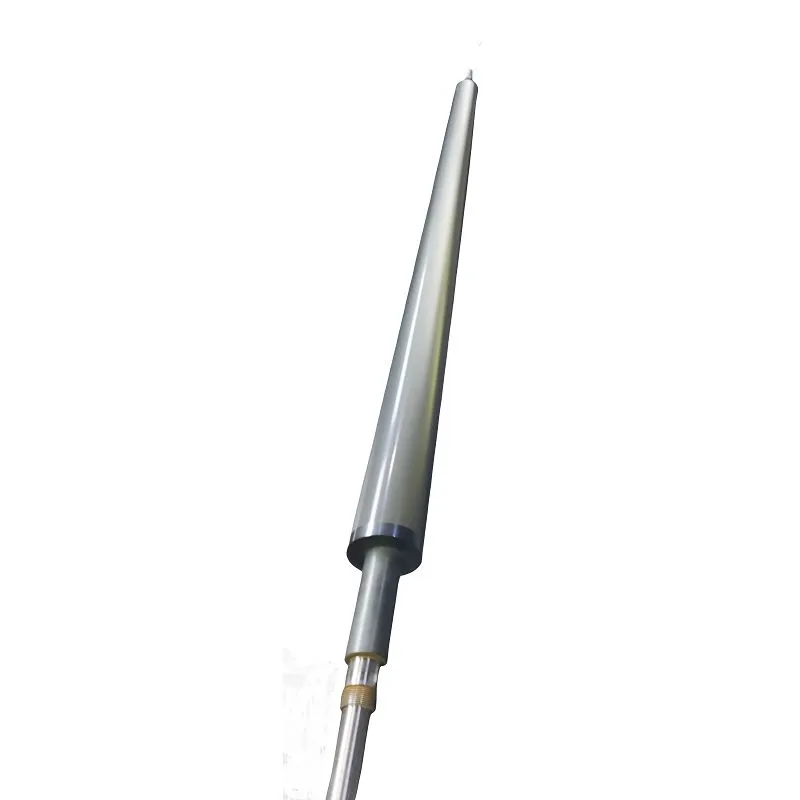
As a leading supplier of Packaging Micro Gravure Rolls, we offer a wide range of products to meet the diverse needs of the packaging industry. Our Packaging Micro Gravure Roll is designed with precision to ensure accurate ink and coating transfer. We also provide Adhesive Coating Micro Gravure Roll for applications that require strong adhesion, and Ceramic Micro Gravure Roll for enhanced durability and performance.
Contact Us for Purchase and Consultation
If you're looking to improve the quality of your packaging production by optimizing the speed ratio between the micro gravure roll and the substrate, we're here to help. Our team of experts can provide you with in - depth advice on speed ratio adjustment and recommend the most suitable micro gravure roll for your specific needs. Whether you're a small - scale packaging business or a large - scale manufacturer, we can offer customized solutions to meet your requirements. Don't hesitate to reach out to us for further discussions and potential procurement opportunities.
References
- "Gravure Printing Technology" by John Smith
- "Packaging Materials and Processes" by Jane Doe
- Industry whitepapers on micro gravure roll applications and speed ratio optimization