


In the world of printing, the anilox sleeve plays a pivotal role in ensuring high - quality and consistent print results. As a supplier of High Line Count Anilox Sleeves, I have witnessed firsthand the significant impact these sleeves can have on the printing process. In this blog, I will delve into the characteristics that define a high - quality High Line Count Anilox Sleeve.
1. High Line Count Precision
The most obvious characteristic of a High Line Count Anilox Sleeve is, of course, its high line count. Line count refers to the number of cells per linear inch on the surface of the anilox sleeve. A high line count, typically ranging from 800 to 2000 lines per inch (lpi), allows for more precise ink transfer.
With a higher line count, the cells on the sleeve are smaller and more numerous. This enables the sleeve to hold and transfer a very fine and consistent layer of ink. In applications such as high - resolution printing, like in the packaging of luxury products or high - end magazines, a high line count is essential. It can reproduce fine details, sharp images, and smooth color gradients with remarkable accuracy. For example, in printing intricate patterns on cosmetic packaging, a High Line Count Anilox Sleeve can ensure that every small element of the design is printed clearly and precisely.
2. Uniform Cell Geometry
Another crucial characteristic of a high - quality High Line Count Anilox Sleeve is the uniformity of its cell geometry. The cells on the sleeve should have consistent shape, size, and depth. This uniformity is vital for even ink distribution across the printing surface.
When the cells are uniform, the ink is transferred in a predictable and consistent manner. Any irregularities in cell geometry can lead to uneven ink coverage, resulting in visible streaks or blotches on the printed material. Advanced manufacturing techniques, such as laser engraving, are often used to achieve high - precision cell geometry. Laser - engraved High Line Count Anilox Sleeves can create cells with extremely accurate dimensions, ensuring that the ink transfer is consistent from one cell to another.
3. Excellent Surface Finish
The surface finish of a High Line Count Anilox Sleeve is also of great importance. A smooth and defect - free surface is necessary for proper ink release. If the surface has rough spots or imperfections, it can cause the ink to stick to the sleeve instead of being transferred to the printing substrate.
A high - quality sleeve will have a polished surface that allows the ink to flow smoothly. This not only improves the ink transfer efficiency but also reduces the risk of ink buildup on the sleeve. Regular cleaning and maintenance can help preserve the surface finish of the sleeve. However, the initial quality of the surface finish is determined by the manufacturing process. For instance, sleeves made with high - grade materials and advanced finishing techniques will have a superior surface that enhances the overall printing performance.
4. Durability and Resistance
In a printing environment, anilox sleeves are subjected to various stresses, including mechanical wear, chemical exposure, and high - pressure contact with other printing components. A high - quality High Line Count Anilox Sleeve must be durable and resistant to these factors.
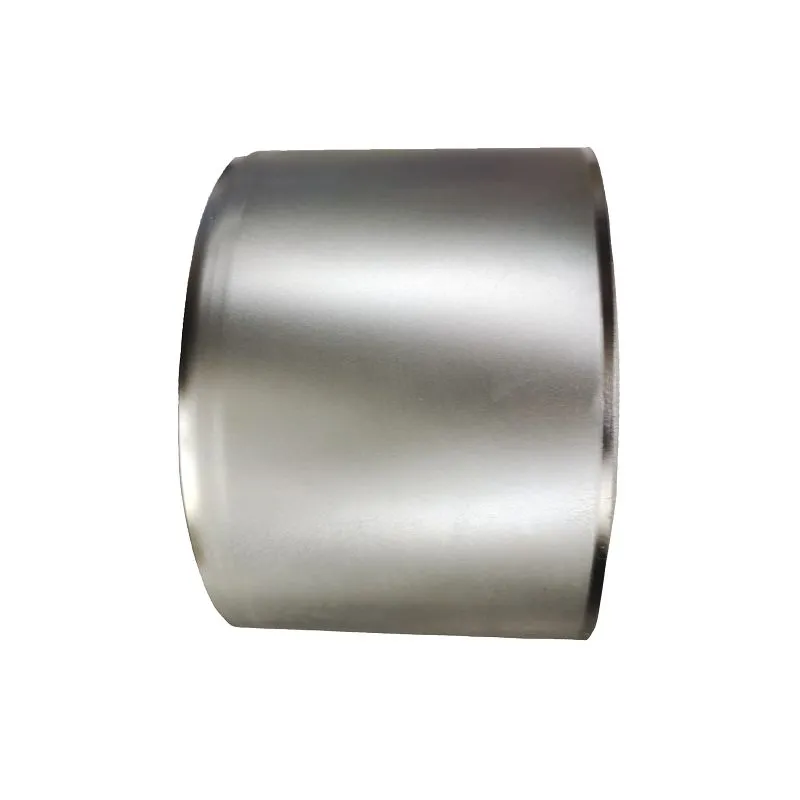
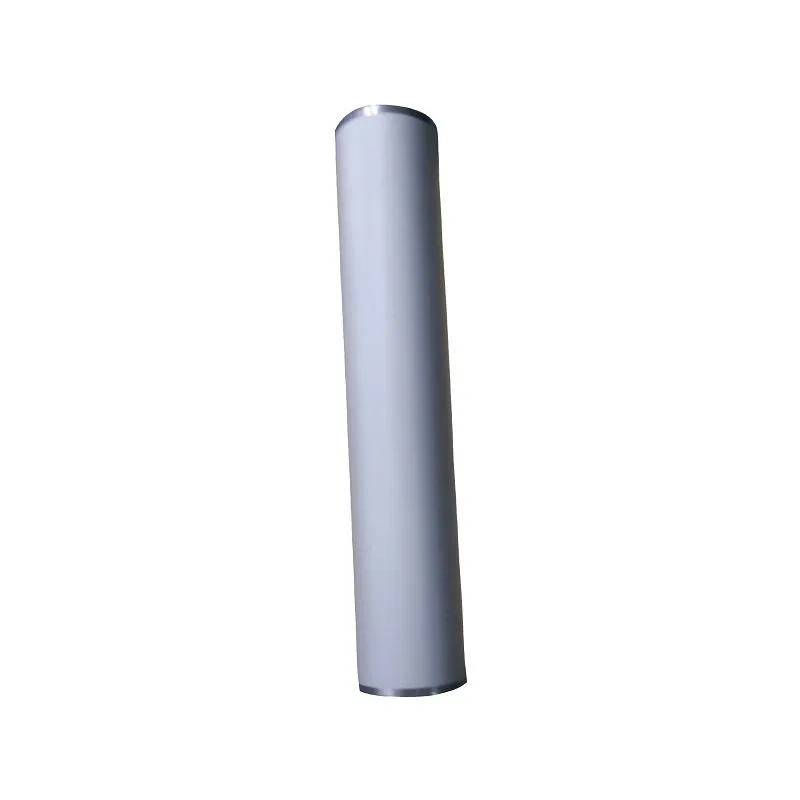
It should be able to withstand the repeated contact with the doctor blade, which is used to remove excess ink from the sleeve. A durable sleeve will not wear down quickly, ensuring a longer service life and more consistent print quality over time. Additionally, it should be resistant to the chemicals used in the ink and cleaning solutions. Some sleeves are made from special composite materials that offer excellent chemical resistance. For example, the Composite Material Anilox Sleeve is designed to resist the corrosive effects of different inks and solvents, making it a reliable choice for long - term use.
5. Compatibility with Printing Systems
A high - quality High Line Count Anilox Sleeve must be compatible with a wide range of printing systems. Different printing presses have different requirements in terms of sleeve diameter, mounting mechanism, and operating conditions.
The sleeve should be able to fit seamlessly onto the printing cylinder and work effectively with the specific doctor blade and ink system of the press. It should also be able to operate at the required printing speeds without compromising the print quality. For example, in a high - speed flexographic printing press, the sleeve needs to be able to transfer ink quickly and accurately to keep up with the fast - paced production. Our High Line Count Anilox Sleeve is designed to be highly compatible with various printing systems, ensuring that it can be integrated into different production setups with ease.
6. Consistent Ink Transfer Rate
A key characteristic of a high - quality High Line Count Anilox Sleeve is its ability to maintain a consistent ink transfer rate. The ink transfer rate refers to the amount of ink that is transferred from the sleeve to the printing substrate.
This consistency is crucial for achieving uniform color and print quality across the entire printed area. A reliable sleeve will have a well - defined ink transfer rate that can be adjusted according to the specific printing requirements. Factors such as the cell volume, line count, and surface tension of the sleeve all influence the ink transfer rate. By carefully controlling these parameters during the manufacturing process, we can ensure that our High Line Count Anilox Sleeves provide a consistent and accurate ink transfer, resulting in high - quality prints every time.
7. Low Maintenance Requirements
In a busy printing operation, minimizing maintenance time and costs is essential. A high - quality High Line Count Anilox Sleeve should have low maintenance requirements.
This means that it should be easy to clean and should not require frequent replacement. Some sleeves, like the Fiber Glass Anilox Sleeve, are designed to be self - cleaning to a certain extent. They have a smooth surface that resists ink buildup, reducing the need for intensive cleaning. Additionally, their durable construction means that they can last longer without needing to be replaced, saving both time and money for the printing business.
Contact for Procurement
If you are in the market for a high - quality High Line Count Anilox Sleeve, I encourage you to reach out for a procurement discussion. We are committed to providing you with the best products that meet your specific printing needs. Whether you are involved in packaging printing, label printing, or any other printing application, our High Line Count Anilox Sleeves can help you achieve outstanding print results.
References
- Smith, J. (2018). "Advances in Anilox Sleeve Technology". Printing Industry Journal.
- Johnson, R. (2019). "The Role of High Line Count Anilox Sleeves in High - Resolution Printing". Packaging and Printing Research.