


Hey there! As a supplier of Aluminium-based Anilox Sleeves, I often get asked about the maximum speed at which these sleeves can operate. It's a crucial question, especially for those in the printing and coating industries where efficiency and quality are top priorities. In this blog, I'll dig into this topic, sharing some valuable insights and factors that influence the maximum operating speed of Aluminium-based Anilox Sleeves.
Understanding Aluminium-based Anilox Sleeves
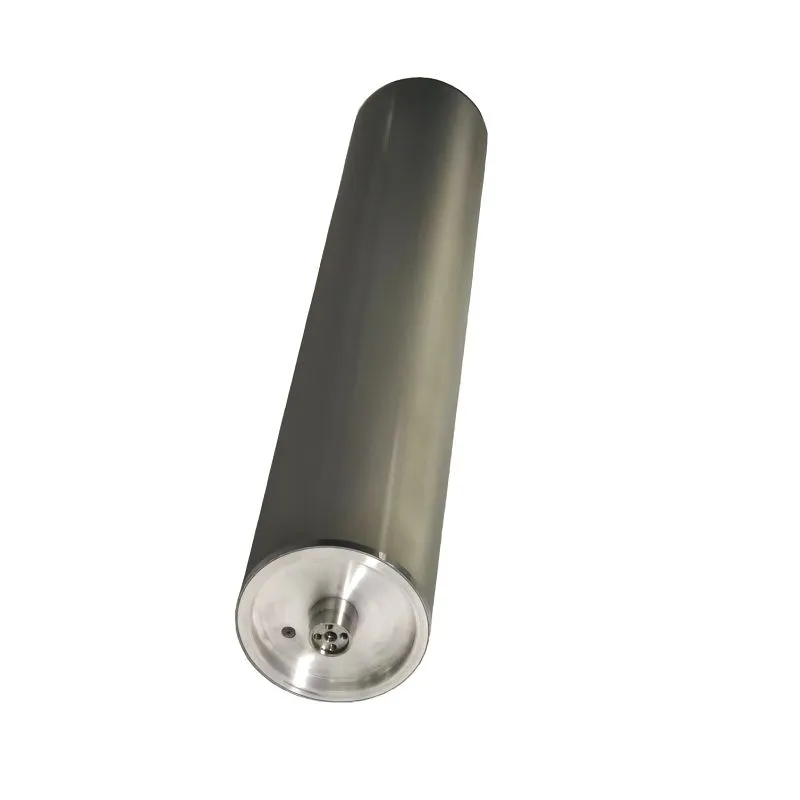
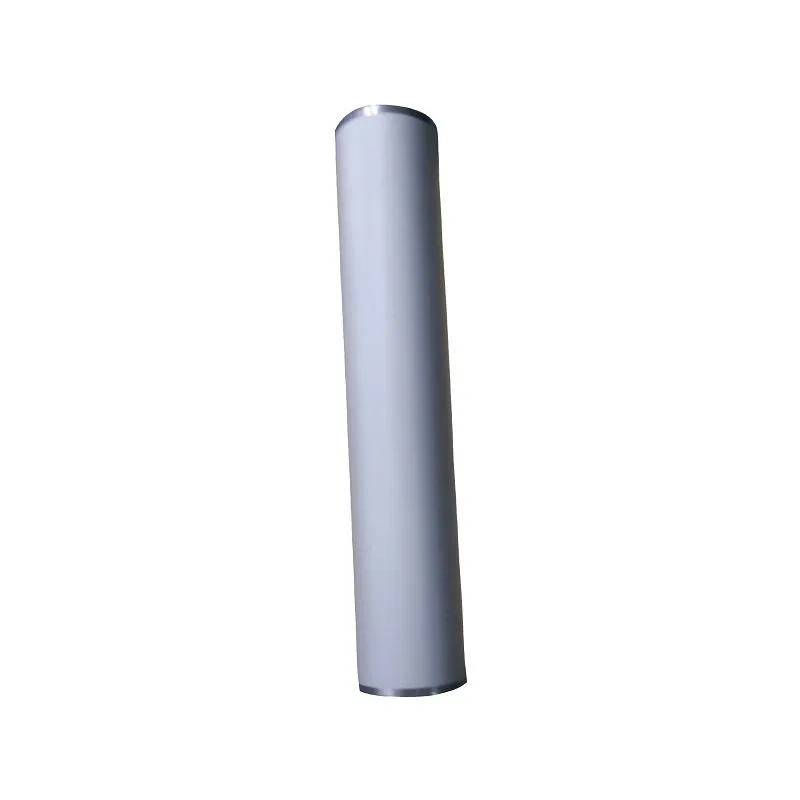
Before we get into the speed aspect, let's quickly go over what Aluminium-based Anilox Sleeves are. These sleeves are an essential part of the flexographic and gravure printing processes. They're made of aluminium, which provides a sturdy and reliable base. The surface of the sleeve is engraved with tiny cells that hold and transfer ink or coating onto the substrate. This engraved pattern is what determines the amount and distribution of the ink or coating, making it a key component in achieving high - quality prints.
If you're interested in other types of anilox sleeves, you can check out our Fiber Glass Anilox Sleeve and High Line Count Anilox Sleeve.
Factors Affecting the Maximum Operating Speed
There are several factors that come into play when determining the maximum speed at which an Aluminium-based Anilox Sleeve can operate.
1. Cell Geometry
The size, shape, and depth of the cells on the anilox sleeve have a significant impact on its operating speed. Smaller cells can hold less ink, but they can also transfer it more precisely. However, at high speeds, the ink may not have enough time to fill these small cells properly. On the other hand, larger cells can hold more ink, but they may not provide the same level of precision. A sleeve with well - designed cell geometry can operate at higher speeds without sacrificing print quality.
2. Ink Viscosity
The viscosity of the ink or coating being used is another crucial factor. Thicker inks are more difficult to transfer at high speeds because they don't flow as easily into the cells of the anilox sleeve. If the ink is too thick, it can cause clogging in the cells, leading to uneven ink distribution and poor print quality. Thinner inks, on the other hand, can flow more easily and are better suited for high - speed operations. But they also need to have the right amount of tack to adhere properly to the substrate.
3. Printing Pressure
The pressure applied during the printing process affects the speed at which the anilox sleeve can operate. Too much pressure can cause the cells to deform, leading to inconsistent ink transfer. It can also put more stress on the sleeve, reducing its lifespan. On the other hand, too little pressure may result in insufficient ink transfer. Finding the right balance of printing pressure is essential for achieving optimal speed and print quality.
4. Substrate Type
The type of substrate being printed on can also influence the maximum operating speed. Different substrates have different surface characteristics, such as porosity and smoothness. Porous substrates can absorb ink more quickly, which may allow for higher speeds. However, if the ink dries too quickly, it can cause problems with the transfer process. Smooth substrates may require more precise ink transfer, which can limit the speed at which the anilox sleeve can operate.
5. Machine Capabilities
The printing or coating machine itself plays a big role in determining the maximum speed. The machine's motor power, precision of movement, and ability to handle high - speed operations all affect how fast the anilox sleeve can spin. A well - maintained and high - quality machine can support higher speeds compared to an older or less - capable machine.
Typical Maximum Speeds
Based on industry experience and research, Aluminium-based Anilox Sleeves can typically operate at speeds ranging from 300 to 1200 feet per minute (fpm). However, this is a very general range, and the actual maximum speed can vary widely depending on the factors mentioned above.
For example, in a simple flexographic printing application with a low - viscosity ink and a porous substrate, the anilox sleeve may be able to operate at speeds closer to 1200 fpm. On the other hand, in a more complex coating application with a high - viscosity coating and a smooth substrate, the maximum speed may be closer to 300 fpm.
Testing and Optimization
To determine the maximum speed for a specific application, it's important to conduct testing. This involves running the printing or coating process at different speeds and monitoring the print quality. You can start at a relatively low speed and gradually increase it while checking for any signs of poor ink transfer, clogging, or other issues.
Once you've found the maximum speed that still produces high - quality prints, you can optimize the process further. This may involve adjusting the ink viscosity, printing pressure, or other parameters to ensure consistent performance at that speed.
Benefits of High - Speed Operation
Operating an Aluminium-based Anilox Sleeve at its maximum speed offers several benefits. First and foremost, it increases productivity. The faster the sleeve can operate, the more prints or coatings can be produced in a given time. This can lead to higher profits and a more competitive edge in the market.
Secondly, high - speed operation can also improve the quality of the prints. When the sleeve is operating at an optimal speed, the ink transfer is more consistent, resulting in sharper images and more uniform color distribution.
Why Choose Our Aluminium-based Anilox Sleeves
As a supplier of Aluminium-based Anilox Sleeves, we take pride in offering high - quality products. Our sleeves are manufactured using the latest technology and materials, ensuring excellent cell geometry and durability. We understand the importance of speed and quality in the printing and coating industries, and we work closely with our customers to help them achieve the best results.
If you're interested in learning more about our Aluminium-based Anilox Sleeve or have any questions about the maximum operating speed, feel free to get in touch. We're here to assist you in finding the right solution for your specific needs. Whether you're a small - scale printer or a large - scale manufacturer, we can provide you with the support and products you need to succeed.
Conclusion
Determining the maximum speed at which an Aluminium-based Anilox Sleeve can operate is a complex process that involves considering multiple factors. By understanding these factors and conducting proper testing, you can find the optimal speed for your specific application. Our high - quality Aluminium-based Anilox Sleeves are designed to help you achieve high - speed, high - quality printing and coating. If you're looking to improve your production efficiency and print quality, don't hesitate to contact us for more information.
References
- Flexographic Printing Technical Association (FPTA) publications
- Gravure Association of America (GAA) research reports
- Industry - specific journals on printing and coating technologies