


Hey there! I'm a supplier of Brush To Metal Anilox Roller, and today I want to chat about the relationship between the roller diameter and ink transfer of a Brush To Metal Anilox Roller. It's a topic that's super important in the printing industry, and understanding it can really help you get the best results in your printing jobs.
The Basics of Anilox Rollers
First off, let's quickly go over what an anilox roller is. An anilox roller is a key component in flexographic and gravure printing. It's a cylinder with tiny cells engraved on its surface, and these cells hold and transfer ink to the printing plate. The Brush To Metal Anilox Roller, in particular, is known for its high - quality construction and efficient ink transfer capabilities.
How Roller Diameter Affects Ink Transfer
1. Ink Capacity
The diameter of the anilox roller plays a big role in its ink capacity. A larger - diameter roller has a greater surface area. With more surface area, there are more cells available to hold ink. Think of it like a bigger bucket can hold more water. When the roller has a larger diameter, it can carry more ink in those engraved cells. This means that for a given printing job, it can transfer more ink to the printing plate in one pass.
For example, if you're printing a job that requires a high - density ink coverage, like a solid color area, a larger - diameter anilox roller can be a great choice. It can hold enough ink to provide that rich, even color across the printed area.
2. Ink Distribution
The diameter also affects how evenly the ink is distributed. A larger - diameter roller rotates more smoothly. As it rotates, the ink is spread more evenly across the surface of the roller. This even distribution is crucial for getting a consistent print quality. When the ink is distributed evenly, there are no streaks or uneven patches on the printed material.
On the other hand, a smaller - diameter roller might not distribute the ink as evenly. It may have a tendency to create uneven pressure points during rotation, which can lead to inconsistent ink transfer.
3. Speed and Efficiency
In a printing press, the speed of operation is important. A larger - diameter anilox roller can operate at a higher speed without sacrificing ink transfer quality. This is because it has more surface area to carry the ink, and it can transfer the ink more quickly to the printing plate. This increased speed can lead to higher production rates, which is a big advantage for commercial printing operations.
However, it's important to note that a larger - diameter roller also requires more power to rotate. So, there's a balance that needs to be struck between the benefits of increased speed and the energy consumption.
Other Factors Affecting Ink Transfer
1. Cell Geometry
The shape and size of the cells on the anilox roller are also critical. Different cell geometries can hold different amounts of ink and transfer it in different ways. For example, hexagonal cells are known for their high ink - holding capacity, while square cells can provide a more precise ink transfer.
2. Doctor Blade
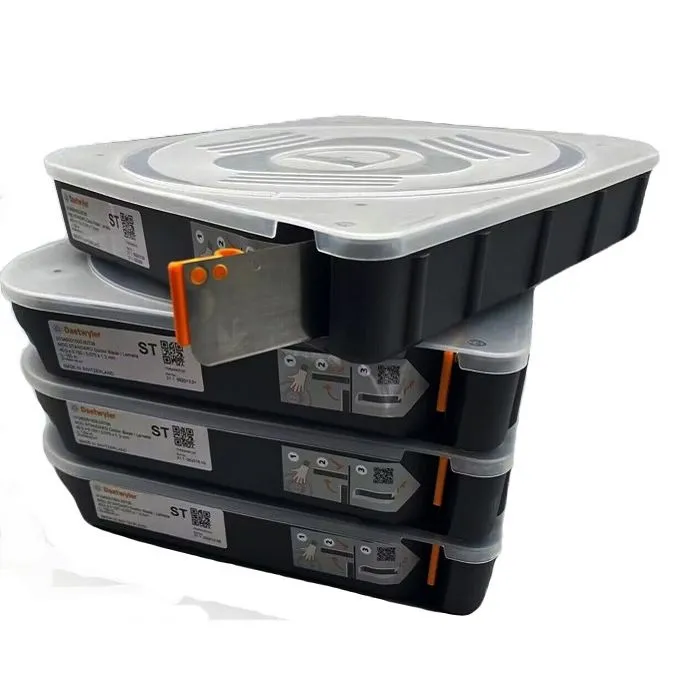
The doctor blade is used to remove excess ink from the anilox roller. The type and quality of the doctor blade can have a significant impact on ink transfer. A well - designed doctor blade can ensure that only the right amount of ink remains in the cells of the anilox roller, which is crucial for accurate ink transfer.
3. Knurling Tool
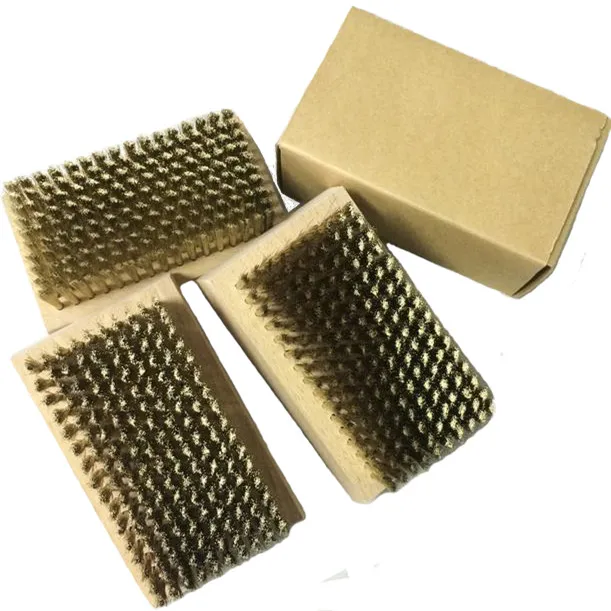
The knurling tool is used to create a rough surface on the anilox roller, which can help with ink adhesion. A properly knurled surface can improve the ink - holding capacity of the roller and enhance the overall ink transfer process.
Choosing the Right Roller Diameter
When choosing the diameter of the Brush To Metal Anilox Roller for your printing job, you need to consider several factors. If you're printing a job with high - density ink requirements, a larger - diameter roller might be the way to go. But if you're working on a job that requires more precision and less ink, a smaller - diameter roller could be more suitable.
You also need to think about the capabilities of your printing press. Make sure that the press can handle the size and weight of the roller you choose. And don't forget about the cost. Larger - diameter rollers are generally more expensive, so you need to weigh the benefits against the cost.
Conclusion
In conclusion, the relationship between the roller diameter and ink transfer of a Brush To Metal Anilox Roller is complex but very important. The diameter affects the ink capacity, distribution, and speed of the roller, all of which have a direct impact on the quality and efficiency of the printing process.
If you're in the market for a Brush To Metal Anilox Roller, or if you have any questions about how to choose the right one for your printing needs, don't hesitate to reach out. We're here to help you make the best decision for your business. Whether you need advice on roller diameter, cell geometry, or any other aspect of anilox rollers, we've got the expertise to guide you. Let's have a chat and see how we can improve your printing operations together.
References
- Smith, J. (2020). "Advances in Anilox Roller Technology". Printing Industry Journal.
- Johnson, A. (2019). "Ink Transfer in Flexographic Printing". Printing Research Quarterly.