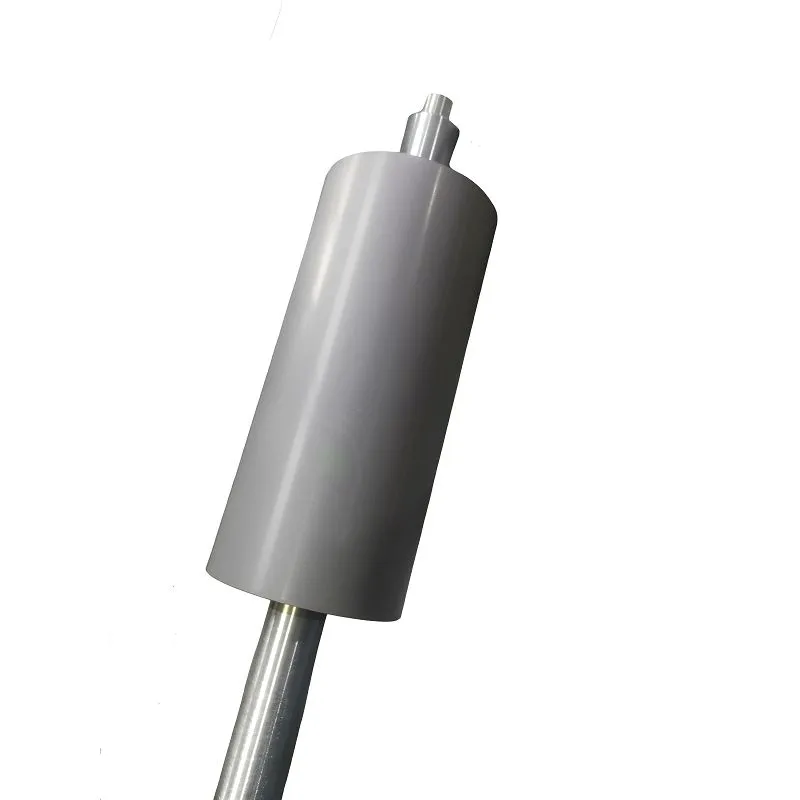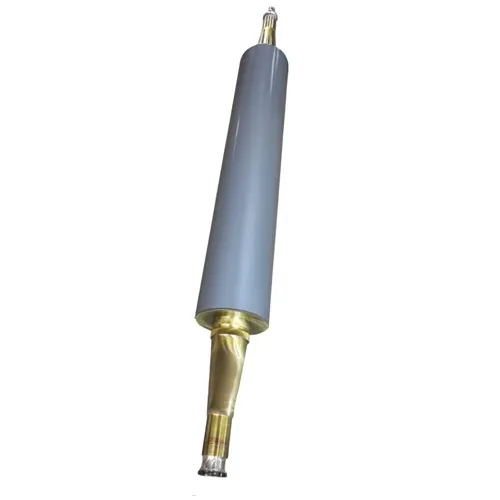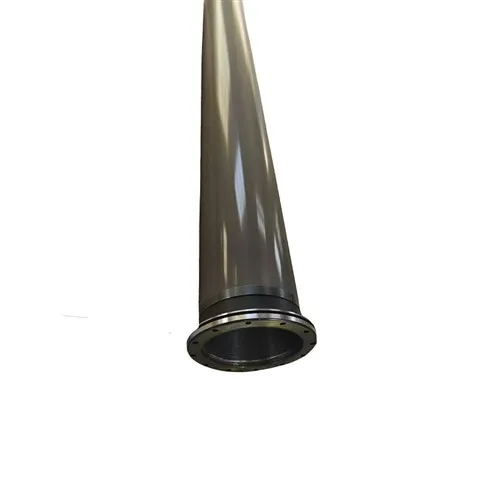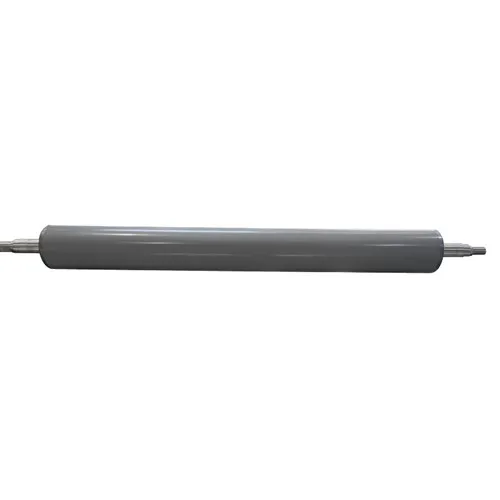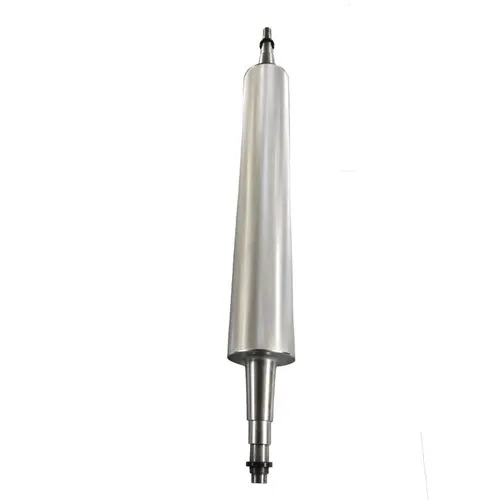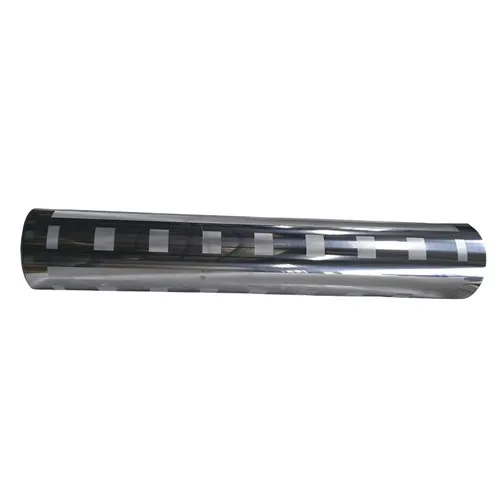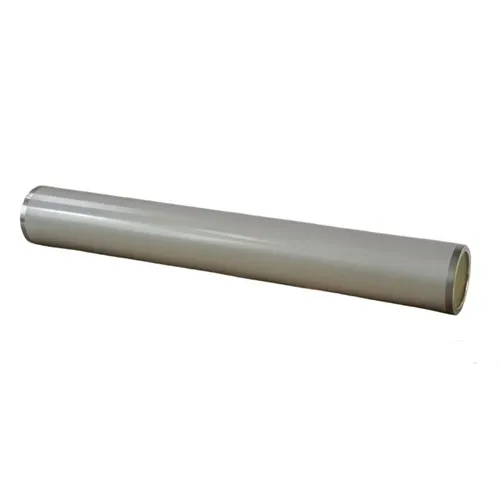
An embossing roller is an important component in textile machinery. Its main function is to create patterns and embossing effects on the fabric surface through contact. During use, due to friction with the fabric, the embossing roller will gradually wear down, affecting its performance and lifespan.
The wear level of an embossing roller can be judged through the following aspects:
Visual Inspection: First, the wear level of the embossing roller can be judged by its appearance. A severely worn embossing roller will show obvious wear marks on its surface, possibly including dents and scratches. In addition, the surface pattern will gradually become blurred, losing its original clarity.
Tactile Feel: Touch the surface of the embossing roller to feel its smoothness. A severely worn embossing roller will usually feel rough, losing its original smoothness.
Usage Effect: The wear level of the embossing roller can also be judged by its performance during use. If the embossing effect deteriorates, the pattern becomes unclear, or even incomplete embossing occurs, it may be due to severe wear of the embossing roller.
Dimensional Measurement: The wear level can also be judged by measuring changes in the dimensions of the embossing roller. Generally, severely worn embossing rollers will show signs of reduced diameter and surface height.
If a severely worn embossing roller is found, it needs to be replaced promptly to ensure the normal operation of the textile machinery and a good embossing effect. At the same time, regular maintenance of the embossing roller is important to reduce wear and extend its service life.