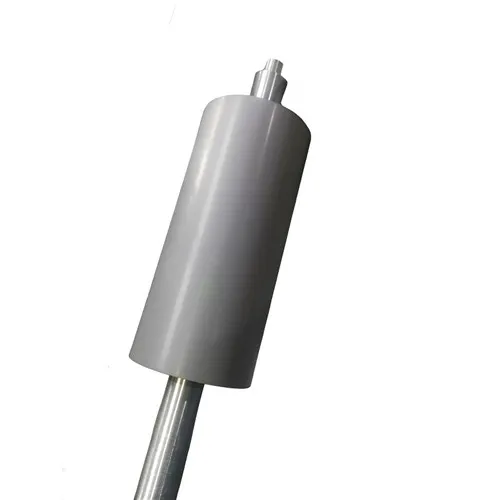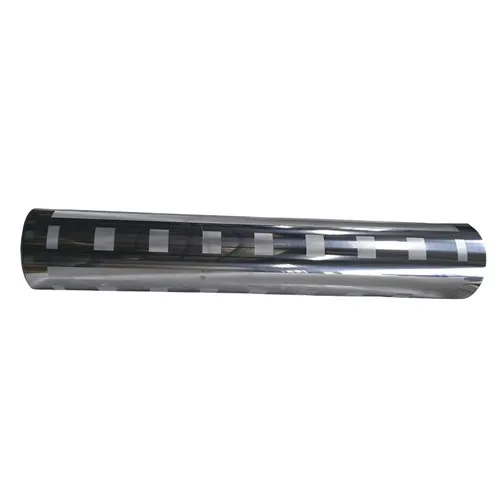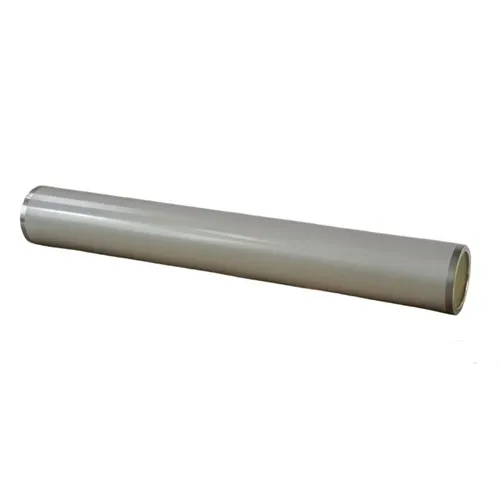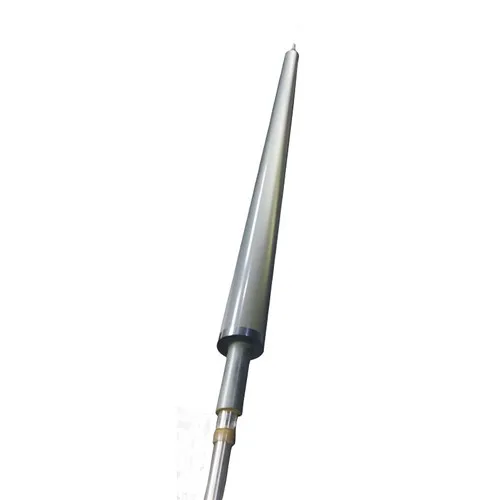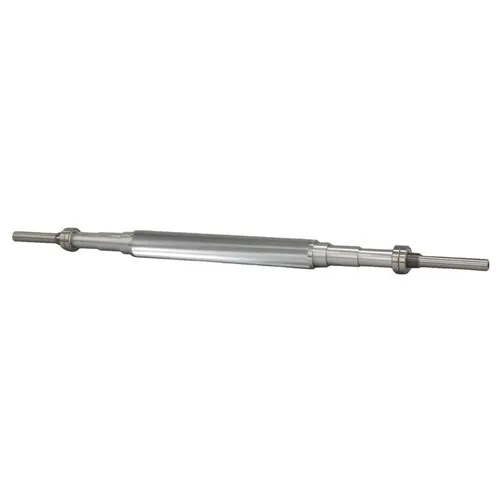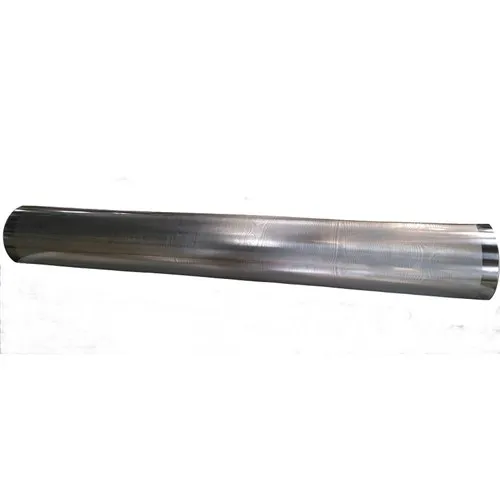
An embossing roller is a tool used to process fabrics, primarily for adding different patterns and textures to the fabric surface. Using an embossing roller can enhance the beauty and texture of fabrics, making them more fashionable and personalized. Here are the steps for using an embossing roller:
Preparation: First, prepare the fabric to be embossed and the appropriate embossing roller. Ensure the fabric is flat, clean, and free of wrinkles and stains to avoid affecting the processing results. Select a suitable embossing roller based on the design pattern and texture.
Adjusting Machine Parameters: Adjust the machine pressure and speed according to the fabric's material and thickness to ensure suitability for embossing. Generally, higher temperature and pressure from the embossing roller result in a deeper texture and better effect, but adjustments should be made based on the fabric's characteristics to avoid damaging it.
Embossing Process: Place the fabric on the embossing machine's worktable, place the embossing roller on the front side of the fabric, and feed the fabric and roller together into the embossing machine for processing. To ensure the fabric and embossing roller are flat, avoid wrinkles and missed areas, which will affect the processing result.
Check the effect: After processing, remove the embossed fabric and check the effect. If unsatisfied, readjust the machine parameters or replace the embossing roller for reprocessing until the desired effect is achieved.
Post-processing: After processing, post-processing can be performed as needed, such as ironing, trimming, and sewing, to further enhance the fabric's appearance.
In summary, using embossing rollers requires careful selection of suitable fabric and rollers, proper machine parameter adjustment, ensuring fabric flatness and a good processing effect, checking the processing result, and performing post-processing to achieve the desired embossing effect. We hope this information is helpful.