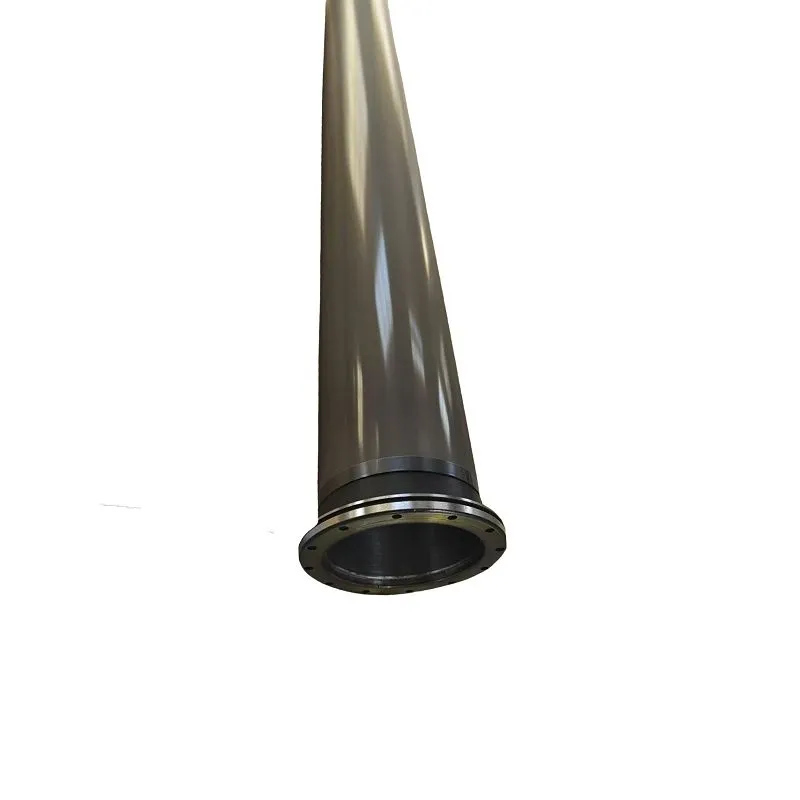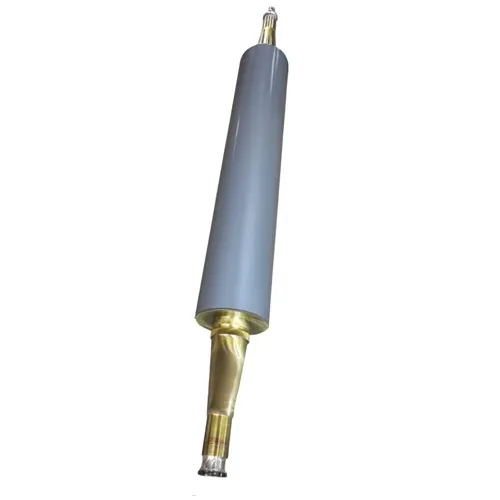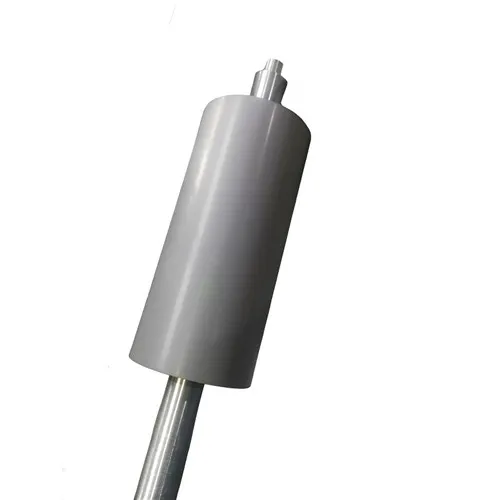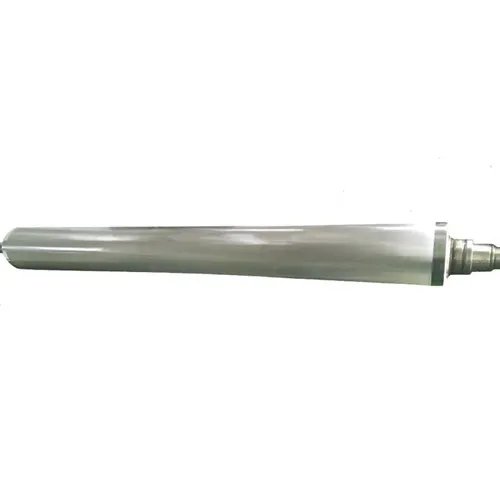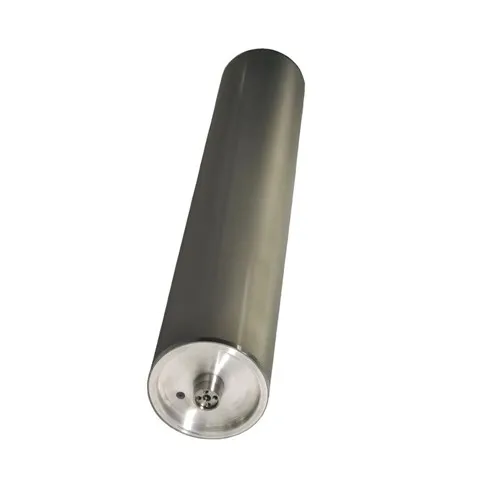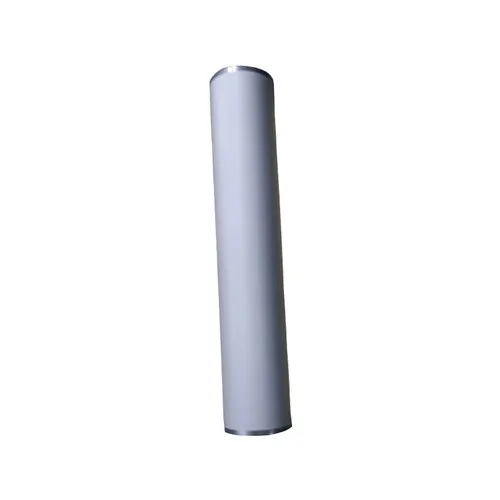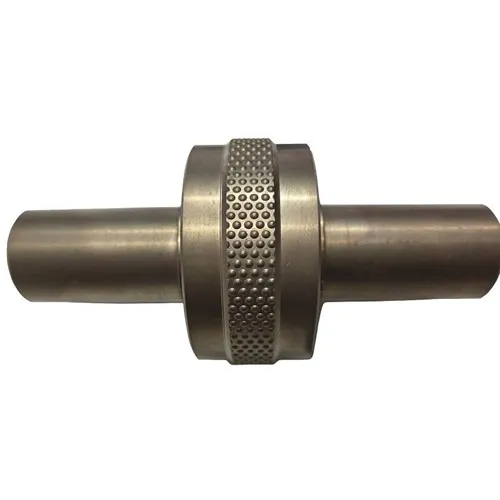




The performance parameters of embossing rollers are crucial to their application effect and service life. Here are some key points about the performance parameters of embossing rollers for your reference:
Material and Hardness:
Material: Embossing rollers require materials with good strength, hardness, and wear resistance. Commonly used materials include carbon steel, chromium-molybdenum alloy steel, and stainless steel. Carbon steel has moderate surface hardness, suitable for general coating needs; chromium-molybdenum alloy steel has high surface hardness and good corrosion resistance, suitable for applications requiring high coating quality; stainless steel has excellent rust resistance and aesthetics.
Hardness: The hardness of embossing rollers is an important performance indicator. Different industries have different hardness requirements for embossing rollers. For example, the printing industry generally requires a Shore A hardness of 20 to 50, while the paper industry typically requires a Shore A hardness of 40 to 95.
Surface Treatment: The surface treatment of embossing rollers directly affects the coating quality. Common surface treatment methods include polishing, turning, and electrical discharge machining (EDM). Polishing increases the smoothness of the embossing roller surface, reduces the surface contact area, lowers the friction of the coating, and improves the coating effect. Turning is suitable for processing large rollers, while electrical discharge machining (EDM) can create patterns.
Manufacturing Process: The roller body is generally made of seamless steel pipe (special materials can be customized according to user needs), and is manufactured through steps such as boring the inner hole, stress relief treatment, turning, grinding, and precision machining.
The coaxiality of the finished roller is required to be very high, generally ≤0.02mm, to ensure that the embossed product has clear lines, exquisite patterns, and rich layers.
Surface treatment also includes hard chrome plating or other treatments, with a hardness reaching HRC58-62, to improve the wear resistance and service life of the embossing roller.
Usage Environment: The usage environment of the embossing roller also affects its performance. For example, in harsh environments such as high temperature, high pressure, and corrosion, the durability and service life of the embossing roller will be challenged. Therefore, when designing and selecting embossing rollers, it is necessary to consider the usage environment and select materials and processes that are resistant to high temperatures and corrosion.
Service Life and Durability: The service life and durability of embossing rollers primarily depend on factors such as material quality, processing technology, usage environment, and usage methods. High-quality alloy steel, appropriate process parameters, selection of high-temperature and corrosion-resistant materials, and correct usage and maintenance measures can all improve the service life and durability of embossing rollers.
In summary, understanding the performance parameters of embossing rollers, including material and hardness, surface treatment, manufacturing process, usage environment, and service life, helps in selecting suitable embossing rollers and fully utilizing their performance advantages.