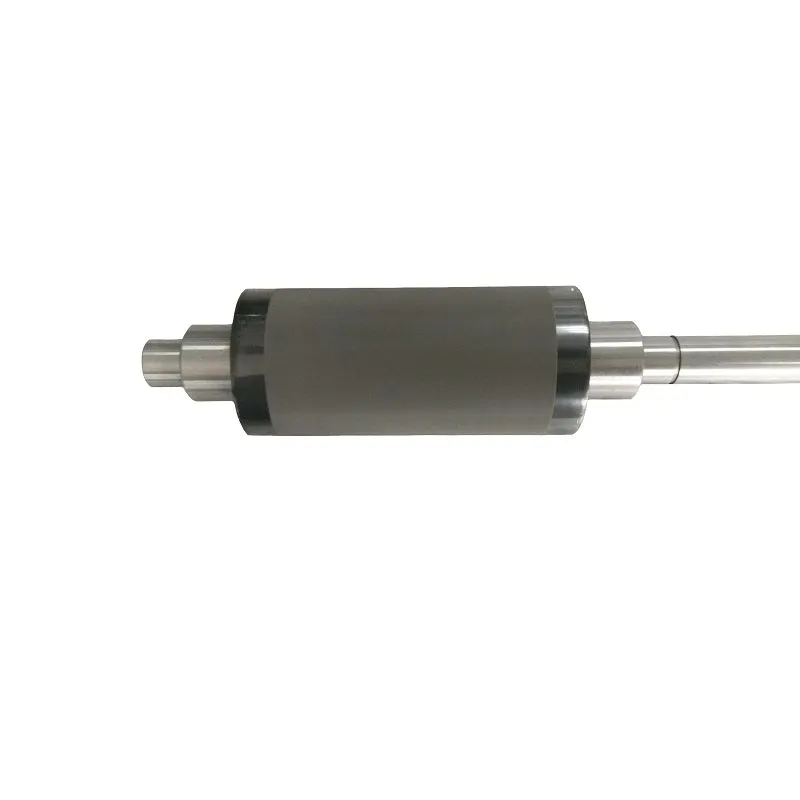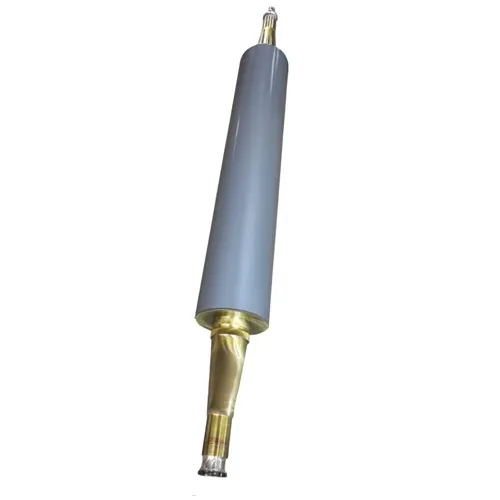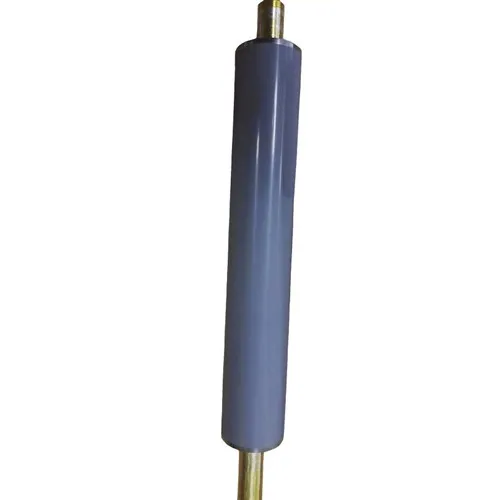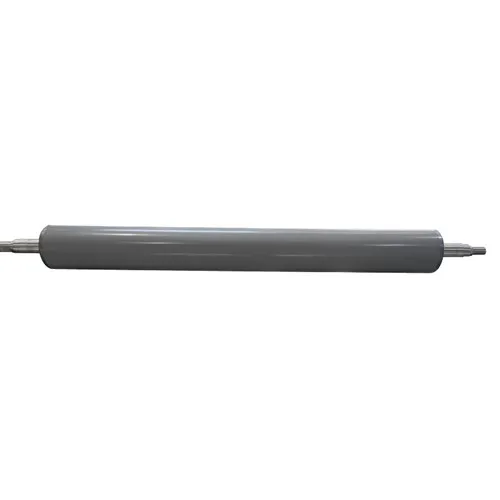




Metal anilox rollers and ceramic rollers are two commonly used types of roller equipment in industry, differing significantly in materials, performance, and applications. For core information about this product, please leave your contact information, and we will respond as soon as possible.
Below is a detailed comparison of the two:
Materials and Structure:
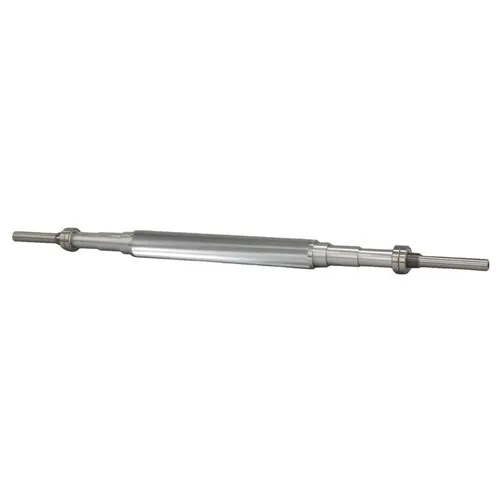
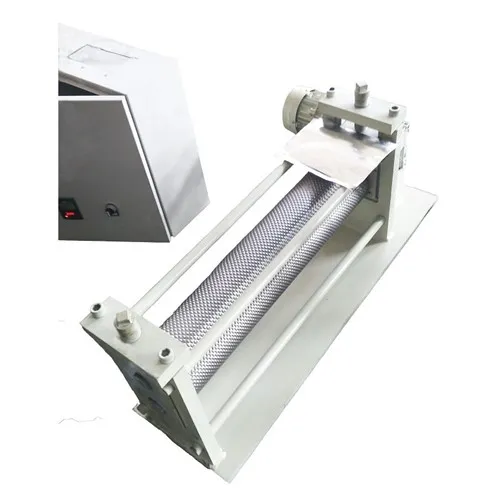
Metal Anilox Rollers: Typically made of high-strength alloy steel or stainless steel, with a mesh texture formed on the surface through laser engraving or chemical etching. The texture depth and density can be customized to meet specific needs.
Ceramic Rollers: Primarily made of ceramic materials such as alumina and zirconium oxide, with a high-hardness coating formed on the surface through sintering or spraying processes, exhibiting extremely high wear resistance and corrosion resistance.
Performance Characteristics:
Metal Anilox Rollers:
Advantages: Good elasticity, suitable for high-precision printing and coating; customizable mesh texture, suitable for fluid transfer with different viscosities and particle sizes.
Disadvantages: Poor wear resistance; the mesh texture wears down easily after long-term use, requiring regular repair or replacement.
Ceramic Rollers:
Advantages: High hardness (up to HRA90 and above), high temperature resistance (typically withstands temperatures above 1200℃), strong chemical corrosion resistance, and long service life.
Disadvantages: Relatively brittle, poor impact resistance, and high processing costs.
Application Scenarios:
Metal anilox rollers: Mainly used in flexographic printing, coating machines, laminating machines, and other applications requiring precise control of fluid transfer.
Ceramic rollers: Suitable for high-temperature environments (such as glass and ceramic sintering), highly corrosive media (such as the chemical industry), or high-wear conditions (such as mining machinery).
Cost and Maintenance:
Metal anilox rollers have lower initial costs but require more frequent maintenance; ceramic rollers have higher initial investment but lower long-term operating costs.
Industry Trends: With increasing demands for wear resistance and environmental protection, the application of ceramic rollers in high-end fields is increasing year by year, while metal anilox rollers still dominate the mid-to-low-end market.