


The coefficient of friction is a crucial parameter in various industrial applications, especially when it comes to the use of Ceramic Micro Gravure Roll. As a supplier of these high - precision rolls, I have witnessed firsthand the importance of understanding the coefficient of friction in optimizing the performance of these products.
Understanding the Coefficient of Friction
The coefficient of friction is a dimensionless quantity that represents the ratio of the frictional force between two surfaces in contact to the normal force pressing the two surfaces together. In the context of a Ceramic Micro Gravure Roll, it plays a significant role in the transfer of materials, such as inks, adhesives, and coatings.
There are two main types of coefficients of friction: static and kinetic. The static coefficient of friction ($\mu_s$) is the value when the two surfaces are at rest relative to each other, and it must be overcome to initiate motion. The kinetic coefficient of friction ($\mu_k$), on the other hand, is relevant when the surfaces are in relative motion. Generally, $\mu_s > \mu_k$.
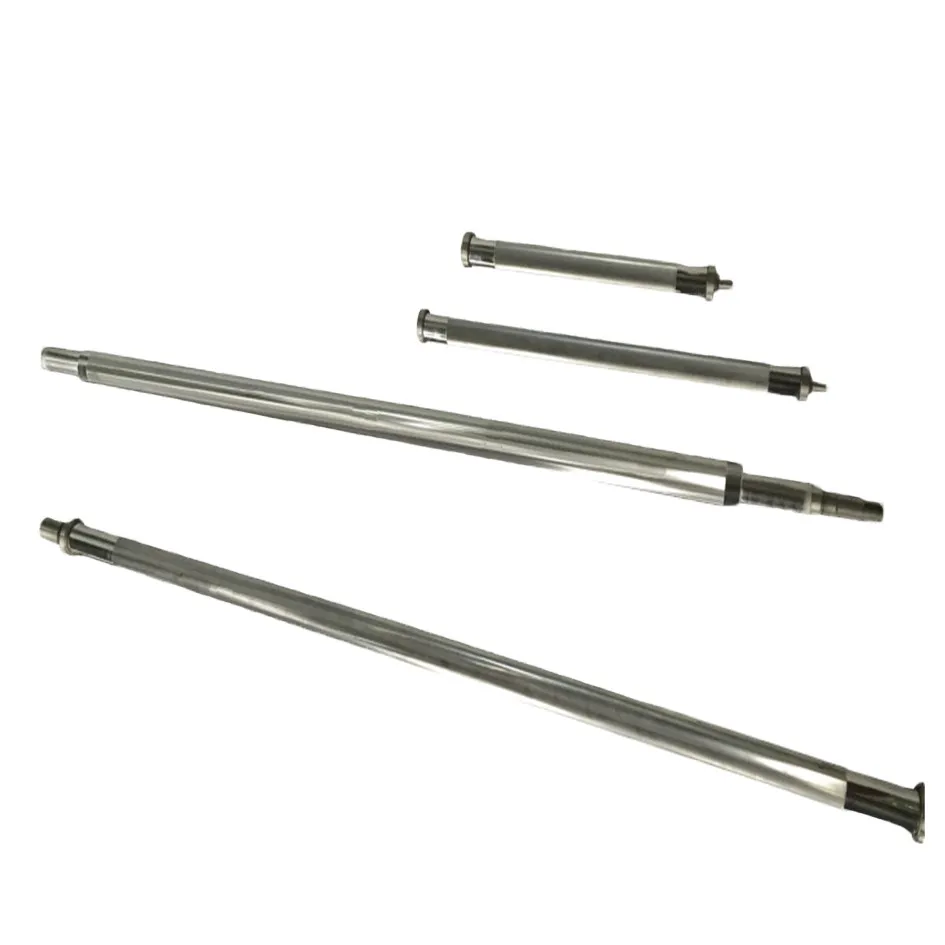
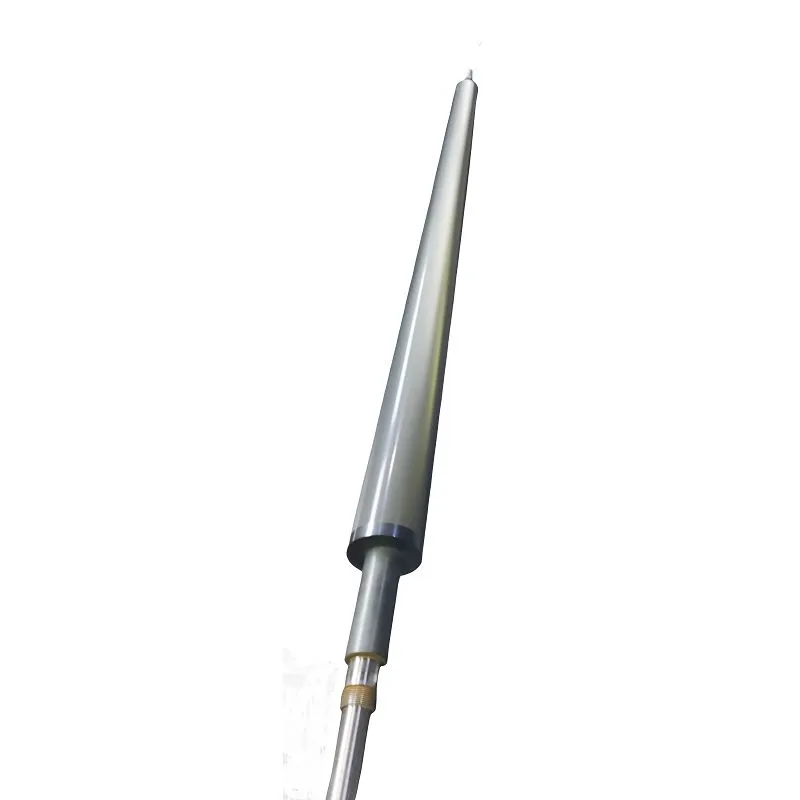
Factors Affecting the Coefficient of Friction of a Ceramic Micro Gravure Roll
Surface Roughness
The surface roughness of the Ceramic Micro Gravure Roll has a direct impact on the coefficient of friction. A rougher surface can increase the frictional force as it creates more contact points between the roll and the material it is in contact with. However, an overly rough surface may also cause damage to the material being processed. Our company uses advanced manufacturing techniques to control the surface roughness of the rolls precisely, ensuring an optimal coefficient of friction for different applications.
Material Properties
The material properties of both the Ceramic Micro Gravure Roll and the material it interacts with are important. Ceramics have unique properties, such as high hardness, wear - resistance, and chemical stability. These properties can affect the frictional behavior. For example, if the roll is in contact with a soft polymer material, the coefficient of friction will be different compared to when it is in contact with a metal sheet.
Lubrication
Lubrication can significantly reduce the coefficient of friction. In some applications, a thin layer of lubricant may be applied between the roll and the material to minimize frictional forces. However, in the case of Film Coating Micro Gravure Roll and Adhesive Coating Micro Gravure Roll, inappropriate lubrication may interfere with the coating process. Therefore, we need to carefully consider the use of lubricants based on the specific requirements of the application.
Temperature
Temperature can also influence the coefficient of friction. As the temperature changes, the physical properties of both the roll and the material may change. For example, at high temperatures, the material may become softer, which can affect the frictional behavior. Our ceramic rolls are designed to have good thermal stability, minimizing the impact of temperature on the coefficient of friction.
Measuring the Coefficient of Friction
To accurately measure the coefficient of friction of a Ceramic Micro Gravure Roll, specialized equipment is required. One common method is to use a friction tester. The tester applies a known normal force to the roll and the material in contact and measures the frictional force required to move the material relative to the roll. By dividing the frictional force by the normal force, the coefficient of friction can be calculated.
We conduct extensive testing on our Ceramic Micro Gravure Rolls to ensure that the coefficient of friction meets the requirements of different applications. Our testing facilities are equipped with state - of - the - art equipment, allowing us to measure the coefficient of friction with high precision.
Importance of the Coefficient of Friction in Different Applications
Printing
In the printing industry, the coefficient of friction of the Ceramic Micro Gravure Roll is crucial for proper ink transfer. If the coefficient of friction is too low, the ink may not be transferred effectively from the roll to the printing substrate. On the other hand, if the coefficient of friction is too high, it may cause excessive wear on the roll and the substrate, and may also lead to uneven printing.
Coating
For Film Coating Micro Gravure Roll and Adhesive Coating Micro Gravure Roll, the coefficient of friction affects the uniformity and quality of the coating. A proper coefficient of friction ensures that the coating material is evenly spread on the substrate, resulting in a high - quality finish.
Laminating
In the laminating process, the coefficient of friction of the roll determines how well the different layers of materials are bonded together. If the coefficient of friction is not optimized, it may lead to delamination or poor adhesion between the layers.
Our Company's Approach to Optimizing the Coefficient of Friction
As a leading supplier of Ceramic Micro Gravure Rolls, we are committed to providing rolls with the optimal coefficient of friction for different applications. Our R & D team conducts in - depth research on the factors affecting the coefficient of friction and develops innovative manufacturing processes to control it precisely.
We work closely with our customers to understand their specific requirements. Based on the application, we can customize the surface properties of the roll to achieve the desired coefficient of friction. Whether it is for high - speed printing, precision coating, or laminating, our rolls are designed to perform at their best.
Conclusion
The coefficient of friction of a Ceramic Micro Gravure Roll is a complex but essential parameter that affects the performance of various industrial processes. Understanding the factors that influence it and being able to measure and control it accurately are key to ensuring high - quality products and efficient production.
If you are in need of high - quality Ceramic Micro Gravure Rolls for your printing, coating, or laminating applications, we invite you to contact us for a detailed discussion. Our team of experts is ready to assist you in finding the best solution for your specific needs.
References
- Bowden, F. P., & Tabor, D. (2001). The Friction and Lubrication of Solids. Oxford University Press.
- Bhushan, B. (2013). Introduction to Tribology. Wiley.