


Hey there! As a Doctor Blade supplier, I've gotten tons of questions about the differences between hard and soft Doctor Blades. So, I thought I'd break it down for you in this blog post.
First off, let's talk about what a Doctor Blade is. A Doctor Blade is a crucial part in many industrial processes, especially in printing and coating. It's used to remove excess ink, paint, or other substances from a surface, like an anilox roller. If you want to know more about Doctor Blades, you can check out this Doctor Blade link.
Hard Doctor Blades
Hard Doctor Blades are typically made from materials like steel or ceramic. These materials give the blade a high level of durability and resistance to wear.
One of the main advantages of hard Doctor Blades is their long lifespan. Since they're made from tough materials, they can withstand a lot of pressure and friction without getting damaged easily. This means you don't have to replace them as often, which can save you money in the long run.
Another benefit is their precision. Hard blades can provide a very accurate and consistent scrape, which is essential for high - quality printing and coating. They can remove the exact amount of material needed, leaving a smooth and even surface.
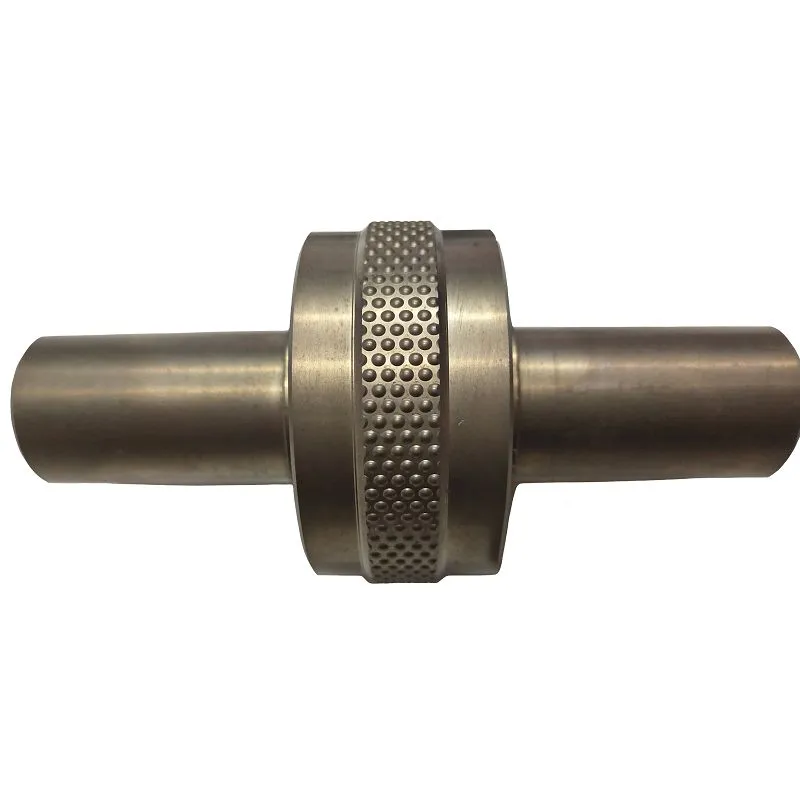
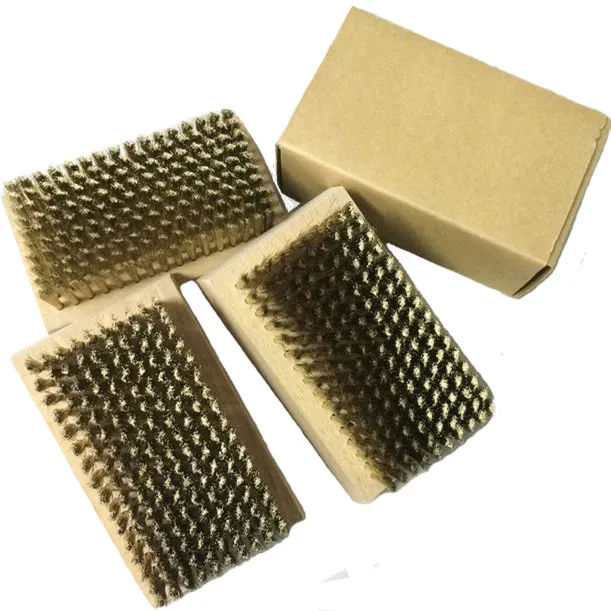
However, hard Doctor Blades also have some drawbacks. They can be quite harsh on the surface they're scraping. For example, if you're using a hard blade on an anilox roller, it can cause wear and tear on the roller over time. This might lead to the need for more frequent maintenance or replacement of the roller. You might also want to check out Brush To Metal Anilox Roller to see how different blades interact with these rollers.
Soft Doctor Blades
Soft Doctor Blades, on the other hand, are usually made from materials like polyurethane or rubber. These materials are more flexible compared to the ones used for hard blades.
The biggest advantage of soft Doctor Blades is their gentle touch. They're less likely to damage the surface they're scraping, which is great for delicate materials or equipment. For instance, if you're working with a sensitive anilox roller, a soft blade can help extend its lifespan.
Soft blades are also good at conforming to irregular surfaces. They can adapt to the shape of the roller or other surface, ensuring a more thorough and even scrape. This can be especially useful in applications where the surface isn't perfectly flat.
But soft Doctor Blades also have their limitations. They have a shorter lifespan compared to hard blades. The soft materials can wear out more quickly, especially under high - pressure or high - speed conditions. This means you'll have to replace them more often, which can add to the overall cost.
Performance in Different Applications
The choice between a hard and a soft Doctor Blade really depends on the specific application.
In high - speed printing, hard Doctor Blades are often the go - to choice. The high speed requires a blade that can withstand the pressure and provide a consistent scrape. For example, in a newspaper printing press, where thousands of pages are printed every hour, a hard blade can keep up with the speed and maintain the quality of the print.
On the other hand, in applications where the material being printed or coated is delicate, like in some types of packaging or label printing, soft Doctor Blades are preferred. They can prevent damage to the material and ensure a smooth finish.
Cost Considerations
When it comes to cost, it's not as straightforward as saying one type of blade is cheaper than the other. Hard Doctor Blades have a higher upfront cost, but they last longer. So, in the long run, if you're using them in an application where they can perform well for a long time, they might actually be more cost - effective.
Soft Doctor Blades, while having a lower upfront cost, need to be replaced more frequently. So, if you're using them in an application where they wear out quickly, the overall cost can add up over time.
Maintenance and Care
Both hard and soft Doctor Blades require proper maintenance to perform at their best.
For hard Doctor Blades, regular cleaning is important to remove any debris or ink buildup. You also need to check for any signs of damage, like nicks or bends. If a hard blade is damaged, it can affect the quality of the scrape and might even damage the surface it's scraping.
Soft Doctor Blades need to be stored properly to prevent them from losing their shape or becoming brittle. They also need to be cleaned gently to avoid damaging the soft material. You can use a mild cleaning solution and a soft cloth to clean them.
Making the Right Choice
So, how do you decide whether to use a hard or a soft Doctor Blade? Here are some factors to consider:
- Surface Material: If the surface you're scraping is hard and durable, like a steel anilox roller, a hard Doctor Blade might be a good choice. But if the surface is soft or delicate, a soft blade is better.
- Speed and Pressure: High - speed and high - pressure applications usually require hard Doctor Blades. Soft blades might not be able to withstand the stress in these conditions.
- Quality Requirements: If you need a very precise and consistent scrape, a hard blade is likely to be more suitable. For applications where a gentle touch is more important, a soft blade is the way to go.
In conclusion, both hard and soft Doctor Blades have their own unique advantages and disadvantages. As a Doctor Blade supplier, I can help you choose the right blade for your specific needs. Whether you're in the printing, coating, or any other industry that uses Doctor Blades, I've got the expertise and the products to support you.
If you're interested in learning more about our Doctor Blades or want to discuss your specific requirements, don't hesitate to reach out. We're here to help you make the best choice for your business. You can also take a look at our Knurling Tool if you're involved in other industrial processes.
References:
- Industry knowledge and experience as a Doctor Blade supplier.
- Various industry reports on printing and coating technologies.