


In the world of printing and coating industries, the doctor blade is a crucial component that significantly impacts the quality and efficiency of the production process. As a trusted Doctor Blade supplier, I often encounter questions from customers about the differences between coated and uncoated doctor blades. In this blog post, I will delve into the characteristics, advantages, and applications of both types of doctor blades to help you make an informed decision for your specific needs.
Understanding Doctor Blades
Before we explore the differences between coated and uncoated doctor blades, let's first understand what a doctor blade is and its function. A doctor blade is a thin, flat piece of metal or other material that is used to remove excess ink, coating, or other fluids from a surface, such as an anilox roller or a printing plate. It plays a vital role in ensuring precise and consistent application of the fluid, which is essential for achieving high-quality prints and coatings.
Uncoated Doctor Blades
Uncoated doctor blades are made of a single material, typically steel or stainless steel. They are known for their simplicity, durability, and cost-effectiveness. Here are some key characteristics and advantages of uncoated doctor blades:
1. Durability
Uncoated doctor blades are highly durable and can withstand the rigors of high-speed printing and coating processes. They are resistant to wear and tear, which means they can last longer and require less frequent replacement. This makes them a popular choice for applications where long-term performance is crucial.
2. Cost-Effectiveness
Compared to coated doctor blades, uncoated doctor blades are generally more affordable. They are a cost-effective solution for applications where budget is a concern or where the requirements for precision and performance are not as high.
3. Compatibility
Uncoated doctor blades are compatible with a wide range of inks, coatings, and solvents. They can be used in various printing and coating processes, including flexography, gravure, and offset printing. This versatility makes them a popular choice for many different industries.
4. Simplicity
Uncoated doctor blades are simple in design and easy to install and maintain. They do not require any special treatment or coating, which means they can be used right out of the box. This simplicity makes them a convenient choice for many users.
However, uncoated doctor blades also have some limitations. They may not provide the same level of precision and performance as coated doctor blades, especially in applications where high-quality prints and coatings are required. They may also be more prone to corrosion and wear, which can affect their performance over time.

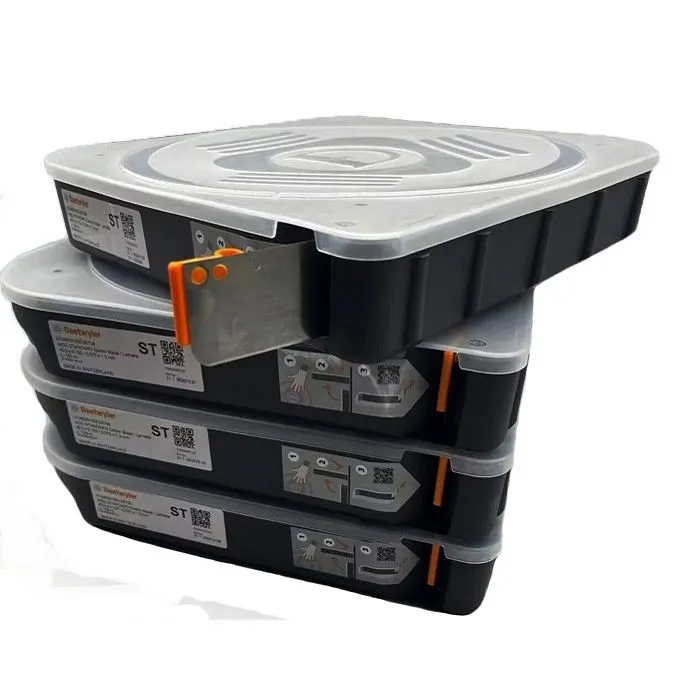
Coated Doctor Blades
Coated doctor blades are made of a base material, such as steel or stainless steel, that is coated with a thin layer of a specialized material, such as ceramic or diamond-like carbon (DLC). The coating provides additional properties and benefits that enhance the performance of the doctor blade. Here are some key characteristics and advantages of coated doctor blades:
1. Precision
Coated doctor blades offer superior precision and performance compared to uncoated doctor blades. The coating provides a smooth and uniform surface that allows for more accurate removal of excess ink or coating. This results in higher-quality prints and coatings with better definition and consistency.
2. Wear Resistance
The coating on coated doctor blades provides excellent wear resistance, which means they can last longer and require less frequent replacement. This is especially important in applications where the doctor blade is in contact with abrasive materials or where high-speed printing and coating processes are used.
3. Corrosion Resistance
Coated doctor blades are more resistant to corrosion than uncoated doctor blades. The coating provides a protective barrier that prevents the base material from coming into contact with corrosive substances, such as inks, coatings, and solvents. This extends the lifespan of the doctor blade and reduces the risk of damage and failure.
4. Chemical Resistance
Coated doctor blades are also more resistant to chemical attack than uncoated doctor blades. The coating provides a barrier that protects the base material from the effects of chemicals, such as acids, alkalis, and solvents. This makes them suitable for use in applications where the doctor blade is exposed to harsh chemicals.
However, coated doctor blades also have some disadvantages. They are generally more expensive than uncoated doctor blades, which can make them less cost-effective for some applications. They may also require more careful handling and maintenance to ensure the integrity of the coating.
Applications of Coated and Uncoated Doctor Blades
The choice between coated and uncoated doctor blades depends on the specific requirements of the application. Here are some common applications where coated and uncoated doctor blades are used:
Uncoated Doctor Blades
- General Printing and Coating Applications: Uncoated doctor blades are commonly used in general printing and coating applications where the requirements for precision and performance are not as high. They are suitable for use with a wide range of inks, coatings, and solvents, and can be used in various printing and coating processes, including flexography, gravure, and offset printing.
- Low-Speed Printing and Coating Processes: Uncoated doctor blades are also suitable for use in low-speed printing and coating processes where the doctor blade is not subjected to high levels of wear and tear. They are a cost-effective solution for applications where budget is a concern.
Coated Doctor Blades
- High-Quality Printing and Coating Applications: Coated doctor blades are commonly used in high-quality printing and coating applications where the requirements for precision and performance are high. They are suitable for use with a wide range of inks, coatings, and solvents, and can be used in various printing and coating processes, including flexography, gravure, and offset printing.
- High-Speed Printing and Coating Processes: Coated doctor blades are also suitable for use in high-speed printing and coating processes where the doctor blade is subjected to high levels of wear and tear. The wear-resistant coating on the doctor blade helps to extend its lifespan and reduce the risk of damage and failure.
- Specialty Printing and Coating Applications: Coated doctor blades are often used in specialty printing and coating applications where the doctor blade is required to perform specific functions, such as metering, wiping, or scraping. The coating on the doctor blade can be customized to provide the specific properties and performance required for the application.
Conclusion
In conclusion, the choice between coated and uncoated doctor blades depends on the specific requirements of the application. Uncoated doctor blades are a cost-effective solution for applications where the requirements for precision and performance are not as high, while coated doctor blades offer superior precision, wear resistance, corrosion resistance, and chemical resistance for applications where high-quality prints and coatings are required. As a Doctor Blade supplier, I can help you choose the right doctor blade for your specific needs and provide you with the support and expertise you need to ensure the success of your printing and coating processes.
If you are interested in learning more about our Doctor Blade products or have any questions about the differences between coated and uncoated doctor blades, please feel free to contact us. We would be happy to discuss your requirements and provide you with a customized solution that meets your needs and budget.
In addition to doctor blades, we also offer a wide range of other consumable products, such as Brush To Metal Anilox Roller and Knurling Tool. These products are designed to work together with our doctor blades to provide you with a complete solution for your printing and coating needs.
References
- Smith, J. (2020). The Basics of Doctor Blades. Printing World Magazine.
- Johnson, A. (2019). Coated vs. Uncoated Doctor Blades: Which is Right for You? Coating Technology Journal.
- Brown, C. (2018). The Importance of Doctor Blades in Printing and Coating Processes. Industrial Printing Review.