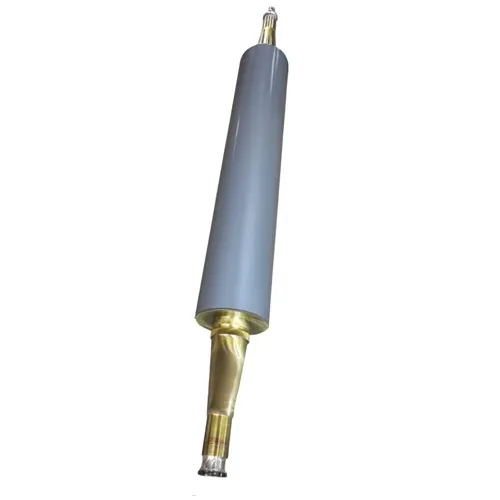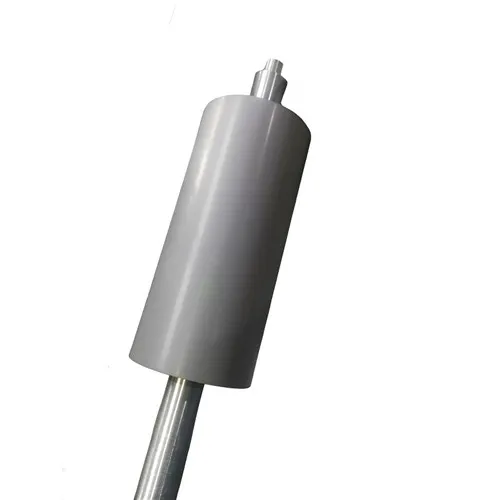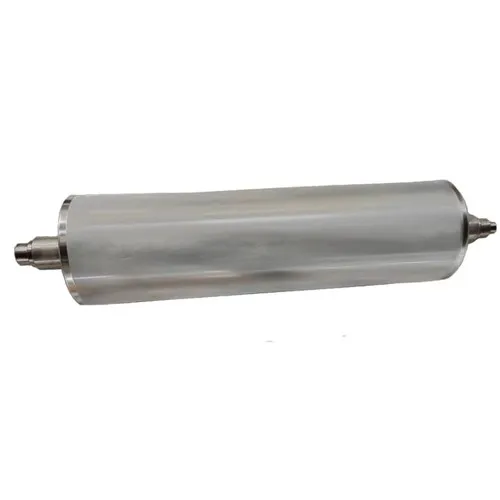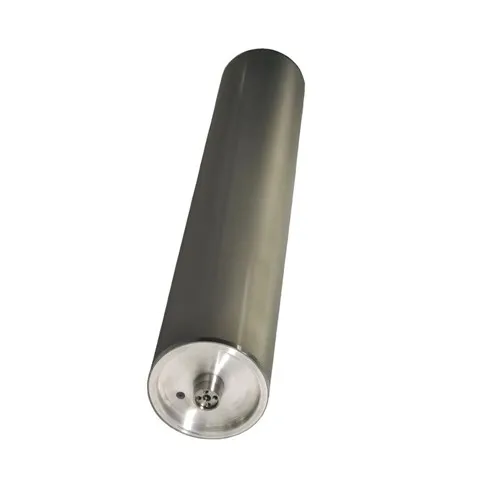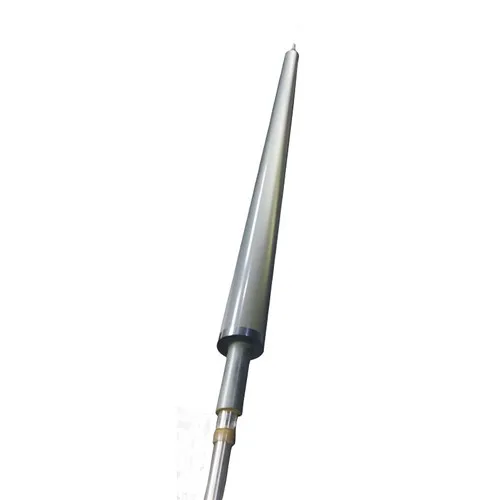
The patterns on embossing rollers are key to giving products their aesthetic texture and functional properties in industrial production. From three-dimensional reliefs on packaging materials to the delicate textures of textile fabrics, and functional patterns in the new energy field, the creation of each pattern relies on precise processing techniques and meticulous attention to detail. As a company specializing in roller manufacturing, Zhangjiagang Kaifa Roller Manufacturing Co., Ltd. understands the importance of pattern processing to the performance of embossing rollers. Below, we break down the entire process of embossing roller pattern design and production.
Pattern Design: Precise Transformation from Needs to Drawings
The first step in embossing roller pattern processing is to translate abstract needs into concrete design solutions. Designers first gain a deep understanding of the application scenarios in downstream industries-for food packaging, the sealing performance and ease of demolding must be considered; for automotive interiors, the wear resistance and visual depth of the pattern must be taken into account; for medical materials, it must be ensured that the pattern does not affect the material's breathability and hygiene standards.
After clarifying the functional requirements, designers will outline the pattern contours, combining aesthetics and technological feasibility. For example, waterproof fabric patterns requiring drainage functions will incorporate sloping groove structures; packaging patterns pursuing decorative effects will emphasize the smoothness of lines and the symmetry of the pattern. After the design is completed, digital technology is used to convert the pattern into precise engineering drawings. The height of every protrusion and the spacing of every stripe must be clearly marked to provide precise guidance for subsequent processing and avoid defects in the finished product due to design deviations.
Substrate Pretreatment: Laying a Solid Foundation for Pattern Processing
High-quality patterns rely on a stable roller substrate. Before pattern processing, the metal roller substrate needs to undergo multiple pretreatments to ensure it meets processing requirements. First, alloy materials with uniform texture and low impurity content are selected, and internal stress is eliminated through processes such as forging and annealing-this step prevents deformation of the roller due to stress release during subsequent processing or use, ensuring that the pattern is not prone to cracking or falling off after forming.