


Can Aluminium - based Anilox Sleeves be used in textile printing?
As a supplier of Aluminium - based Anilox Sleeves, I am often asked whether these sleeves can be effectively used in textile printing. In this blog post, I will delve into the characteristics of Aluminium - based Anilox Sleeves and explore their potential applications in the textile printing industry.
Understanding Aluminium - based Anilox Sleeves
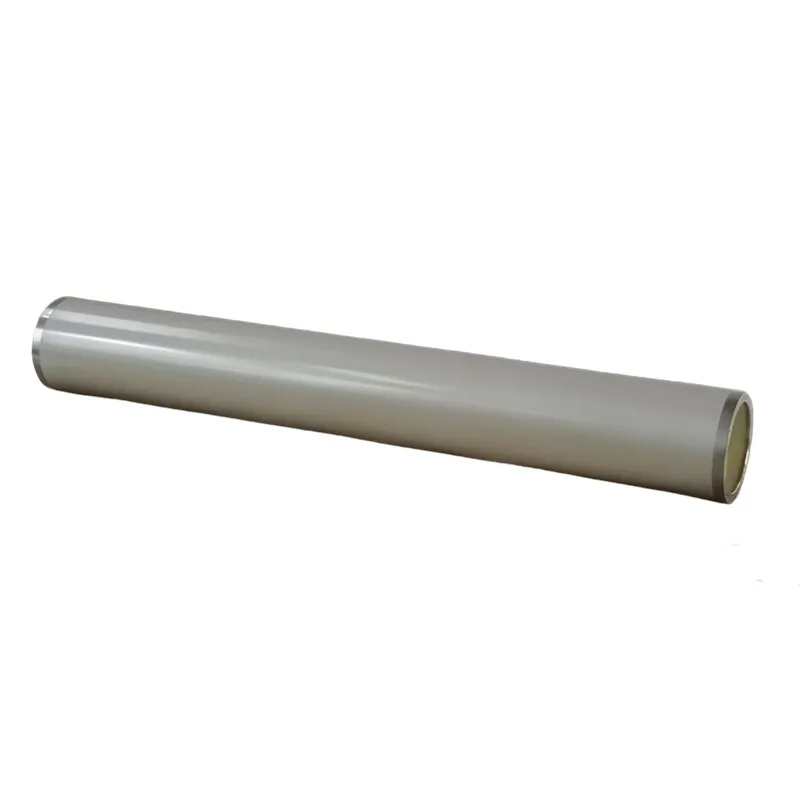
Aluminium - based Anilox Sleeves are a type of anilox product that has gained significant attention in recent years. These sleeves are made with an aluminium base, which offers several unique properties. Aluminium is a lightweight metal, making the Aluminium-based Anilox Sleeve easy to handle and install. This is a crucial advantage in a printing environment where quick changeovers and efficient operations are essential.
The surface of Aluminium - based Anilox Sleeves can be precisely engineered to have a specific cell structure. The cells on the sleeve's surface are responsible for holding and transferring the ink or dye to the printing substrate. The size, shape, and density of these cells can be customized according to the specific requirements of the printing job. This allows for a high degree of control over the amount of ink or dye applied, which is vital for achieving consistent and high - quality prints.
Advantages of Aluminium - based Anilox Sleeves in Textile Printing
1. Lightweight and Easy to Handle
In textile printing, the ability to quickly change sleeves is often necessary to accommodate different designs or colors. The lightweight nature of Light Weight Anilox Sleeve makes it easier for operators to handle and replace the sleeves. This reduces the downtime between printing jobs, increasing overall productivity. For example, in a high - volume textile printing facility, where multiple designs are printed throughout the day, the ease of handling Aluminium - based Anilox Sleeves can significantly improve the efficiency of the production process.
2. Excellent Ink Transfer
The precise cell structure of Aluminium - based Anilox Sleeves ensures accurate and consistent ink transfer. In textile printing, this is crucial for achieving sharp and vivid prints. The cells can be designed to hold the appropriate amount of ink or dye, preventing over - or under - application. This results in a more uniform color distribution and better print quality. Whether it is a delicate floral pattern or a bold geometric design, the Aluminium - based Anilox Sleeves can help reproduce the design with high fidelity.
3. Durability
Aluminium is a relatively durable material, and Aluminium - based Anilox Sleeves can withstand the rigors of the textile printing process. They are resistant to wear and tear, which means they can be used for a longer period without significant degradation. This reduces the frequency of sleeve replacements, saving costs in the long run. Additionally, the durability of these sleeves ensures that the print quality remains consistent over time.
4. Compatibility with Different Inks and Dyes
Textile printing uses a wide range of inks and dyes, including water - based, solvent - based, and reactive dyes. Aluminium - based Anilox Sleeves are compatible with most of these types of inks and dyes. This versatility makes them a suitable choice for various textile printing applications, from traditional screen printing to digital textile printing.
Challenges and Considerations
While Aluminium - based Anilox Sleeves offer many advantages in textile printing, there are also some challenges and considerations that need to be addressed.

1. Surface Hardness
Compared to some other materials used in anilox sleeves, such as ceramic, aluminium has a relatively lower surface hardness. This means that the sleeves may be more prone to scratching or damage during the printing process. However, with proper handling and maintenance, this issue can be minimized. For example, using high - quality cleaning agents and avoiding contact with abrasive materials can help protect the surface of the sleeves.
2. Chemical Resistance
Some textile printing inks and dyes may contain chemicals that can react with aluminium. This can lead to corrosion or discoloration of the sleeves. It is important to ensure that the inks and dyes used are compatible with Aluminium - based Anilox Sleeves. Before using a new ink or dye, it is advisable to conduct a small - scale test to check for any adverse reactions.
3. Cost
Aluminium - based Anilox Sleeves may have a higher initial cost compared to some other types of anilox products. However, when considering the long - term benefits, such as durability and improved print quality, the cost - effectiveness of these sleeves becomes more apparent. Additionally, as the technology for manufacturing Aluminium - based Anilox Sleeves continues to improve, the cost is likely to become more competitive.
Applications in Textile Printing
Aluminium - based Anilox Sleeves can be used in a variety of textile printing applications.
1. Screen Printing
In screen printing, Aluminium - based Anilox Sleeves can be used to transfer the ink through the screen onto the textile. The precise ink transfer capabilities of these sleeves ensure that the screen design is accurately reproduced on the fabric. This is particularly useful for printing detailed patterns or large - scale designs.
2. Digital Textile Printing
In digital textile printing, Aluminium - based Anilox Sleeves can be used in combination with digital printing heads. The sleeves can help to control the amount of ink or dye applied to the fabric, improving the print quality and reducing the risk of ink bleeding. This is especially important for high - resolution digital prints.
3. Roller Printing
Roller printing is another common textile printing method where Aluminium - based Anilox Sleeves can be used. The sleeves can be mounted on the printing rollers, and the ink or dye is transferred from the sleeves to the fabric as the rollers rotate. The lightweight nature of the sleeves makes them easy to install and replace on the rollers, improving the efficiency of the roller printing process.
Comparison with Other Anilox Sleeve Materials
There are other types of anilox sleeves available in the market, such as Composite Material Anilox Sleeve and ceramic sleeves. Each material has its own advantages and disadvantages.
1. Composite Material Anilox Sleeves
Composite material anilox sleeves are often made of a combination of different materials. They offer a good balance between cost and performance. However, compared to Aluminium - based Anilox Sleeves, they may not be as lightweight or have the same level of precision in ink transfer.
2. Ceramic Sleeves
Ceramic sleeves are known for their high surface hardness and excellent chemical resistance. They are often used in high - end printing applications where the highest print quality is required. However, ceramic sleeves are generally more expensive and heavier than Aluminium - based Anilox Sleeves.
Conclusion
In conclusion, Aluminium - based Anilox Sleeves can be effectively used in textile printing. Their lightweight nature, excellent ink transfer capabilities, durability, and compatibility with different inks and dyes make them a viable option for various textile printing applications. While there are some challenges and considerations, such as surface hardness and chemical resistance, these can be managed with proper handling and maintenance.
If you are interested in exploring the use of Aluminium - based Anilox Sleeves in your textile printing operations, I encourage you to contact us for further information and to discuss your specific requirements. We are committed to providing high - quality Aluminium - based Anilox Sleeves and excellent customer service.
References
- "Textile Printing Technology" by John Smith
- "Anilox Sleeve Applications in the Printing Industry" by Mary Johnson
- "Advances in Aluminium - based Materials for Printing" by David Brown