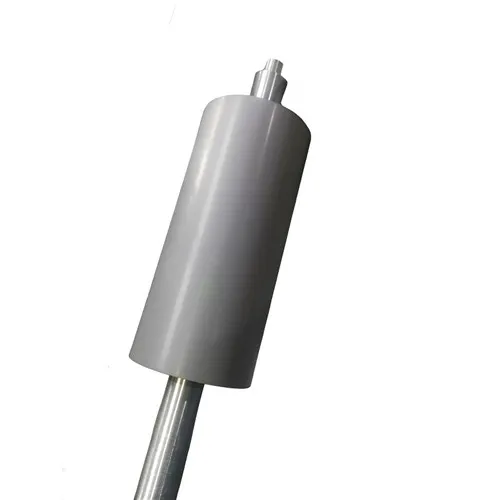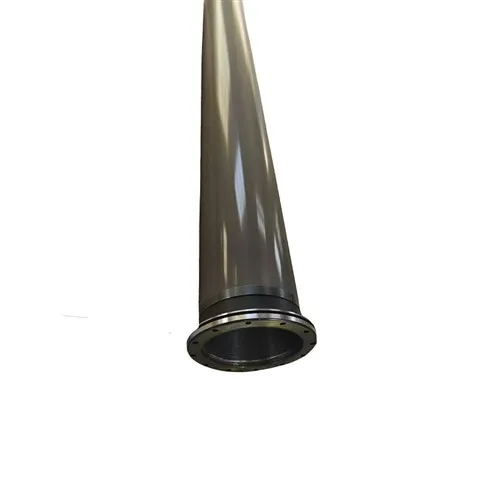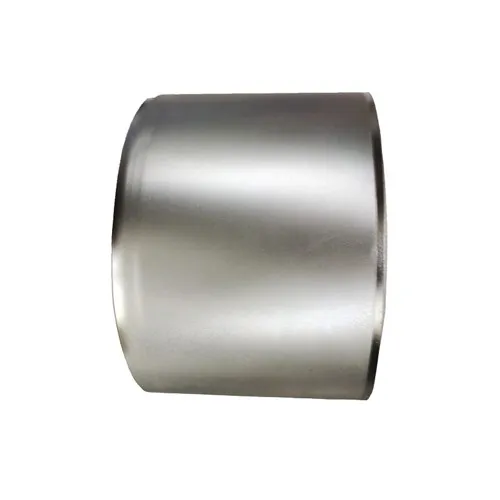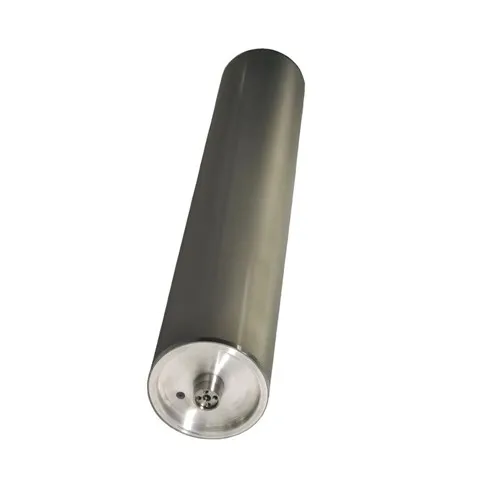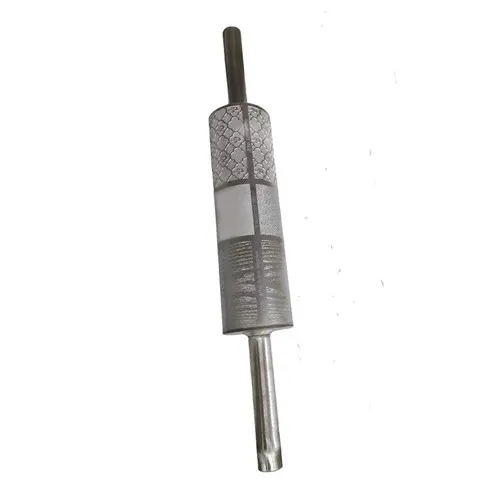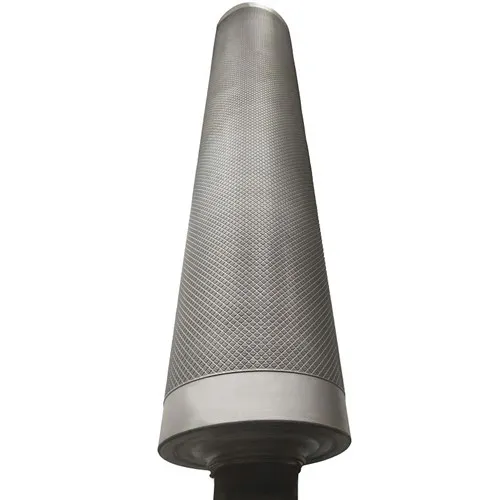




Embossing rollers, a common type of roller product, have wide applications in many fields. They can effectively emboss patterns on various materials such as plastic sheets, films, aluminum foil, leather, rigid boards, wallpaper, floor tiles, glass, and paper. This function not only significantly enhances the aesthetic appearance of products but also provides strong support for anti-counterfeiting and trademark protection.
Heating steel to a specific temperature and holding it at that temperature for a period of time, followed by slow cooling, is called annealing. The purpose of annealing is to eliminate structural defects in the steel, improve its compositional uniformity, refine the grains, and enhance the mechanical properties of the steel, while reducing residual stress. Furthermore, annealing can reduce the hardness of the steel, improve its plasticity and toughness, and thus optimize its machinability.
Reheating quenched steel to a certain temperature and then cooling it using a specific method is called tempering. The purpose of tempering is to eliminate the internal stress generated during quenching, thereby reducing the hardness and brittleness of the steel to obtain the desired mechanical properties. Tempering can be categorized into three types: high-temperature tempering, medium-temperature tempering, and low-temperature tempering, and is often used in conjunction with quenching and normalizing processes.
Quenching and tempering is a special heat treatment method involving a high-temperature tempering step after quenching. Specifically, high-temperature tempering is carried out within a temperature range of 500-650℃. Through quenching and tempering, the properties and material composition of steel can be significantly adjusted, resulting in excellent strength, plasticity, and toughness, thus possessing good comprehensive mechanical properties.
The manufacturing process of embossing rollers is quite intricate, involving various processing techniques such as hand engraving and sandblasting. As a result, embossing rollers exhibit many outstanding qualities; their patterns are unique, clear, and exquisite, adding a high degree of aesthetic appeal to the product.